
If an adult tooth has been knocked out, find it, pick it up by the white part you normally see and get to a dentist or hospital as quickly as you can, ideally within 30 minutes. Healthdirect says there's a good chance the tooth can be saved, and that it may still be possible to save it up to 2 hours after the injury. Read healthdirect's dental injury guidance.
This guide covers the first steps while you arrange care at On Point Dental Floreat. It doesn't replace an examination, and the dentist who sees you will explain what they find. For our urgent-care details, see the Floreat emergency dentist page.
Should I call an ambulance or a dentist first?
Call triple zero (000) or go straight to the emergency department if the person is having trouble breathing, talking or swallowing, if a lot of blood is going down the throat, or if the mouth or tongue is very swollen. That is healthdirect's advice on when to seek urgent care.
If none of those apply, phone a dentist straight away and ask for an emergency appointment. Our Floreat emergency page asks you to call (08) 9387 1036 as soon as you can and tell reception what has happened. If Floreat is closed, the same page notes that our Fremantle clinic is open until 10pm on Monday, Tuesday, Saturday and Sunday on (08) 9430 4181. Our guide to what to say when you call about a toothache after hours may also help you prepare for that call.
How should I handle the tooth?
Healthdirect's first-aid steps for a lost adult tooth are:
- Hold the tooth by the crown, the white part you see in your mouth. Don't touch the root, because the cells attached to it are needed for healing.
- If the tooth is dirty, rinse it quickly in warm water. Don't scrub it or soak it.
- If you can, place it back in the gum and gently bite down on a clean piece of cloth.
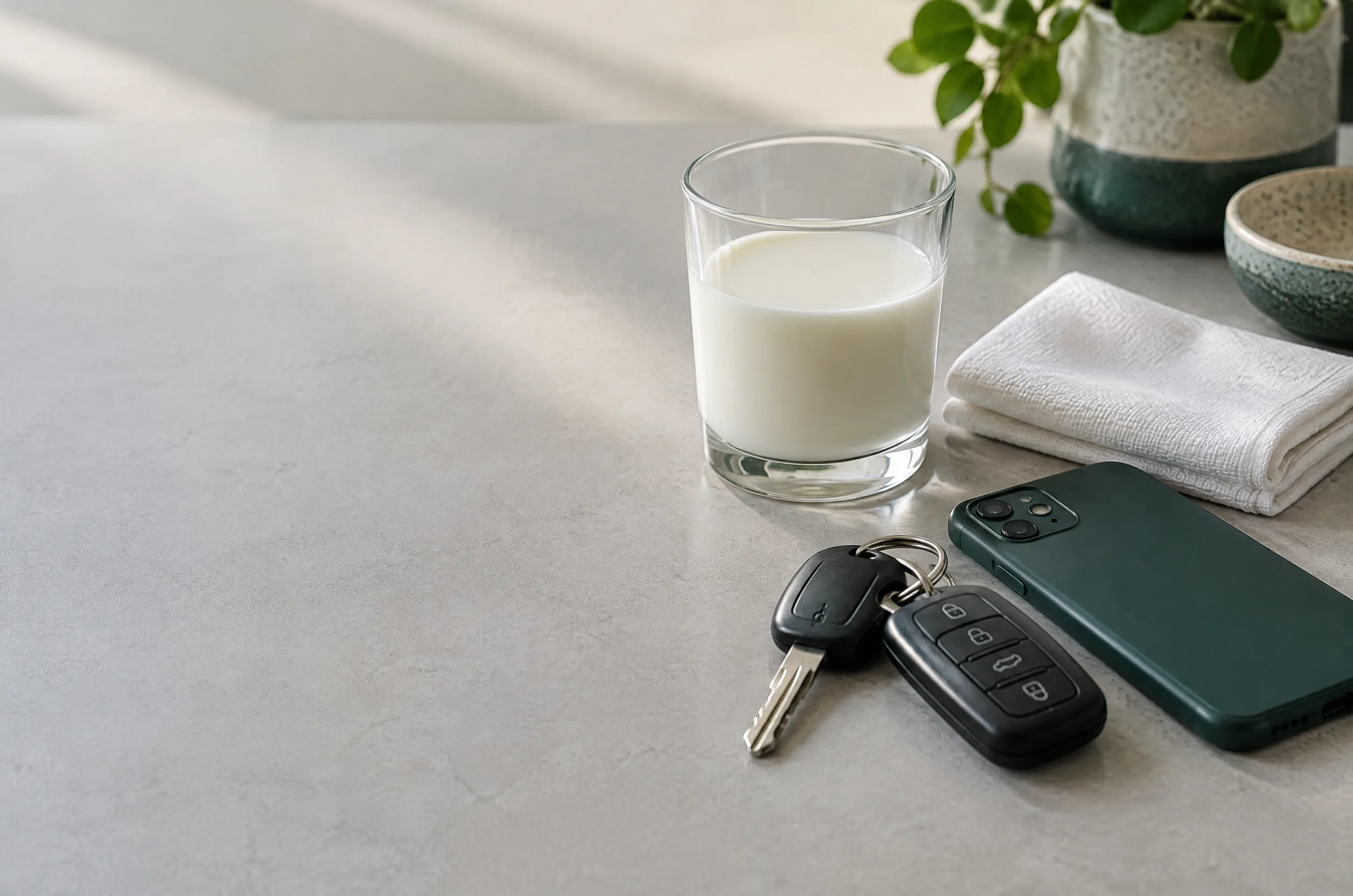
- If you can't put it back, store it in a little milk or saliva so it doesn't dry out.
If the tooth is back in place but wobbling, healthdirect suggests a small piece of aluminium foil over it can help keep it in place while you travel to the dentist. See the full first-aid steps.
What if it's a child's baby tooth?
Don't try to put a baby tooth back in. Healthdirect advises rinsing your child's mouth with salt water, applying an ice pack if their mouth is swollen, and going to your dentist. Their gum will heal over time and an adult tooth should grow in its place. If you're not sure which kind of tooth it is, say so when you call the clinic.
What can I do about bleeding, swelling and pain on the way?
Healthdirect suggests pressing a clean towel or dressing on the area to help stop bleeding, and holding a cold compress, such as an ice pack wrapped in a cloth, against the side of the face for swelling. Simple pain relief such as paracetamol can be taken if needed. Avoid high doses of aspirin, which could increase bleeding, and don't give aspirin to a child under 12 unless their doctor tells you to. Read healthdirect's self-care advice.
What happens when I get to the clinic?
The dentist will examine your teeth and may ask about any pain and your dental history, and take an X-ray, as healthdirect describes. Treatment depends on the injury. When an adult tooth is put back, healthdirect notes there is a high chance it will need root canal therapy in the future. A loose or displaced tooth may need to be stabilised, for example with a splint or by bonding it to the next tooth, while your mouth heals. If a damaged tooth can't be saved, your dentist will discuss the options with you.
At Floreat, your dentist assesses the problem and explains your options before treating it. Every treatment carries risks, and you may seek a second opinion at any time, as our Floreat emergency page notes.
What should I watch for afterwards?
Healthdirect advises contacting your dentist or doctor if you notice swollen glands in the neck, a fever over 38°C, pus coming from the injury, a bad taste in your mouth, or nausea or vomiting. Keep your mouth clean, eat soft foods while you recover and follow your dentist's advice on mouth care.
How can I lower the chance of another dental injury?
For sports such as football, basketball, squash and hockey, and activities such as skateboarding, trampolining and boxing, healthdirect recommends a fitted mouthguard custom-made by your dentist. Mouthguards that show signs of wear or damage need replacing. Ask your dentist for advice about preventing dental injuries at your next visit.
Where is the Floreat clinic?
On Point Dental Floreat is at 446 Cambridge St, Floreat WA 6014, and is open seven days. Check the Floreat location page for hours and parking, or arrange an appointment and specify Floreat. You can also read about Jeetash Kumar, our principal dentist. If you have a cold-sensitive tooth rather than an injury, see what to note before your Floreat appointment.
Sources and scope
Sources checked on 16 November 2026. General first-aid and appointment information, not a diagnosis or an individual treatment plan. Authorship does not indicate a separate clinician review.
- Healthdirect — Dental injury (last reviewed February 2026): urgent care, first aid for lost teeth, self-care, treatment and warning signs.
- On Point Dental — Emergency dentist in Floreat: how to contact the clinic, assessment and Fremantle after-hours times.
- On Point Dental — Floreat location: address, opening days and parking.
- On Point Dental — Jeetash Kumar's profile: author identity and role.
