Implant Dentures in Fremantle For Tooth Replacement
Implant dentures in Fremantle are anchored securely to dental implants, offering a tooth-replacement option that may provide enhanced stability, function, and daily comfort.
What we do?
Understanding How Implant Dentures May Support Oral Health and Offer Improved Comfort for Many Patients
Missing multiple teeth can affect your ability to eat, speak, and feel comfortable in social situations.
Implant-supported dentures offer a tooth-replacement approach that may provide greater stability than traditional options. These dentures attach securely to dental implants placed in your jawbone, creating a firmer foundation for your replacement teeth. The implant dentures procedure involves placing titanium posts into the bone, which integrate over time before the dentures are attached.
At On Point Dental, we will discuss this option during an implant dentures consultation, where we assess your oral health and explain each step. Whether you’re considering tooth replacement for the first time or exploring alternatives to removable dentures, our dental team provides clear, tailored information.
RIGHT CANDIDATE
Are You a Candidate for Implant Dentures?
Implant dentures may be suitable if you have multiple missing teeth or currently wear traditional dentures and seek a more stable option. Your candidacy depends on factors such as jawbone density, overall oral health, and general health conditions. During your consultation, we’ll conduct a thorough examination and may use imaging to assess your bone structure.
Some patients may require preparatory procedures before implant placement. We’ll discuss any necessary steps and provide clear information about your care pathway.
Benefits
Explore the Advantages of Implant Dentures
Implant dentures may offer improved stability during eating and speaking, helping you feel more comfortable in daily activities. Because the dentures attach to implants anchored in the jawbone, they stay in place more reliably than removable dentures that rest on the gums.
Additionally, implant dentures may help support jawbone health over time for some patients, as the implants can stimulate bone in a way similar to natural tooth roots. Individual outcomes vary.
OUR SMILE GALLERY
Examples of Our Dental Work
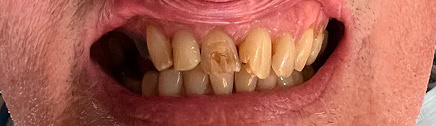
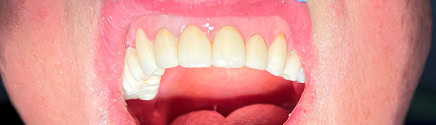
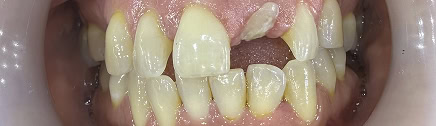
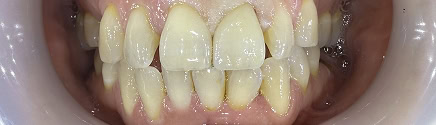
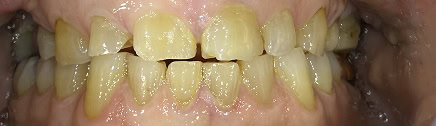
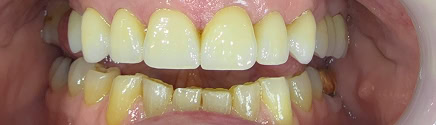
These images show examples of dental treatments completed at our clinic, demonstrating the range of care we provide for our patients.
Disclaimer: Individual results may vary. Images used with written patient consent. The referenced procedure is the only visible change in each image pair. Any surgical or invasive procedure carries risks. Before proceeding, you should seek a second opinion from an appropriately qualified health practitioner.
ABOUT OUR RESTORATIVE DENTISTRY SERVICES
Our Restorative Dentistry Services
Restoring damaged or missing teeth involves careful assessment, appropriate materials, and detailed planning. The features of our restorative dentistry services include:
Dental Restorative Techniques
Our clinic utilises current restorative dentistry techniques and appropriate materials for procedures such as dental crowns, bridges, implants, and dentures. We invest in technology that supports accurate diagnosis and treatment planning, helping to achieve functional and aesthetic outcomes. Our dentists maintain their skills through continuing professional development in restorative procedures and material science.
Dental Implants Completed In-House
We provide dental implant treatments at our Fremantle clinic from initial consultation through to final restoration. This in-house approach means consistent care from familiar practitioners who understand your dental history, streamlined communication throughout the treatment process, and coordinated timing between surgical and restorative phases of your implant procedure.
Flexible Ways to Manage Costs
We believe quality restorative dentistry should be accessible, which is why we work as HBF and NIB preferred providers and accept all major health funds to maximise your benefits. For treatments not fully covered by health funds, we offer payment plans with flexible terms, interest-free options, and quick approval, so you can proceed with the necessary restorative work.
New Patient Offer
$299
Dental Package Available for New Patients: Complete Preventive Care Services in One Appointment
HEALTH FUNDS & PAYMENT OPTIONS
Quality Dental Care That Fits Your Budget
We work with major health funds and offer flexible payment options to help make dental care more accessible and manageable for our patients.
HBF Member Plus Preferred Provider
- Eligible HBF Member Plus members may receive reduced gap payments on many dental services, subject to your level of cover and individual policy terms.
- We process your health fund claim on the spot, and you’ll pay only the gap amount.
- Our team can check your cover and provide an estimate of your out-of-pocket costs before treatment begins.
- Being a preferred provider means we meet HBF's quality and service standards.
- HBF Member Plus preferred provider status allows eligible members to access reduced payments. Terms and conditions apply.
NIB First Choice Preferred Provider
- NIB First Choice members may receive higher benefits and lower gap payments when they visit our clinic, subject to their level of cover and individual policy terms.
- We submit your claim directly to NIB, making the process straightforward and reducing paperwork for you.
- Our reception team can explain your NIB benefits and help you understand what's included in your cover.
- We're committed to transparent pricing, so you'll know your expected costs before we start any treatment.
Flexible Payment Plans Available
Fund My Dental
YOUR FIRST VISIT
What to Expect When You Visit On Point Dental
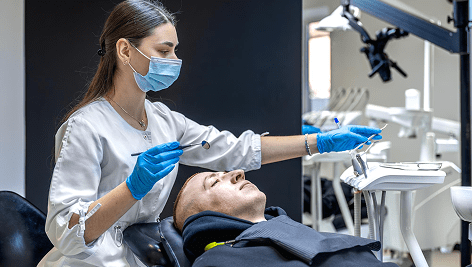
Our first appointment process is designed to be clear and thorough, allowing us to assess your oral health and discuss your treatment options in a relaxed, supportive environment.
Schedule Your Visit
Contact our friendly reception team by phone or through our online booking system to arrange your first appointment. We’ll find a time that suits your schedule and answer any initial questions you might have about your visit.

We Check: Teeth, gums, jaw joints, oral cancer screening, bite alignment, existing dental work
Fill Out Your Patient Forms
During your appointment, you’ll complete a health history form that helps us understand your medical background, current medications, and any dental concerns. This information allows us to provide care that’s appropriate for your individual circumstances.
What to Bring: Health fund card, Medicare card (if applicable), list of current medications
Detailed Oral Assessment
During your first visit, your dentist will conduct a thorough examination of your teeth, gums, and oral structures. This may include digital X-rays if needed to assess areas not visible during the visual examination, giving us a complete picture of your oral health.
We Check: Teeth, gums, jaw joints, oral cancer screening, bite alignment, existing dental work
Treatment Plan Discussion
Your dentist will discuss their findings with you and explain any areas of concern. If treatment is needed, we’ll talk through your options, answer your questions, and provide clear information about what each approach involves so you can make educated decisions about your dental care.
Transparent Pricing: All costs explained upfront, payment plans available, health fund rebates calculated.
Begin Your Dental Care
Once we’ve agreed on a treatment approach, we can often start addressing your dental needs at the same appointment for straightforward procedures. For more complex treatments, we’ll schedule follow-up appointments and provide you with the information you need to prepare.
Ongoing Care: Regular check-ups every 6 months, reminders sent, family appointments coordinated
THE TEAM
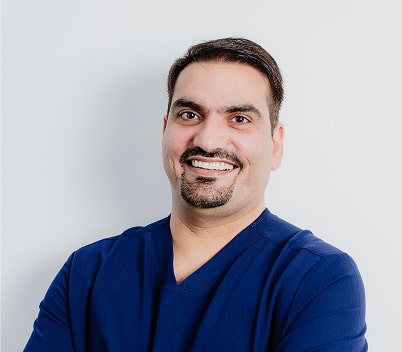
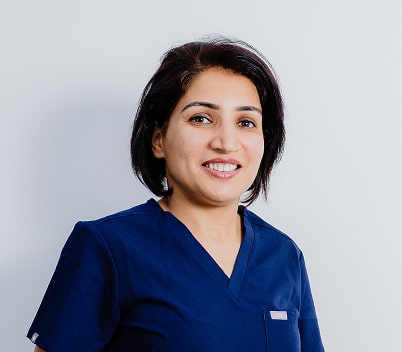
Our Dental Team - Our Qualified Dentists and Support Staff
Our dental team bring diverse training and experience to provide quality care, and they’re supported by our skilled dental assistants and administrative team, who help make your visit run smoothly.
Credentials
Credentials
Credentials
Special Interests
Dr Ahlawat is a certified Invisalign provider with experience across multiple countries, offering cosmetic dentistry, orthodontic treatment, and supportive care for patients who feel anxious about dental visits.
Credentials
FAQ
Frequently Asked Questions
Common questions about implant dentures in Fremantle are addressed below to help you better understand this option and decide whether it might suit your needs.
What are implant dentures?
Implant dentures are a type of tooth replacement that combines dental implants with a denture prosthesis. Rather than sitting directly on your gums like traditional dentures, they attach to dental implants placed surgically in your jawbone.
The implants act as stable anchors. Depending on the design, the denture may snap onto these implants and be removed daily for cleaning, or it may be secured in place by your dentist.
How do implant dentures stay in place?
Implant dentures remain secure through their connection to dental implants integrated into your jawbone. For removable types, specific attachments on the denture snap onto corresponding components on the implants, similar to how a press stud works on clothing.
These attachments typically create a strong connection that may resist movement during eating and speaking for many patients. Implant dentures are attached to the implants by your dentist using screws or cement—you cannot alter them at home.
How are implant dentures different from traditional dentures?
Traditional Dentures | Implant Dentures |
Rest entirely on gum tissue | Attach to implants in the jawbone |

Held by suction or adhesive | Anchored to stable implant posts |
May slip during eating/speaking | May offer improved stability for some patients |
Don’t prevent bone loss | May help maintain bone density in some cases |
Require frequent adjustments | May require less adjustment over time for many patients |
Lower initial cost | Higher initial investment |
No surgery required | Requires surgical implant placement |
The main trade-offs are that implant dentures require surgery, take longer to complete, and cost more initially. The choice depends on your clinical suitability as assessed by your dentist, your priorities, and your budget.
Can you get implant dentures if you already have dentures?
Many patients who currently wear traditional removable dentures can transition to implant dentures. People frustrated with the instability or discomfort of conventional dentures are often good candidates.
Your dentist will assess whether your current dentures can be modified to work with implants or whether new dentures are needed. Sometimes existing dentures can be converted to snap onto implants, which may reduce cost.
However, candidacy still depends on your bone structure. If you’ve worn traditional dentures for many years, you may have experienced bone loss that affects implant placement. Your dentist will evaluate this through examination and imaging.
What should be considered before choosing implant dentures?
Important factors to consider include the following:
- Time commitment: The complete procedure typically takes several months from start to finish and requires multiple appointments.
- Cost: Implant dentures represent a substantial investment compared to traditional dentures due to the surgical and restorative components involved.
- Surgery: Implant placement requires oral surgery and a healing period before the dentures can be attached.
- Maintenance: Long-term care requires diligent daily cleaning and regular dental visits to maintain the health of your implants.
- Health factors: Certain medical conditions or medications may affect implant outcomes and healing; we’ll assess them during consultation.
- Personal goals: Consider what matters most to you in tooth replacement, such as stability, appearance, or long-term function.
Understanding these factors helps you have realistic expectations and prepare for what care involves.
How is candidacy for implant dentures assessed?
When assessing candidacy for implant dentures in Fremantle, your dentist evaluates multiple factors to determine whether the implant procedure is likely to succeed:
- Clinical examination: Your dentist assesses your gums, remaining teeth, bite alignment, and overall oral health.
- Diagnostic imaging: X-rays or CT scans are used to evaluate bone quality, height, and density in the areas where implants may be placed.
- Medical history review: Your dentist reviews medical conditions and medications that may affect healing, such as diabetes or medications that affect bone health.
- Lifestyle factors: Your dentist considers habits such as smoking, which can affect implant longevity, and discusses how these factors may affect treatment outcomes.
- Commitment assessment: Your dentist discusses your willingness to maintain implants through proper hygiene, including daily cleaning and regular dental visits.
- Goals discussion: Your dentist works with you so your expectations align with achievable outcomes based on your individual circumstances.
This comprehensive evaluation helps you and your dentist determine whether proceeding with care is appropriate.
What steps are involved in getting implant dentures?
The implant dentures procedure follows these phases:
- Consultation and assessment: Your dentist conducts an examination, takes imaging, and develops a procedure plan tailored to your needs.
- Preparatory procedures (if needed): Your dentist may perform tooth extractions or bone grafting if required to prepare your jaw for implants.
- Implant placement surgery: Your dentist surgically positions titanium implants into the jawbone at specific locations to support your dentures.
- Healing period: The implants integrate with the bone over several months, a process that makes them stable and secure.
- Abutment placement: Your dentist attaches connector pieces to the implants, which will hold your dentures in place.
- Denture creation: Your dentist takes impressions and works with a dental laboratory to custom-design and fabricate your prosthesis.
- Final placement: Your dentist attaches the completed denture to the implants and checks the fit and function.
- Follow-up adjustments: Your dentist fine-tunes your dentures for optimal comfort and function as you adapt to them.
Each phase is important for achieving the proper results. Your dentist will guide you through the process and keep you informed about what to expect.
How long does it take to complete implant denture treatment?
The complete timeline typically ranges from three to six months, though individual cases vary significantly depending on healing, bone quality, and care complexity.
Factors that influence the timeline:
- Whether preparatory procedures like extractions or bone grafting are needed
- How quickly your body heals after implant placement
- The time required for osseointegration (usually 3-6 months)
- The complexity of creating your custom denture
- Whether any complications arise during the procedure.
While several months may seem long, much of this time involves background healing that doesn’t require frequent appointments. The goal is to allow adequate integration, so your implant dentures function well for many years.
What happens during an implant denture consultation?
Your implant dentures consultation typically includes the following:
- Discussion: Your dentist asks about your dental history, goals, and concerns
- Examination: Thorough evaluation of your mouth, gums, and remaining teeth
- Imaging: X-rays or CT scans to assess bone structure
- Medical review: Discussion of health conditions and medications
- Candidacy assessment: Evaluation of whether implant dentures suit your situation
- Procedure explanation: Information about the process, timeline, and what to expect
- Cost discussion: Estimates and payment options
- Question time: Opportunity to address all your concerns
There’s no pressure to make immediate decisions. The consultation is an opportunity for both you and your dentist to gather information.
What is the recovery period after implant denture surgery?
Initial recovery expectations:
- First few days: You may experience swelling, bruising, and mild discomfort at the implant sites during this period.
- First week: You’ll need to follow a soft food diet and maintain careful oral hygiene as directed by your dentist.
- First 1-2 weeks: You can expect a gradual reduction in swelling and discomfort as your mouth heals.
- Return to activities: Most people can resume normal routines within 2-3 days, though recovery times vary based on factors such as overall health.
Recovery guidelines:
- Apply ice packs during the first 48 hours to help manage swelling
- Take prescribed pain medication as directed
- Avoid strenuous physical activity for about one week
- Follow your dentist’s cleaning instructions carefully
- Attend follow-up appointments to monitor healing
While initial healing occurs within the first couple of weeks, the crucial osseointegration process takes several months. You won’t feel this happening, but it’s essential for long-term implant stability.
Can you sleep with implant dentures in?
For removable implant dentures:
You technically can sleep with them in place because they’re securely attached. However, many dentists recommend removing them at night to give your gum tissue time to rest and to allow thorough cleaning.
Removing dentures at night may help reduce bacterial buildup and lower the risk of gum inflammation around your implants. Some patients prefer to sleep with them in because they feel more comfortable having teeth in place at all times. Discuss your preferences with your dentist for personalised recommendations.
For long-term implant dentures:
Your dentist attaches these dentures, and you cannot alter them yourself. You wear them continuously, including during sleep. You clean them in place just as you would natural teeth.
What are the disadvantages or risks of implant-supported dentures?
Potential disadvantages:
- Cost: Implant dentures represent a substantial financial investment compared to traditional dentures due to the surgical and restorative components involved.
- Surgery required: The procedure involves oral surgery, which carries inherent risks, including infection, nerve damage, or implant failure.
- Lengthy timeline: The complete care process takes several months from start to finish and requires patience and multiple appointments.
- Not for everyone: Insufficient bone density or certain health conditions may prevent candidacy or require additional preparatory procedures.
- Maintenance demands: Implant dentures require diligent daily care and regular dental visits to maintain the health of your implants and surrounding tissues.
- Possible implant failure: Implants may not integrate with the bone as expected or may fail for various reasons.
Risks to be aware of:
- Infection may develop at surgical sites if proper hygiene is not maintained during the healing period.
- Damage to surrounding structures, like nerves or sinuses, can occur during implant placement surgery.
- Bleeding during or after surgery may occur.
- Implants may fail to integrate with bone if healing is compromised by factors like smoking or certain medical conditions.
- Peri-implantitis, inflammation around implants, can develop if hygiene is neglected over time.
Understanding these potential disadvantages alongside the benefits helps you weigh whether implant dentures align with your priorities and circumstances. Your dentist will discuss how these factors apply to your specific situation during the consultation.