
Cosmetic Dentistry
Understanding Full-Mouth Rehabilitation in Fremantle
Full-mouth rehabilitation in Fremantle involves comprehensive treatment that may help address oral function, comfort, and appearance when multiple dental concerns require coordinated care.

What we do?
Coordinated Treatment Approaches That May Help Support Function in Complex Dental Cases
Full-mouth rehabilitation involves a coordinated approach where multiple dental treatments are planned together to address complex concerns, support oral function, and help restore comfort across different areas of the mouth.
This approach begins with a detailed assessment of your teeth, gums, bite, and jaw function to understand how various issues may be connected. Your dentist considers factors such as tooth wear, missing teeth, restorations requiring replacement, and gum health to determine which treatments may be appropriate. By planning these elements together, the aim is to support stability and function.
Treatment may include crowns, bridges, implants, or periodontal therapy, depending on clinical needs. These components are scheduled in stages to support healing, with each step aligned with the overall treatment plan. Outcomes vary based on individual oral health conditions and response to care.

RIGHT CANDIDATE
Is Full Mouth Rehabilitation Appropriate for Your Situation?
Full-mouth rehabilitation may be considered when multiple dental issues affect the comfort, function, or stability of your bite. Treatment suitability depends on factors such as tooth wear, missing teeth, gum health, and how your jaw functions during everyday activities.
Your dentist can discuss whether this approach may be suitable after a comprehensive assessment, diagnostic imaging, and discussion of your goals. Recommendations will vary based on your unique oral health needs.
Benefits
What Full Mouth Rehabilitation May Offer for Complex Cases
Full-mouth rehabilitation involves coordinating restorative care to address multiple dental concerns based on individual clinical needs. Treatment may focus on tooth structure, bite alignment, and damaged areas to support everyday function, such as chewing and speaking.
Planning considers long-term oral health, existing restorations, and functional stability. Results vary between patients, and all procedures carry risks. A second opinion from an appropriately qualified health practitioner is recommended before treatment.
Examples of Our Dental Work
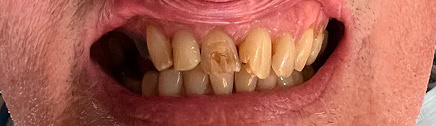
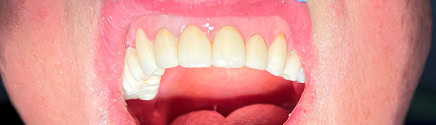
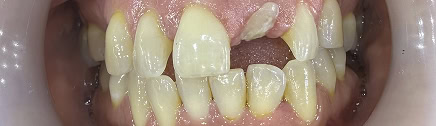
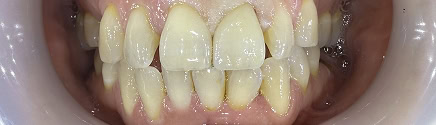
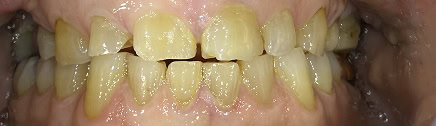
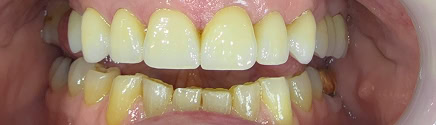
These images show examples of dental treatments completed at our clinic, demonstrating the range of care we provide for our patients.
Disclaimer: Individual results may vary. Images used with written patient consent. The referenced procedure is the only visible change in each image pair. Any surgical or invasive procedure carries risks. Before proceeding, you should seek a second opinion from an appropriately qualified health practitioner.
COSMETIC DENTISTRY AT ON POINT DENTAL
Our Approach to Cosmetic Dental Treatments
Cosmetic dental treatment is a significant decision that requires careful consideration and thorough consultation. Here’s what we provide for cosmetic dental treatments at On Point Dental.
Personalised Treatment Planning
We take time to understand your goals and assess your oral health before recommending cosmetic options. Using digital tools to help visualise treatment options, we provide information to support your decision-making. Plans are developed based on your individual circumstances and budget, with consideration of both functional and aesthetic factors during the assessment process.
Cosmetic Dental Treatments Available
We offer cosmetic treatments including whitening, veneers, crowns and Invisalign. Having these options available in one clinic supports coordinated planning when more than one procedure is needed. This approach helps maintain consistency across each stage of care, allowing your cosmetic treatment to progress in a familiar setting with practitioners who already understand your overall oral health.
Flexible Payment Options Available
To support accessibility, we offer payment plan options to help make cosmetic treatments more accessible. Payment plans are provided through third-party finance providers and are subject to credit assessment and approval. Terms and conditions apply, including eligibility requirements, interest-free periods (where available), and repayment schedules. Our team can explain available options and provide complete terms and conditions. Treatment proceeds at the dentist's clinical discretion following a comprehensive assessment.
New Patient Special Offer
$299
Dental Package Available for New Patients: Complete Preventive Care Services in One Appointment
*New patients only. Cannot be combined with insurance claims.
See full terms and conditions.
Quality Dental Care that Fits Your Budget


HBF Member Plus Preferred Provider
- Eligible HBF Member Plus members can receive reduced gap payments on many dental services.
- We process your health fund claim on the spot, and you’ll pay only the gap amount.
- Our team can check your cover and provide an estimate of your out-of-pocket costs before treatment begins.
- Being a preferred provider means we meet HBF's quality and service standards, giving you added security in your care.
- HBF Member Plus preferred provider status allows eligible members to access reduced payments. Terms and conditions apply.


NIB First Choice Preferred Provider
- NIB First Choice members may receive higher benefits and lower gap payments when they visit our clinic.
- We submit your claim directly to NIB, making the process straightforward and reducing paperwork for you.
- Our reception team can explain your NIB benefits and help you understand what's included in your cover.
- We're committed to transparent pricing, so you'll know your expected costs before we start any treatment.






Flexible Payment Plans Available
Fund My Dental

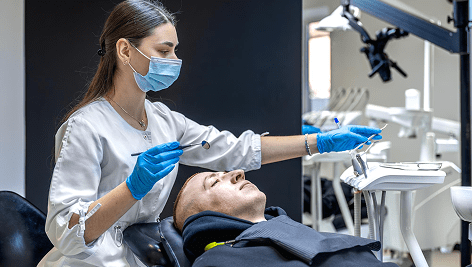

YOUR FIRST VISIT
What to Expect When You Visit
On Point Dental
Schedule Your Visit
We Check: Teeth, gums, jaw joints, oral cancer screening, bite alignment, existing dental work
Fill Out Your Patient Forms
What to Bring: Health fund card, Medicare card (if applicable), list of current medications
Detailed Oral Assessment
We Check: Teeth, gums, jaw joints, oral cancer screening, bite alignment, existing dental work
Treatment Plan Discussion
Transparent Pricing: All costs explained upfront, payment plans available, health fund rebates calculated.
Begin Your Dental Care
Ongoing Care: Regular check-ups every 6 months, reminders sent, family appointments coordinated
THE TEAM
Our Dental Team - Our Qualified Dentists and Support Staff
Our dental team brings diverse training and experience to provide quality care, and they’re supported by our skilled dental assistants and administrative team, who help make your visit run smoothly.
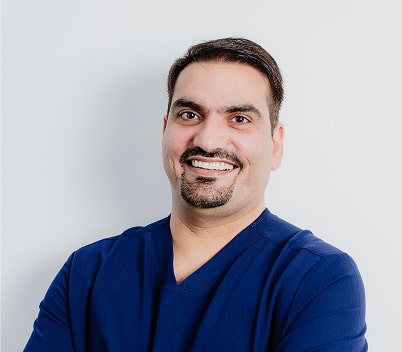
Credentials




Credentials


Credentials

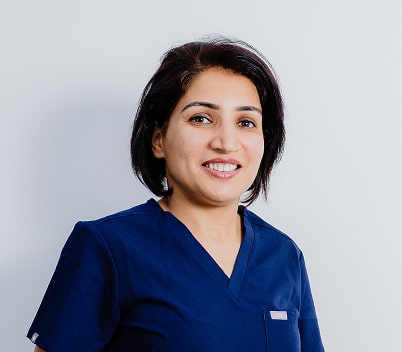
Dr Ahlawat is a certified Invisalign provider with experience across multiple countries, offering cosmetic dentistry, orthodontic treatment, and supportive care for patients who feel anxious about dental visits.
Credentials



FAQ
Frequently Asked Questions
We’ve answered common questions about full-mouth rehabilitation to help you understand the process and make well-informed choices.
What is a full-mouth rehabilitation?
Full-mouth rehabilitation is a comprehensive dental treatment approach that may address functional, health, and aesthetic concerns affecting multiple teeth. This type of care is typically recommended when multiple teeth are damaged, missing, or severely worn due to decay, gum disease, injury, or long-term neglect. The treatment involves combining various dental procedures, such as dental implants, crowns, bridges, dentures, and gum therapy, to manage complex oral health issues. It’s a carefully planned process tailored to your specific dental needs and goals.
Unlike routine dental care, which focuses on individual teeth, a full-mouth rehabilitation procedure takes a whole-mouth approach through coordinated treatment. The process usually progresses in stages over several months, allowing time for healing and adjustments between procedures where needed.
Your dentist will create a personalised treatment plan after thoroughly assessing your teeth, gums, jaw alignment, and bite function during an initial consultation. Full-mouth rehabilitation aims to support improved chewing ability, speech function, and smile appearance. Outcomes vary depending on individual circumstances and clinical factors.
How do I know if I need a full-mouth rehabilitation?
A full-mouth rehabilitation procedure may be considered when dental concerns have become extensive and affect your ability to eat, speak, or maintain optimal oral function. Here are some signs that may indicate you could benefit from this comprehensive treatment:
- Extensive tooth loss or missing teeth: If you’re missing multiple teeth across different areas of your mouth, this can affect your bite, jaw alignment, and ability to chew properly.
- Severe tooth decay affecting several teeth: When decay has progressed to the point that multiple teeth require significant restorations, a comprehensive approach may be more effective than addressing each tooth individually.
- Advanced gum disease with bone loss: If periodontal disease has severely damaged the supporting structures of your teeth, dental rehabilitation may be considered to help support function and manage further deterioration.
- Worn or damaged teeth from grinding or acid erosion: Extensive wear can affect your bite height, cause jaw pain, and compromise the structure of multiple teeth.
- Chronic jaw pain or bite problems: If your teeth don’t come together properly or you experience persistent discomfort when chewing, a full-mouth approach may be needed to address alignment issues.
- Failed or failing dental work across multiple teeth: When previous dental treatments are breaking down or no longer functioning well, a coordinated rehabilitation plan may help maintain your long-term oral health goals.
For patients experiencing several ongoing dental issues, a comprehensive treatment plan may be required. Schedule a consultation to explore whether full-mouth rehabilitation in Fremantle could be the right option for your oral health needs.
What are the disadvantages of full-mouth rehabilitation?
Full-mouth rehabilitation may support oral function and appearance for many patients. However, it’s important to understand the considerations and potential challenges involved before proceeding with treatment.
- Treatment Duration and Commitment: The full-mouth rehabilitation process requires multiple appointments over several months, so you’ll need to commit time and adjust your schedule accordingly.
- Financial Investment Required: Full-mouth rehabilitation often involves multiple procedures, including implants, crowns, and other restorative treatments, which can result in high costs. Health funds may provide partial cover, though the extent of cover varies by policy and the specific treatments required.
- Recovery and Adjustment Period: You may experience temporary discomfort, sensitivity, or difficulty eating during the treatment phases, and there’s an adjustment period as you adapt to your new dental restorations.
- Maintenance and Ongoing Care: Restored teeth require diligent oral hygiene and regular dental visits to maintain their function and appearance over time, which means a long-term commitment to preventive care.
- Potential for Complications: As with any dental procedure, there are risks, including infection, implant failure, or the need for adjustments, though these can often be managed with proper care and follow-up.
These factors are important to consider when evaluating full-mouth rehabilitation as a treatment option. Individual experiences vary. Some patients report functional improvements that support their daily comfort. Outcomes depend on many factors, including your specific dental condition and adherence to post-treatment care.
How long does full-mouth rehabilitation take?
The duration of the full-mouth rehabilitation process varies significantly depending on your dental needs, the complexity of your case, and the specific treatments in your personalised treatment plan. Below are the key factors to consider when evaluating this comprehensive dental approach.
- Initial Assessment Phase: Your initial visits will include a thorough examination, diagnostic imaging, and detailed treatment planning, typically completed over one to three appointments. These consultations are usually scheduled during the first few weeks to assess your needs and develop your personalised treatment plan.
- Treatment Complexity Determines Timeline: Cases involving crowns or bridges may be completed within three to six months, though individual timeframes vary based on healing and clinical factors.
- Healing Periods Between Procedures: If dental implants are part of your treatment plan, you’ll need to allow several months for osseointegration. This is the process by which the implant bonds to your jawbone before the final restoration can be placed.
- Staged Treatment Approach: Your dentist may recommend completing treatment in phases to manage comfort and cost, addressing urgent concerns first before moving on to aesthetic or longer-term restorative work.
- Individual Healing Factors: Your personal healing capacity, overall health, and oral hygiene practices can influence how quickly treatment progresses between appointments. Additionally, how well you follow post-treatment care instructions may affect your recovery timeline and the overall success of your full-mouth rehabilitation.
If you’re considering full-mouth rehabilitation in Fremantle, it’s important to keep in mind that the treatment timeline and options will vary based on your unique needs. Your dentist will provide a more specific timeline during your consultation after assessing your situation and discussing the most suitable treatment options for you.
What are the steps of a full-mouth rehabilitation?
Bite rehabilitation involves a carefully planned series of steps that may help address function and appearance concerns affecting your teeth. Here’s what the process includes:
- Initial Comprehensive Assessment: Your dentist will conduct a thorough examination of your teeth, gums, jaw joints, and bite alignment to understand the full scope of your dental needs.
- Diagnostic Records and Treatment Planning: Detailed records, including X-rays, photographs, and dental impressions, are taken to create a customised treatment plan tailored to your specific situation.
- Preparatory Treatments: Underlying issues, such as gum disease or tooth decay, are addressed first to facilitate subsequent restorative work.
- Restorative Procedures: The main rehabilitation phase may include a combination of treatments such as dental implants, crowns, bridges, or dentures, depending on your individual requirements.
- Bite Adjustment and Final Positioning: Your dentist will carefully adjust your bite to promote proper alignment and function when you eat and speak.
- Follow-Up Care and Maintenance: Regular review appointments are scheduled to monitor your progress and support the long-term success of your full-mouth rehabilitation.
The exact steps and duration of your full-mouth rehabilitation will vary based on your dental needs, and your dentist will discuss the specific timeline during your consultation.
How soon can I eat after full-mouth rehabilitation?
Your ability to eat after full-mouth rehabilitation depends on the specific procedures in your treatment plan. If your rehabilitation includes dental implants, you may need to follow a soft food diet for several weeks while the implants integrate with your jawbone. Following procedures such as crowns, bridges, or veneers, many patients may resume eating within a few hours once the anaesthesia wears off, though individual experiences vary. Your dentist will provide specific dietary guidelines tailored to your treatment, as every rehabilitation plan is different.
During the initial recovery period, we recommend starting with soft, nutritious foods that don’t require heavy chewing, such as smoothies, soups, and mashed vegetables. Gradually reintroduce firmer foods as your mouth heals and you become comfortable with your restored teeth. Avoid very hot foods initially, as your mouth may be sensitive, and steer clear of hard or sticky foods that could compromise your new restorations. Your dental team will guide you through each stage of recovery and let you know when it’s appropriate to return to your normal diet.
How painful is a full-mouth restoration?
Pain levels during full-mouth restoration vary depending on the procedures involved and your pain threshold. Modern dentistry offers various approaches that may help manage discomfort throughout the process.
Before the Procedure
- Initial Assessment Comfort: The consultation and diagnostic phase involves minimal discomfort, usually limited to X-rays and oral examination, with no invasive procedures at this stage.
- Anaesthesia Planning: Your dental team will discuss sedation and anaesthesia options suited to your needs, so you understand how pain management will be addressed during treatment.
During the Procedure
- Local Anaesthesia Application: Most full-mouth restoration procedures are performed under local anaesthesia, which numbs the treatment area to help manage discomfort during the work itself. You may experience sensations of pressure or movement. Most patients experience minimal pain while the anaesthesia is effective, though individual responses vary.
- Sedation Options Available: For patients with dental anxiety or undergoing longer procedures, conscious sedation or general anaesthesia can be arranged to support comfort management throughout treatment.
- Real-Time Comfort Monitoring: Your dentist will check in with you regularly during the procedure and can adjust anaesthesia levels if you experience any discomfort.
After the Procedure
- Post-Treatment Sensitivity: Some soreness, swelling, or sensitivity is common in the days following treatment, particularly after extractions, implant placement, or extensive work. These symptoms may subside within a few days to a week as healing progresses, though recovery times vary among individuals.
- Pain Management Prescribed: Your dentist will recommend appropriate pain relief medication to manage any discomfort during the recovery period. You’ll receive clear instructions on what to expect and when to seek help if needed.
- Healing Timeline Varies: Discomfort often decreases gradually as healing progresses. Patient recovery experiences vary, and some patients report manageable symptoms during the first week.
Some discomfort is a normal part of recovery from extensive dental work. You should feel comfortable communicating any concerns about your comfort level during treatment and recovery.
What are the disadvantages of full-mouth rehabilitation?
Full-mouth rehabilitation can offer significant benefits for patients with extensive dental needs, but it’s important to understand the potential challenges before proceeding with treatment.
Consideration | Details |
Financial Investment | • Substantial cost compared to single procedures • May require multiple treatments over extended periods • Not all procedures are covered by health funds • Payment plans are often necessary |
Treatment Duration | • Process can take several months to over a year • Multiple appointments required • Healing time needed between procedures • Requires commitment to full treatment plan |
Physical Discomfort | • Some procedures may cause temporary sensitivity • Adjustment period for new restorations • Potential swelling or soreness during healing • May need time off work for recovery |
Lifestyle Adjustments | • Dietary restrictions during treatment phases • Careful oral hygiene protocols required • Regular maintenance appointments are essential • Ongoing care needed to protect investment |
Potential Complications | • Individual healing responses vary • Some treatments may require adjustments • Risk of infection or delayed healing in some cases • Additional procedures occasionally needed |
Psychological Demands | • Treatment process can feel overwhelming • Anxiety about extensive dental work • Patience required throughout multi-stage procedures • Emotional adjustment to changes |
Understanding these challenges helps you assess whether full-mouth rehabilitation aligns with your needs, circumstances, and long-term oral health goals. As with any dental procedure involving surgical or invasive elements, full-mouth rehabilitation carries risks. Before proceeding, you should seek a second opinion from an appropriately qualified health practitioner.
What if I'm not happy with my full-mouth rehabilitation?
Your satisfaction matters, and we encourage open communication throughout your treatment journey. If concerns arise during or after your full-mouth rehabilitation, please speak with your dentist as soon as possible. Some issues may be addressed through adjustments, refinements, or additional consultations. We’re committed to working with you to support the most suitable outcome within realistic clinical parameters.
It’s important to understand that full-mouth rehabilitation is complex, and outcomes can vary among individuals depending on many factors. Your dentist will have discussed expected results during your consultation, including potential limitations based on your specific situation. If you feel your concerns aren’t being adequately addressed, you have the right to seek a second opinion from another registered dentist. You can also contact the Dental Board of Australia or AHPRA if you have regulatory concerns about your care. Contact details: AHPRA 1300 419 495 or www.ahpra.gov.au/notifications.
What happens if I need to stop or pause treatment partway through?
Life doesn’t always go according to plan, and we understand that circumstances can change during extended dental treatment. If you need to pause your full-mouth rehabilitation, we’ll work with you to find a suitable option. The approach depends on where you are in the treatment process and your specific situation. Your comfort and well-being remain our priority, even when plans need to be adjusted.
When treatment pauses, we’ll take steps to keep your mouth functional and protected during the break. Temporary restorations can be placed to support comfort and appearance while you’re away from active treatment. We’ll discuss any implications of pausing and create a plan to resume when you’re ready. There’s no pressure or judgement—we’re here to guide you through whatever circumstances arise during your dental care journey.
Can I start with basic treatment and upgrade later?
Many patients begin with foundational treatments to address urgent concerns and improve immediate function and comfort. Starting with essential care may contribute to gradual progress while managing costs. Your dentist can design a staged treatment plan that prioritises critical needs first, then builds towards comprehensive restoration. This flexible approach lets you make decisions at each stage based on your progress and circumstances.
Upgrading later may be possible depending on your circumstances and oral health status. For example, temporary dentures may be replaced with implants, or basic restorations can be enhanced with more durable materials. Your dentist will discuss which treatments allow for future upgrades and which might require redoing if you change direction. Staged planning allows each step to support your long-term goals while remaining adaptable to your evolving needs and preferences.
What payment options are available for full-mouth rehabilitation?
Full-mouth rehabilitation is a significant investment in your oral health, and we understand that understanding your payment options is essential to planning your treatment. Here’s how we can help make your dental care more accessible:
- Health Fund: Some health funds may provide partial cover for certain restorative dental procedures. Cover varies significantly between funds and individual policies. We recommend contacting your health fund provider directly before treatment to understand your specific benefits, limitations, waiting periods, and annual caps.
- Payment Plans: We offer flexible payment arrangements. Payment plan options are available for eligible patients. Contact our clinic for complete details, including all terms and conditions, before treatment. Treatment decisions should be based on clinical assessment and individual dental needs.
- Upfront Payment Options: For patients who prefer to pay in full, we accept credit cards, debit cards, and direct bank transfers. We’ll provide a detailed cost breakdown during your consultation so you know exactly what to expect.
- Treatment Staging: Depending on your clinical needs, treatment may be staged over time. Your dentist will determine the most appropriate approach based on your oral health assessment. This may also allow financial commitment to be spread across a longer timeframe.
- Transparent Cost Discussions: Before any treatment begins, we’ll provide you with a comprehensive treatment plan that includes all associated costs. We believe in complete transparency so you can understand all costs involved before proceeding with treatment.
We encourage you to discuss your financial concerns openly during your consultation. Our team is committed to working with you to find a payment approach that suits your circumstances and supports your treatment needs. Please discuss your specific circumstances during your consultation, and we’ll provide detailed information about available arrangements, including any applicable terms and conditions.
