
Teeth Grinding Treatment
Professional Teeth Grinding Treatment in Fremantle

What we do?
Explore Teeth Grinding Treatment to Protect Your Teeth, Jaw, and Overall Oral Health
Teeth grinding, also known as bruxism, can place considerable pressure on your teeth and jaw, often leading to discomfort, headaches, and increased sensitivity. Many people are unaware they grind during sleep, making early assessment valuable for identifying patterns and reducing the impact on daily well-being. By seeking guidance, you gain access to tailored care that eases symptoms and prevents further complications.
A consultation may include an examination of your bite, jaw movement, and lifestyle factors that influence grinding. Based on these findings, your dental practitioner can recommend options such as custom nightguards, stress-relief strategies, or targeted exercises that aim to promote jaw relaxation and may support long-term oral health.
RIGHT CANDIDATE
Is Teeth Grinding Treatment Right for You?
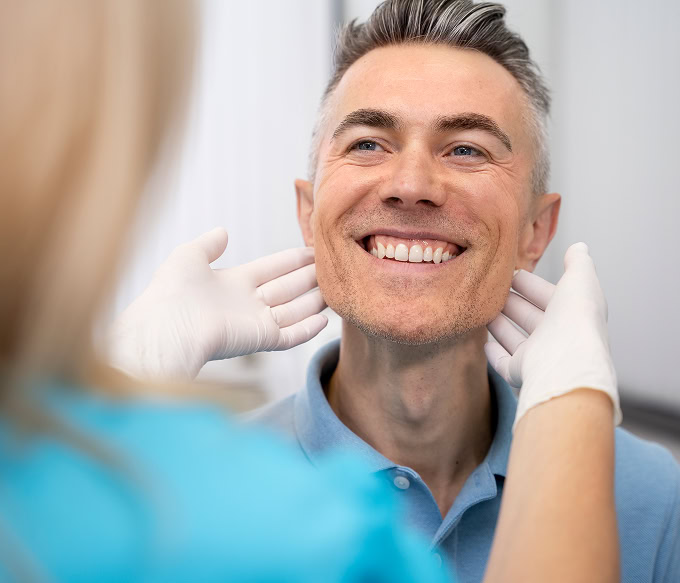
Many people seek care when jaw tension, disrupted sleep, or worn teeth start affecting their day-to-day comfort. If you notice frequent headaches, tight facial muscles, or sensitivity linked to grinding, exploring treatment may help you maintain better oral function.
A professional assessment can identify what’s contributing to your symptoms and outline practical ways to protect your teeth. Discussing your concerns with a dentist can help determine whether intervention is suitable for your situation.
Benefits
Discover the Benefits of Teeth Grinding Treatment
Targeted care for bruxism may help reduce further wear on teeth and may support more comfortable jaw movement during daily activities. Some patients report experiencing fewer morning headaches. Individual experiences vary, and outcomes depend on multiple factors including the cause and severity of grinding.
Ongoing management may promote better sleep quality, reduced muscle tension, and improved comfort when eating or speaking. With guidance from an oral health professional, you can explore approaches that may contribute to long-term oral health. Individual results vary.

WHAT MAKES US DIFFERENT
Why Choose On Point Dental for Preventative Dental Care
Thorough Check-Ups and Cleanings
Our preventative appointments include examinations of teeth, gums and oral tissues, along with professional cleaning to remove plaque and calculus. Diagnostic tools help identify potential concerns early, when treatment may be simpler. We discuss any findings with you and outline practical steps you can take to support ongoing oral health between visits, helping maintain long-term dental wellbeing.
Patient Education and Guidance
We take time to explain clinical findings and demonstrate appropriate brushing and flossing techniques. Personalised recommendations consider your lifestyle, diet and oral health history. Clear communication supports understanding of how daily habits influence dental outcomes, helping you manage your oral health confidently and make decisions that align with long-term preventative goals. Questions are always encouraged during appointments.
Family-Friendly Environment
Our clinic welcomes patients of all ages, offering preventative care tailored to children, adults and seniors. We coordinate appointments for families where possible and accept major health funds to support access. Flexible scheduling, including Sundays, helps busy households maintain regular check-ups, building useful dental habits early and supporting continuity of care in a comfortable, familiar environment.
New Patient Special Offer
$299
Dental Package Available for New Patients: Complete Preventive Care Services in One Appointment
HEALTH FUNDS & PAYMENT OPTIONS
Quality Dental Care that Fits Your Budget


HBF Member Plus Benefits
- Eligible HBF Member Plus members can receive reduced gap payments on many dental services.
- We process your health fund claim on the spot, and you’ll pay only the gap amount.
- Our team can check your cover and provide an estimate of your out-of-pocket costs before treatment begins.
- Being a preferred provider means we meet HBF's quality and service standards, giving you added security in your care.
HBF Member Plus preferred provider status allows eligible members to access reduced payments. Terms and conditions apply.


NIB First Choice Benefits
- NIB First Choice members may receive higher benefits and lower gap payments when they visit our clinic.
- We submit your claim directly to NIB, making the process straightforward and reducing paperwork for you.
- Our reception team can explain your NIB benefits and help you understand what's included in your cover.
- We're committed to transparent pricing, so you'll know your expected costs before we start any treatment.






Flexible Payment Plans Available
Fund My Dental


YOUR FIRST VISIT
What to Expect When You Visit
On Point Dental
Schedule Your Visit
We Check: Teeth, gums, jaw joints, oral cancer screening, bite alignment, existing dental work
Fill Out Your Patient Forms
What to Bring: Health fund card, Medicare card (if applicable), list of current medications
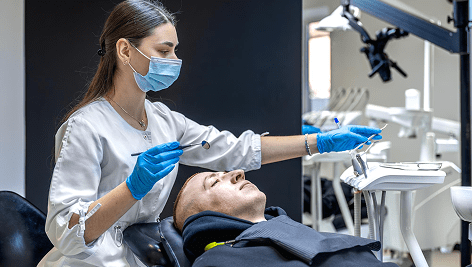
Detailed Oral Assessment
We Check: Teeth, gums, jaw joints, oral cancer screening, bite alignment, existing dental work
Treatment Plan Discussion
Transparent Pricing: All costs explained upfront, payment plans available, health fund rebates calculated.
Begin Your Dental Care
Ongoing Care: Regular check-ups every 6 months, reminders sent, family appointments coordinated
THE TEAM
Our Friendly Team - Meet The Faces Behind Your Smile
Our dental team brings diverse training and experience to provide quality care, and they’re supported by our skilled dental assistants and administrative team, who help make your visit run smoothly.

Credentials




Credentials


Credentials



Dr Ahlawat is a certified Invisalign provider with experience across multiple countries, offering cosmetic dentistry, orthodontic treatment, and supportive care for patients who feel anxious about dental visits.
Credentials



FAQ
Frequently Asked Questions
What causes grinding teeth?
Teeth grinding (bruxism) happens for different reasons, and the cause can vary between individuals. Stress and anxiety are among the most commonly identified triggers, as tension may lead to jaw clenching during sleep or waking hours. Sleep disorders such as sleep apnoea may also contribute to nighttime grinding in some individuals. An abnormal bite, missing teeth, or crooked teeth can create an uneven jaw position, which may lead to grinding.
Certain lifestyle factors and medications may increase the risk of teeth grinding. Stimulants like caffeine, alcohol, and recreational drugs have been associated with bruxism in some cases. Some medications, particularly certain antidepressants, may list teeth grinding as a potential side effect. Your dentist can assess your specific situation and help identify factors that may be contributing to your teeth grinding.
What are the recommended treatments for grinding teeth?
Treatment options for teeth grinding depend on the underlying cause and severity of your condition. Your dentist will assess your specific situation to recommend the most suitable approach. Here are the main treatment options available:
- Custom Nightguards:
A custom-fitted nightguard is one of the most common treatment approaches. This dental appliance sits between your upper and lower teeth while you sleep, helping to reduce wear and protect your teeth from further damage. - Stress Management Techniques:
If stress or anxiety contributes to your teeth grinding, your dentist may suggest stress reduction strategies. These can include relaxation exercises, counselling, or other methods that may help reduce grinding frequency. - Bite Adjustment:
In some cases, an uneven bite may contribute to teeth grinding. Your dentist can assess whether orthodontic treatment or dental restorations could help improve your bite alignment and potentially reduce grinding. - Muscle Relaxation Therapy:
For some patients, physical therapy or jaw exercises may help relax tense jaw muscles. Your dentist can demonstrate techniques that may relieve jaw tension and discomfort. - Medication Review:
Certain medications can contribute to teeth grinding as a side effect. Your dentist may recommend discussing your medications with your doctor to explore alternative options if appropriate.
The most effective treatment varies between individuals, and often a combination of approaches works well. Some people visit their oral health practitioner to discuss which teeth grinding mouthguard design suits their needs.
Are there lifestyle changes that may help reduce teeth grinding?
Several lifestyle adjustments can support the management of teeth grinding, though their effectiveness varies between individuals. While these strategies may help reduce grinding, combining them with professional dental assessment and treatment often provides better results. Your dentist can provide personalised guidance based on your specific situation.
- Stress management and relaxation:
Stress and anxiety are commonly associated with teeth grinding. Incorporating relaxation techniques such as meditation, deep breathing exercises, or yoga into your daily routine may help reduce tension in your jaw muscles. Many patients find that managing stress levels can reduce grinding activity. - Limiting stimulants before bedtime:
Caffeine and alcohol consumption, particularly in the evening, may increase the chance of teeth grinding during sleep. Reducing or avoiding these substances several hours before bed can support better sleep quality and may help minimise grinding. - Establishing a calming bedtime routine:
Creating a consistent, relaxing pre-sleep routine can help prepare your body for rest. This might include activities such as reading, taking a warm bath, or stretching. A calm transition to sleep may reduce the muscle tension that contributes to grinding. - Maintaining proper sleep posture:
Your sleeping position can influence jaw tension and grinding behaviour. Sleeping on your back rather than your stomach may help reduce strain on your jaw. A pillow that provides proper neck support may also help promote more relaxed jaw positioning during sleep. - Staying adequately hydrated:
Dehydration may contribute to muscle tension and cramping, including in the jaw muscles. Maintaining proper hydration throughout the day can support overall muscle function and may help reduce grinding intensity.
While these lifestyle modifications can be beneficial, they typically work most effectively as part of a comprehensive approach to managing teeth grinding. If you’re experiencing jaw pain, headaches, or tooth sensitivity, a consultation can help identify the cause. We can discuss treatment options that may be suitable for your situation.
What happens if teeth grinding is not addressed?
If teeth grinding remains unaddressed, it can lead to gradual wear of your tooth enamel. This wear may increase sensitivity to hot and cold foods and beverages. In some cases, teeth may develop chips, cracks, or fractures that require restorative treatment. Grinding pressure can also affect existing dental work, potentially shortening its lifespan.
Beyond your teeth, ongoing grinding can strain the jaw muscles and temporomandibular joint (TMJ). Many people experience persistent headaches, facial pain, or difficulty opening their mouth comfortably. Sleep quality may decline, affecting your overall well-being and daily energy levels. Early dental assessment can help identify suitable management options before these issues progress further.
What happens during a teeth grinding treatment consultation?
During a teeth grinding treatment consultation, your dentist will conduct a thorough assessment to determine the extent of your bruxism and the most suitable management approach for your situation. This appointment is designed to identify the underlying causes and develop a personalised care plan.
- Comprehensive Oral Examination:
Your dentist will examine your teeth, jaw, and facial muscles to assess signs of grinding, including tooth wear, enamel damage, and jaw tension. - Discussion of Symptoms and Concerns:
You’ll discuss when the grinding occurs, any associated symptoms like headaches or jaw pain, and how it may be affecting your daily life. - Assessment of Bite and Jaw Alignment:
Your dentist will evaluate your bite pattern and jaw movement to identify any alignment issues that may contribute to teeth grinding. - Review of Contributing Factors:
The consultation includes a discussion of potential triggers, such as stress levels, sleep patterns, medications, and lifestyle factors, that may influence bruxism. - Treatment Options and Recommendations:
Based on the assessment findings, your dentist will explain suitable treatment options, which may include custom nightguards, stress management techniques, or other approaches. - Custom Treatment Plan Development:
Together with your dentist, you’ll develop a tailored care plan that addresses your specific needs and circumstances.
A consultation for teeth grinding treatment in Fremantle typically includes a review of medical and dental history. This consultation provides a clear understanding of your teeth grinding condition and establishes an approach to manage symptoms and protect your oral health over time.
When should I worry about teeth grinding?
You should consider seeking dental advice if you notice persistent symptoms that affect your daily comfort or oral health. These may include regular headaches upon waking, ongoing jaw pain or stiffness, or visible wear on your teeth. Some people experience facial muscle soreness, earaches, or disrupted sleep due to grinding. If a partner mentions that you grind your teeth loudly at night, this can also indicate a need for assessment.
It’s worth booking a consultation if grinding causes tooth sensitivity, chips, or fractures that affect your ability to eat comfortably. Frequent jaw tension or difficulty opening your mouth fully may suggest the issue requires attention. Early assessment can help identify contributing factors and suitable management options before more complex problems develop. Your dentist can examine your teeth and jaw to determine whether treatment would be appropriate for your situation.
How long does teeth grinding treatment take?
The duration of teeth grinding treatment varies depending on the approach and your needs. Most patients begin with an initial consultation and assessment, followed by ongoing management. Here’s what you can generally expect:
- Initial Consultation and Assessment:
Your first appointment usually lasts 30-60 minutes. Your dentist will examine your teeth, jaw, and bite, then discuss treatment options that may be suitable for your situation. - Custom Nightguard Fitting:
If a nightguard is recommended, the fitting process typically requires two appointments. The first visit involves taking impressions and measurements, with a second visit scheduled approximately one to two weeks later. - Ongoing Management and Follow-Up:
Treatment for teeth grinding is often long-term, with regular dental checkups every 6–12 months. These visits help monitor your progress, assess nightguard wear, and adjust your care plan as needed. - Stress Management and Behavioural Therapy:
If stress or behavioural factors contribute to your grinding, additional strategies may be recommended alongside your nightguard. The timeframe for seeing improvement can vary from weeks to months, depending on individual circumstances.
The duration and approach to managing teeth grinding will depend on your circumstances. During your consultation, a dentist can discuss suitable care options based on your needs. Treatment outcomes and timeframes vary for each person, depending on the severity of grinding and the individual’s response to management strategies.
How long will it take to see results from teeth grinding treatment?
The timeline for experiencing benefits from teeth grinding treatment varies depending on the treatment type and individual circumstances. Custom nightguards, one of the most common approaches, may help reduce symptoms like jaw pain or headaches within a few weeks of consistent use. Some patients notice improved comfort relatively quickly, while others may take longer to adjust to wearing the appliance. Your dentist will monitor your progress and make adjustments to support the most suitable outcome for your situation.
For treatments addressing underlying causes—such as stress management, bite adjustment, or muscle-relaxation techniques—the timeline can vary significantly. Stress-related grinding may improve as you implement recommended strategies, though this process takes time and varies between individuals. Dental work to adjust bite issues may provide gradual relief as your jaw adapts to the changes. We’ll discuss realistic expectations during your consultation and create a treatment plan that considers your specific needs and circumstances.
How often are follow-up appointments typically recommended for teeth grinding treatment?
Follow-up appointments for teeth grinding treatment vary depending on your situation and the type of treatment provided. Many patients return within two to four weeks after receiving a nightguard to check the fit and comfort. Your dentist will assess how well the appliance is working and whether any adjustments are needed. This initial follow-up helps confirm the treatment is working as intended and supporting your comfort.
After the initial adjustment period, follow-up visits are often scheduled every three to six months as part of your regular dental checkups. During these appointments, your dentist will examine your nightguard for wear and check your teeth for any signs of continued grinding. The frequency of visits may be adjusted based on the severity of your bruxism and how you’re responding to treatment. Your dentist will work with you to determine a follow-up schedule that suits your specific needs and circumstances.
How does a nightguard help with teeth grinding?
A nightguard is a protective dental appliance designed to reduce the impact of teeth grinding during sleep. It works by creating a physical barrier between your upper and lower teeth, helping to manage the effects of bruxism. Here’s how nightguards provide support:
- Creates a protective layer:
The nightguard sits between your teeth, helping to reduce direct tooth-to-tooth contact that can lead to enamel wear and damage over time. - Reduces jaw muscle tension:
By slightly separating your teeth, a nightguard can help relax overactive jaw muscles, which may reduce the intensity of grinding for some patients. - Distributes biting pressure:
The appliance helps spread the force of grinding more evenly across your jaw, rather than concentrating it on specific teeth. - May reduce associated symptoms:
Many patients report reduced jaw discomfort and morning headaches after consistent nightguard use, though individual experiences vary. - May help reduce further dental damage:
Regular use can help protect existing dental work, such as crowns and fillings, from the excessive force of grinding.
Nightguards are commonly used to manage teeth grinding and are more effective when combined with a comprehensive oral health approach. Your dentist can assess whether a custom-fitted nightguard is suitable for your situation and discuss other strategies to address the underlying causes of bruxism. If you’re considering teeth grinding treatment in Fremantle, we’re here to help answer your questions.
Are there mouth exercises to help prevent teeth grinding?
Some jaw and mouth exercises may help reduce teeth grinding by promoting relaxation and improving jaw muscle control. These exercises are often recommended as part of a broader management approach, though their effectiveness can vary between individuals. It’s important to discuss any exercise routine with your dentist to confirm it’s appropriate for your specific situation.
- Jaw Relaxation Exercise:
Open your mouth, then move your jaw side to side in a slow, controlled motion. This may help relieve jaw muscle tension and increase awareness of jaw positioning throughout the day. - Tongue Positioning Practice:
Rest your tongue against your palate (the roof of your mouth), just behind your upper front teeth. Try to maintain this position throughout the day. This position can help prevent clenching by keeping your jaw slightly relaxed and your teeth apart. - Massage and Stretching:
Use your fingers to massage the muscles around your jaw, temples, and neck in circular motions. Combined with slow jaw stretches, this may help reduce muscle tightness that contributes to grinding. - Controlled Breathing Technique:
Practice deep, slow breathing while consciously relaxing your jaw and keeping your teeth slightly apart. This can help reduce stress-related clenching, particularly before sleep or during periods of tension.
While these exercises may provide some relief, they’re often most effective when combined with other approaches such as stress management or a custom nightguard. Your dentist can assess your grinding patterns and recommend a tailored treatment plan that addresses the underlying causes. Patients exploring bruxism treatment in Fremantle can benefit from learning how muscle tension impacts their bite and jaw movement.
How do dentists address daytime teeth clenching?
Daytime teeth clenching, also known as awake bruxism, requires a different approach compared to nighttime grinding. Because it often occurs unconsciously during stress or concentration, treatment focuses on awareness and behaviour modification. Your dentist can work with you to develop strategies that reduce clenching habits and protect your teeth from further damage.
- Awareness training and habit monitoring:
Your dentist may help you identify triggers for clenching, such as stress, poor posture, or poor concentration. By becoming more conscious of when and why you clench, you can actively work to relax your jaw throughout the day. - Stress management techniques:
Since stress is a common contributor to daytime clenching, your dentist may recommend relaxation exercises, mindfulness practices, or breathing techniques. These approaches can help reduce tension in your jaw muscles and decrease the frequency of clenching. - Jaw exercises and physical therapy:
Specific jaw exercises can help strengthen and relax the muscles involved in clenching. Your dentist may demonstrate stretches or recommend physical therapy to improve jaw function and reduce discomfort associated with chronic clenching. - Protective dental appliances:
While primarily used for nighttime grinding, a custom mouthguard or dental splint may be recommended for daytime use in severe cases. These devices provide a protective layer that helps reduce the impact of clenching on your teeth and jaw joints. - Bite adjustment:
If your clenching is related to bite alignment issues, your dentist may recommend orthodontic treatment or selective reshaping of tooth surfaces. Addressing underlying dental problems can help reduce the tendency to clench during the day.
Treatment for daytime clenching is often most effective when it combines multiple approaches tailored to your specific situation. Your dentist will assess your needs and recommend a management plan that addresses both the symptoms and underlying causes of your clenching habit. If you’re seeking bruxism treatment in Fremantle, contact us today!
