

DENTAL SEDATION
Managing Dental Anxiety and Sedation in Fremantle
What we do?
Helping Patients With Dental Anxiety Feel More Relaxed Throughout Their Procedures
Dental anxiety affects many people and can prevent them from receiving necessary dental care that supports their oral health and well-being.
Our team recognises that dental visits can feel overwhelming for some patients. We offer sedation options that may help reduce anxiety and create a more comfortable experience during dental procedures. Each sedation approach is assessed individually following a thorough consultation with your dentist.
We take time to discuss your concerns, explain each step of the process, and work with you to identify approaches that address your needs. The dental team has training in sedation techniques and follows clinical protocols designed to support patient well-being throughout treatment. Whether you experience mild nervousness or significant anxiety, we provide options that may help you receive dental care in a more relaxed environment.

RIGHT CANDIDATE
Are You a Candidate for Dental Sedation?
Dental sedation may be appropriate for patients who experience anxiety about dental visits or have difficulty sitting still for extended procedures. It may also suit those with a strong gag reflex or who require complex dental work.
During your assessment, we discuss your anxiety level, the procedure planned, your overall health, and current medications. Your dentist will provide guidance on whether sedation options align with your circumstances and treatment needs.
Benefits
How Sedation Dentistry May Help Manage Dental Anxiety
Sedation for dental procedures works by helping patients achieve a calmer, more relaxed state during treatment. Different sedation levels range from minimal sedation, where you remain awake but relaxed, to moderate sedation, where you may feel drowsy.
Your dentist monitors you throughout the procedure and adjusts sedation levels as needed. Many patients report feeling more comfortable during dental work when sedation is used, though individual experiences vary.

WHAT MAKES US DIFFERENT
Why Choose Us for Sedation Dentistry
Here are the reasons why many patients choose On Point Dental for sedation dentistry, with supportive care designed to reduce anxiety and promote a calm, comfortable visit.
Gentle Sedation Options for Comfort
We offer tailored sedation options designed to reduce anxiety and support a calm experience. Each choice is discussed in detail, including effects, benefits and considerations, so you feel informed and supported. Our team monitors your comfort and response throughout the procedure, prioritising your safety and wellbeing at every stage.
Safety-Focused Monitoring and Care
Your health and comfort remain central during sedation dentistry. We conduct thorough medical and dental assessments before recommending sedation, including review of medications, health conditions and risk factors. During treatment, we closely monitor vital signs, breathing and comfort levels, adjusting care as needed to maintain a safe, supportive environment for you.
Clear Communication and Preparation Guidance
Before your appointment, we explain sedation steps, what to expect and how to prepare confidently. You’ll receive instructions on fasting, arrival procedures and post-sedation care. Our team answers all questions with clarity and respect so you understand the process fully, feel comfortable with your choices, and know how to support your recovery afterwards.
New Patient Special Offer
$299
Dental Package Available for New Patients: Complete Preventive Care Services in One Appointment
Scale, Clean, Fluoride Treatment, and X-rays Package
*New patients only. Cannot be combined with insurance claims.
See full terms and conditions.
INSURANCE & PAYMENT OPTIONS
Quality Dental Care That Fits Your Budget
We work with major health funds and offer flexible payment options to help make dental care more accessible and manageable for our patients.


HBF Member Plus Preferred Provider
- Eligible HBF Member Plus members can receive reduced gap payments on many dental services.
- We process your health fund claim on the spot, and you’ll pay only the gap amount.
- Our team can check your cover and provide an estimate of your out-of-pocket costs before treatment begins.
- Being a preferred provider means we meet HBF's quality and service standards, giving you added security in your care.
- HBF Member Plus preferred provider status allows eligible members to access reduced payments. Terms and conditions apply.


NIB First Choice Preferred Provider
- NIB First Choice members may receive higher benefits and lower gap payments when they visit our clinic.
- We submit your claim directly to NIB, making the process straightforward and reducing paperwork for you.
- Our reception team can explain your NIB benefits and help you understand what's included in your cover.
- We're committed to transparent pricing, so you'll know your expected costs before we start any treatment.






Flexible Payment Plans Available
Fund My Dental


FAQ
Frequently Asked Questions
If you’re considering options for managing dental anxiety and sedation in Fremantle, you may have questions about how sedation works and what to expect.
What types of sedation are available for dental procedures?
Several sedation options may be available depending on your individual circumstances and the type of dental work required. Your dentist will discuss which approaches align with your anxiety level, medical history, and the complexity of your dental procedure during your consultation.
- Oral Sedation
Oral sedation involves taking medication by mouth before your appointment. This approach can help you feel drowsy and relaxed while remaining conscious. The medication is usually taken approximately one hour before your procedure, and effects vary between individuals based on dosage and metabolism.
- IV Sedation
IV sedation, sometimes called sleep dentistry, delivers medication directly into your bloodstream through a small needle placed in your arm or hand. This method allows your dentist to adjust sedation levels during the procedure to maintain your comfort. You remain conscious but deeply relaxed, with limited awareness of the treatment and minimal memory of the procedure afterwards.
- Inhalation Sedation
Inhalation sedation uses a combination of gases delivered through a mask placed over your nose. You remain conscious throughout the procedure but may feel more relaxed and less aware of treatment. The effects wear off quickly once the mask is taken off.
Each sedation type offers different levels of relaxation and has specific considerations. Your dentist will recommend the most appropriate option based on your individual assessment.
How does dental sedation work?
Dental sedation works by affecting your central nervous system to produce a calming effect. The specific mechanism depends on the type of sedation used.
- Absorption and Effect Timeline
Oral sedation medications are absorbed through your digestive system and enter your bloodstream. Relaxation effects generally begin within 30 to 60 minutes. The level of sedation achieved depends on the dosage prescribed, your body weight, and individual factors such as metabolism.
- During the Procedure
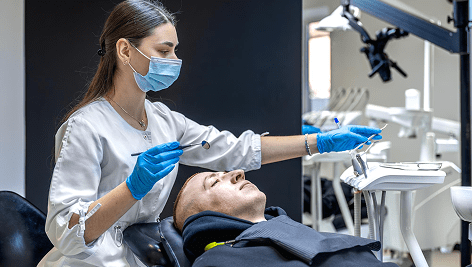
Your vital signs, including heart rate, blood pressure, and oxygen levels, are monitored regularly throughout treatment. You’ll still receive local anaesthetic to numb the treatment area, as sedation addresses consciousness rather than pain. Most patients remember little about the procedure, though you remain able to respond to verbal cues from your dentist.
Response to sedation varies between individuals. Some patients feel deeply relaxed, while others experience mild drowsiness. Your dentist adjusts the approach based on your response and the requirements of your dental procedure.
Will I be unconscious during sedation dentistry?
The level of consciousness during sedation dentistry varies depending on the sedation method used and the depth of sedation achieved. Most dental sedation options keep you conscious but deeply relaxed.
With oral sedation, most patients remain conscious but feel very relaxed and drowsy. You can respond to questions and follow instructions from your dentist, though you may have limited memory of the procedure afterwards. Some patients fall asleep during treatment but can be awakened easily.
IV sedation aims to help you achieve a deeply relaxed state where you’re less aware of the procedure. However, this differs from general anaesthesia, where you would be completely unconscious.
Your dentist will explain the expected level of consciousness for your specific sedation approach during your consultation.
Is dental sedation safe?
Dental sedation can be provided with appropriate measures when administered by trained practitioners following established protocols.
Your dentist will review your complete medical history, current medications, and any allergies before recommending sedation. Certain health conditions may affect your suitability for sedation, and your dentist will assess these factors during your consultation.
During sedation, your vital signs, including heart rate, blood pressure, and oxygen levels, are monitored continuously. Equipment and medications to manage any complications are available in the treatment room. Your dentist and dental team are trained in sedation protocols and emergency response procedures.
As with any medical procedure, dental sedation carries some risks. Your dentist will discuss risks specific to your health status and the type of sedation recommended. Individual responses to sedation vary, and rare complications can occur.
What are the side effects of dental sedation?
Side effects from dental sedation vary depending on the type of sedation used and individual patient factors. Understanding potential side effects helps you prepare for your recovery period and recognise what to expect.
The following side effects occur frequently and generally subside within several hours:
- Drowsiness may last several hours after your appointment and usually fades as the medication leaves your system.
- Mild headaches can occur and generally respond well to over-the-counter pain relief medications.
- Nausea or upset stomach may develop, though avoiding heavy meals before your appointment can help reduce this effect.
- Dry mouth is common during recovery and can be relieved by sipping small amounts of water.
- Temporary memory gaps regarding the procedure itself are normal and occur because sedation affects short-term memory formation.
These effects generally subside within a few hours but can persist longer in some patients.
Some patients may experience the following:
- Dizziness when standing or moving can occur, so you should have assistance when getting up.
- Coordination difficulties with walking or moving around, requiring help during the initial recovery period.
- Prolonged grogginess can extend into the following day in some cases, particularly with deeper sedation levels.
- Allergic reactions to sedation medications are rare but can occur in patients with sensitivities.
Your dentist will provide specific information about potential side effects related to your sedation method during your pre-treatment consultation. If you experience unusual symptoms following sedation, contact our clinic immediately. Serious complications are rare but require prompt medical attention.
How long do the effects of dental sedation last?
The duration of sedation effects depends on several factors. Understanding these variables helps you plan appropriate recovery time and arrange necessary support following your appointment.
Several elements influence how long sedation effects persist:
- Type of sedation and dosage: Different sedation methods and medication amounts affect how long you feel drowsy or relaxed.
- Metabolism rate: Your body’s speed in processing medications determines how quickly sedation effects fade.
- Body weight and health status: Larger individuals and those in good health may process medications differently than smaller or less healthy patients.
- Recent food intake: Whether you’ve eaten before the appointment can influence how your body absorbs and processes sedation medications.
- Individual medication sensitivity: Some people are naturally more or less sensitive to sedation medications, which affects duration.
Oral sedation effects generally last between two and six hours after taking the medication. Most patients feel drowsy for several hours following their appointment. Full alertness usually returns within four to eight hours, though some grogginess may persist longer.
Sleep dentistry effects can last several hours after your procedure concludes. Recovery time varies significantly between individuals. Some patients feel alert within a few hours, while others experience drowsiness that extends into the following day.
Your dentist will provide specific guidance about expected recovery time based on your sedation type. Plan to have someone accompany you to your appointment and avoid making important decisions or operating machinery until the effects have fully worn off.
Can I drive home after sedation dentistry?
You cannot drive yourself home following dental sedation and anxiety management in Fremantle. This restriction applies to all forms of sedation for dental procedures, including oral sedation and sleep dentistry approaches.
Sedation medications affect your reaction time, judgement, and coordination for several hours after administration. Even if you feel alert, your abilities may be impaired in ways that make driving a risk. The sedation medication in your system creates risks for yourself and others on the road.
You must arrange for a responsible adult to drive you to and from your appointment. This person should remain at the clinic during your procedure or be available to collect you when treatment is complete. Public transport is not recommended due to potential drowsiness and coordination difficulties.
Plan to rest at home for the remainder of the day following sedation. Avoid operating machinery, making important decisions, or engaging in activities requiring full alertness until the next day.
What should I do to prepare for sedation dentistry?
-
Fasting Requirements
Follow your dentist’s fasting instructions carefully. For oral sedation, you may be instructed to avoid eating for four to six hours before your appointment. You may also need to limit fluid intake. Specific fasting requirements depend on the type of sedation planned. Fasting reduces the risk of nausea and other complications.
-
Medical Information
Provide complete information about your health status, including:
- A list of all medications you take, including prescription drugs, over-the-counter medicines, vitamins, and supplements
- Any allergies, particularly those involving medications or anaesthetics
- Previous reactions you’ve had to sedation or anaesthesia
- Existing health conditions such as heart disease, diabetes, or respiratory issues.
This information helps your dentist assess your suitability for sedation and adjust protocols as needed.
-
Transportation Arrangements
Arrange transportation to and from your appointment before your scheduled date. Confirm that your driver can remain available, as appointment durations can vary. You cannot drive yourself home following sedation.
-
Clothing and Personal Items
Wear comfortable, loose-fitting clothing that allows easy movement. Avoid wearing contact lenses, and take off jewellery before your procedure. These measures support your comfort and well-being during treatment.
-
Illness Notification
Inform your dentist immediately if you develop a cold, flu, or other illness before your appointment. Respiratory infections can affect sedation suitability, and rescheduling may be necessary to protect your well-being.
Following these preparation steps helps create the conditions for a smooth sedation experience and supports your recovery afterwards.
Can I bring someone with me to a sedation appointment?
You must bring a responsible adult with you to any appointment involving dental sedation. This requirement applies to all sedation types and is necessary for your well-being.
Your companion should be able to drive you home and assist you if needed during your recovery period. They can remain in the waiting area during your procedure or run brief errands nearby, but must be available when your treatment concludes.
Having someone accompany you provides several benefits. They can receive post-treatment instructions while you’re still drowsy and help you remember important information. Your companion can also assist with getting you home and monitor you during initial recovery hours.
Children or other individuals requiring supervision should not be your designated companion, as they need to focus fully on assisting you. Taxis and ride-sharing services are not appropriate alternatives to having a responsible adult accompany you.
How do I know which sedation option is right for me?
Determining the appropriate sedation option requires a comprehensive assessment by your dentist during a consultation appointment. Several factors help guide this decision to identify the approach that works for your circumstances.
Your dentist will consider multiple factors during your assessment:
- Anxiety severity: Your dentist will assess the level of dental anxiety you experience and review any previous dental experiences that may have contributed to your concerns.
- Procedure requirements: The type and duration of dental work you need will be evaluated, as different procedures may warrant different sedation approaches.
- Medical background: Your medical history and current health status help determine your suitability for specific sedation methods.
- Medication interactions: Your dentist will review the current medications you take to identify any that may interact with sedation drugs.
- Previous sedation response: Your past experiences with sedation or anaesthesia can guide the selection process for your current treatment.
- Personal preferences: Your comfort level with different sedation approaches and what you hope to achieve will be discussed.
Different procedures may warrant different sedation levels. Minor treatments might be managed with oral sedation, while complex or lengthy procedures could benefit from deeper sedation approaches.
Be open and honest during your consultation about your concerns, fears, and any previous negative dental experiences. Ask questions about each sedation type, including what to expect, how you’ll feel, and recovery requirements.
Together, you and your dentist can identify the approach that balances effectiveness and your comfort preferences.
Important Information
Any surgical or invasive procedure carries risks. Before proceeding, you should seek a second opinion from an appropriately qualified health practitioner.
A consultation is required to assess your suitability for dental sedation options. Individual circumstances vary, and responses to sedation differ between patients. Not all patients are suitable candidates for sedation.
This information is provided by On Point Dental, Fremantle. Principal Dentist: Dr Jeetash Kumar, General Dentist, AHPRA Registration Number: DEN0002285548. For appointments or enquiries, contact us on (08) 9430 4181.
