Professional Wisdom Teeth Removal in Fremantle for Patients
What we do?
Extracting Third Molars that are Causing or May Cause Oral Health Concerns
Many people develop wisdom teeth that become partially or fully impacted. This means they’re unable to properly emerge through the gum tissue. Impacted wisdom teeth can push against neighbouring teeth, cause jaw discomfort, or create pockets where bacteria collect and cause infection.
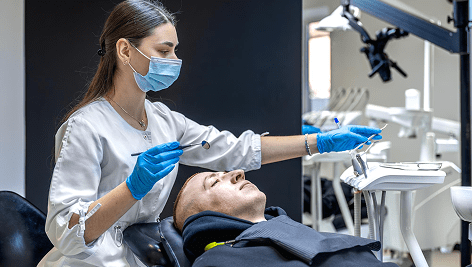
Your dentist may recommend wisdom teeth extraction when these third molars pose a risk to your overall oral health. During your consultation at On Point Dental, we’ll examine your mouth, review dental X-rays, and discuss whether extraction is appropriate for your specific situation. Our team explains each step clearly so you can make an informed decision about your care.
RIGHT CANDIDATE
Who May Require Wisdom Teeth Removal?
Wisdom teeth removal may be recommended for patients experiencing pain, swelling, or recurring infections around their third molars. People with impacted wisdom teeth that are growing at angles or pushing against adjacent teeth may also benefit from extraction.
Your dentist will assess your individual situation through examination and X-rays. Factors such as tooth positioning, jaw space, and your oral health history all influence whether extraction is appropriate for you.
Benefits
What are the Potential Benefits of Wisdom Teeth Removal?
Wisdom teeth extraction may help address existing pain and may reduce the risk of future complications in some cases. When impacted teeth are extracted, many patients experience relief from discomfort, though recovery experiences vary. Some patients find it easier to maintain oral hygiene in the back of their mouth once healing is complete.
Extraction can also help protect adjacent teeth from potential damage or crowding in some situations. Your dentist will discuss the specific benefits relevant to your situation during your consultation.
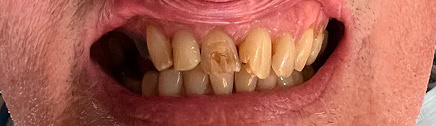
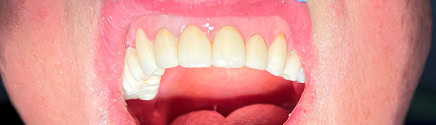
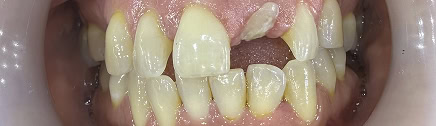
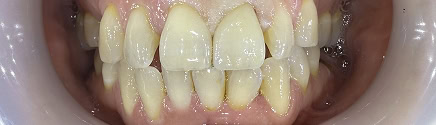
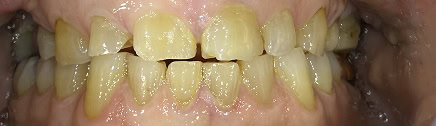
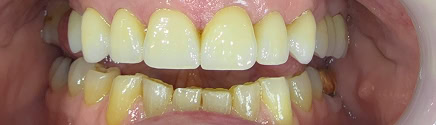
Examples of Our Dental Work
Disclaimer: Individual results may vary. Images used with written patient consent. The referenced procedure is the only visible change in each image pair. Any surgical or invasive procedure carries risks. Before proceeding, you should seek a second opinion from an appropriately qualified health practitioner.
WHAT MAKES US DIFFERENT
Why Fremantle Families Choose OnPoint
We’re not your typical dental practice. Here’s what makes us different.
Only Practice Open Sundays
Life doesn't stop on weekends. We're Fremantle's only dental practice open 7 days including Sundays 10am-6:30pm. Perfect for FIFO workers, busy professionals, and families who can't take time off work.
Advanced Implant Expertise
Dr Kumar brings 10+ years of specialized implant experience with advanced endodontics training. From single implants to full-mouth reconstruction, we handle complex cases other practices refer out.
Maximize Your Health Fund
As HBF Member Plus and NIB First Choice providers, you'll get maximum rebates and benefits. We process claims on the spot and offer payment plans for any gaps—quality care shouldn't wait.
New Patient Special Offer
$299
Start your journey to better oral health with our comprehensive introductory package
Includes: Comprehensive Exam • Professional Clean • 2 Digital X-Rays
*New patients only. Cannot be combined with insurance claims.
See full terms and conditions.
INSURANCE & PAYMENT OPTIONS
Quality Dental Care That Fits Your Budget
We believe everyone deserves excellent dental care. That’s why we offer multiple payment options and work with all major health funds.

Flexible Payment Plans Available
Fund My Dental
YOUR FIRST VISIT
Your First Visit Made Easy
OnPoint Dental Fremantle offers expert specialty services, combining advanced technology and compassionate care for exceptional patient results.
Book Your Appointment
Call us at (08) 9430 4181, book online 24/7, or simply walk in. We offer appointments 7 days a week including early mornings, evenings, and Sundays to fit your schedule.
We Check: Teeth, gums, jaw joints, oral cancer screening, bite alignment, existing dental work
Complete Your Forms
Save time by filling out your patient forms online before your visit. Just bring your health fund card and arrive 10 minutes early. The whole process takes about 5 minutes.
What to Bring: Health fund card, Medicare card (if applicable), list of current medications
Comprehensive Examination
Your dentist will conduct a thorough oral assessment, take digital X-rays (80% less radiation), and discuss any concerns or goals you have. This is your time to ask questions.
We Check: Teeth, gums, jaw joints, oral cancer screening, bite alignment, existing dental work
Personalized Treatment Plan
We’ll explain our findings clearly, discuss your options, and provide transparent costs. There’s never pressure—take your time deciding what’s right for you.
Transparent Pricing: All costs explained upfront, payment plans available, health fund rebates calculated.
Begin Your Care Journey
For simple procedures, we can often treat you the same visit. For complex work, we’ll schedule appointments—including FIFO-friendly options for fly-in-fly-out workers.
Ongoing Care: Regular check-ups every 6 months, reminders sent, family appointments coordinated
THE TEAM
Our Friendly Team - Meet The Faces Behind Your Smile
Our dental team brings diverse training and experience to provide quality care, and they’re supported by our skilled dental assistants and administrative team, who help make your visit run smoothly.
Credentials
Credentials
Credentials
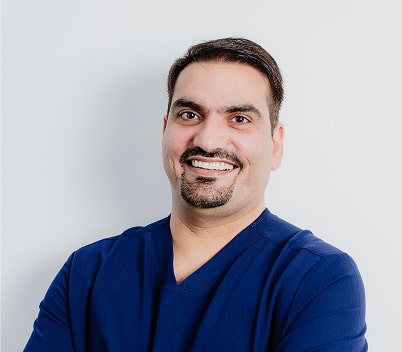
Dr Ahlawat is a certified Invisalign provider with experience across multiple countries, offering cosmetic dentistry, orthodontic treatment, and supportive care for patients who feel anxious about dental visits.
Credentials
FAQ
Frequently Asked Questions
How do I know if my wisdom teeth are impacted?
Signs that may indicate impacted wisdom teeth:
- You may notice pain or tenderness at the back of your mouth, particularly near the last molars.
- The gum tissue around where wisdom teeth are emerging can become swollen.
- Gums near the back teeth may appear inflamed or bleed when brushing.
- Difficulty opening your mouth fully or jaw stiffness can indicate impaction.
- An unpleasant taste or persistent bad breath may indicate infection around the impacted tooth.
- Headaches or jaw pain may extend towards your ear.
Do all wisdom teeth need removal?
- The teeth cause pain, infection, or damage to adjacent teeth.
- Your jaw doesn’t have enough room for them to emerge properly.
- The teeth are unable to break through the gums fully.
- Partially emerged teeth create pockets where bacteria accumulate, leading to infection.
- The wisdom teeth contribute to the crowding of your other teeth.
- Cysts or tumours have developed around the impacted teeth.
- Decay or gum disease can affect the wisdom teeth or nearby teeth due to limited access for cleaning.
What symptoms suggest wisdom teeth problems?
- You may experience persistent aching in the back of your mouth near the wisdom teeth area.
- Your gums around the back molars may become tender or swollen, or bleed when brushing.
- You might have trouble opening your mouth or chewing food comfortably.
- An unpleasant taste or persistent bad breath may occur despite regular brushing.
- Pain or stiffness may extend towards your ear or neck.
- Swelling may develop in your jaw or face on one or both sides.
- Headaches may originate from the jaw area.
If you experience these symptoms, your dentist will examine the area, take X-rays if needed, and discuss whether tooth removal is appropriate for your situation.
Is wisdom teeth removal painful?
What happens during oral surgery:
- Anaesthesia: Your dentist administers local anaesthesia to numb the area before beginning the extraction.
- Simple extractions: Teeth that have fully emerged can be extracted by loosening and pulling the tooth.
- Complex extractions: Impacted teeth may require the dentist to open the gum to access the jaw and extract the tooth in pieces.
Your dentist will provide guidance on managing discomfort after tooth removal, including medications and cold compresses. Discomfort decreases significantly after the first few days.
How long is the recovery period?
- Extraction complexity: Simple extractions heal faster than surgical extractions of impacted teeth.
- Number of teeth: Multiple extractions require more healing time than single extractions.
- Age: Younger patients often experience faster healing than older adults.
- Overall health: Your immune function influences how quickly your body heals.
- Post-operative care: How well you follow instructions significantly impacts recovery speed.
- Complications: Infection or dry socket can extend recovery time.
By the end of the first week, most people feel significantly better. Complete healing of the extraction sites takes several weeks to a few months as bone and tissue regenerate.
Will I need sedation for wisdom teeth removal?
Sedation options for wisdom teeth removal in Fremantle vary based on the procedure complexity and your individual needs.
For straightforward extractions where wisdom teeth have fully emerged, local anaesthesia is often used to numb the extraction site. More complex surgical extractions may involve additional sedation options.
Your dentist will discuss what’s available and appropriate for your specific situation during your consultation.
What foods can I eat after surgery?
Foods for the first few days:
- Soups and broths: These foods provide nutrition without requiring chewing; allow them to cool to lukewarm temperature before eating.
- Yoghurt, custard, and pudding: These options offer protein and are easy to consume without irritating the extraction sites.
- Mashed vegetables: Mashed potatoes, mashed pumpkin, and other pureed vegetables provide nutrients in a soft form.
- Smoothies and protein shakes: These drinks help maintain nutrition when chewing is difficult. Avoid using straws as the sucking motion can dislodge blood clots.
- Scrambled eggs and soft pasta: Cooked until very soft, these provide protein and can be eaten once initial healing begins.
Foods and behaviours to avoid:
- Avoid hard, crunchy, or sticky foods such as nuts, chips, popcorn, or lollies, as they can become lodged in extraction sites.
- Hot foods or beverages can increase bleeding and discomfort.
- Spicy or acidic foods may irritate healing tissues.
- Alcohol can interfere with healing and interact with medications.
- Avoid using straws and smoking until your mouth has healed.
How do I manage swelling after wisdom teeth removal?
Strategies to manage swelling:
- Apply ice packs to your face over the affected area for the first 48 hours, for 15-20 minutes at a time, with breaks in between.
- Keep your head elevated, even whilst sleeping, to reduce blood flow to the area.
- Take any prescribed anti-inflammatory medications as directed by your dentist.
- Avoid bending over or strenuous activity that increases blood pressure.
- Drink plenty of water, as proper hydration supports healing.
Can I drive home after wisdom teeth surgery?
Whether you can drive yourself home after wisdom teeth removal in Fremantle depends on the type of anaesthesia or sedation used.
If you receive only local anaesthesia, you remain fully alert throughout the procedure. Most patients can drive themselves home afterwards, though you should assess your comfort level before driving. You can resume most normal activities immediately.
If you receive any form of sedation beyond local anaesthesia, you cannot drive. You must arrange for someone to drive you to and from your appointment and stay with you for several hours afterwards.
Your dentist will explain which type of anaesthesia they plan to use during your consultation. Plan ahead so you can focus on recovery after your oral surgery appointment.
What risks are involved in wisdom teeth removal?
Common temporary effects:
- You may experience pain and discomfort in the extraction area during the healing process.
- Face and jaw swelling may occur and peak around days two to three.
- Minor bleeding or oozing from the extraction sites may occur for the first 24 hours.
- You may have difficulty opening your mouth fully for several days.
- Bruising may develop on the face or jaw a few days after the procedure.
- You may experience temporary numbness or altered sensation in the lip, tongue, or cheek from local anaesthesia.
- Dry socket: This complication occurs when the blood clot at the extraction site dislodges or doesn’t form properly, exposing bone and nerves. It causes significant pain and requires your dentist’s care.
- Infection: This complication can develop at the extraction site, causing increased pain, swelling, fever, or discharge; antibiotics may be needed.
- Nerve injury: This injury may occur if wisdom teeth are close to nerves in the jaw, causing temporary or, rarely, persistent numbness or tingling in the tongue, lip, or chin.
- Damage to adjacent teeth: This damage can happen during complex extractions, particularly when impacted wisdom teeth are positioned against neighbouring teeth.
- Sinus complications: These complications may develop when upper wisdom teeth are extracted, particularly if roots extend into the sinus cavity.
- Jaw stiffness: Temporomandibular joint discomfort can occur temporarily after the procedure.