
GENERAL DENTISTRY
Tooth Extractions in Fremantle for Dental Patients

What we do?
A Procedure to Remove Damaged or Problematic Teeth that Cannot Be Restored Through Alternatives
Understanding when to extract a tooth is important for maintaining oral health. Dental extraction becomes a consideration when a tooth is severely damaged by decay, infection, or trauma beyond what restorative options can address. Overcrowding, impacted teeth, or preparation for an orthodontic procedure may also indicate the need for removal. The procedure involves numbing the area, loosening the tooth, and carefully removing it from the socket.
Your dentist will assess your situation thoroughly and discuss whether extraction is the most suitable option for your oral health. Recovery following tooth extraction procedure appointments usually involves managing minor discomfort, following care instructions, and allowing the extraction site to heal properly.

RIGHT CANDIDATE
Who Are Suitable Candidates for Tooth Extraction Procedures?
Tooth removal consultations help determine when extraction may be appropriate. This assessment is based on factors such as the extent of damage, infection, or structural concerns that cannot be addressed by other means. Patients with overcrowded teeth, impacted wisdom teeth, or teeth that complicate orthodontic care may also benefit from extraction.
Your dentist will assess your individual situation, reviewing X-rays, examining the affected tooth, and discussing your symptoms and concerns to determine the most suitable approach.
Benefits
How Tooth Extractions May Help Manage Dental Concerns
By addressing teeth that pose ongoing problems, extraction may support overall oral health and may help prevent further issues in surrounding teeth and tissues. Your dental team will discuss the potential benefits and considerations specific to your situation during your consultation.
Any surgical or invasive procedure carries risks. Before proceeding, you should seek a second opinion from an appropriately qualified health practitioner.

Examples of Our Dental Work
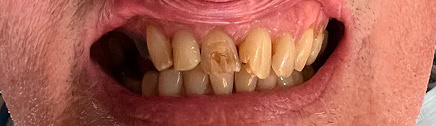
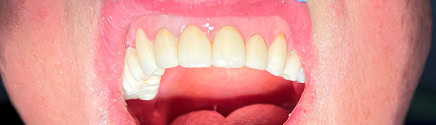
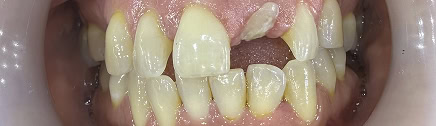
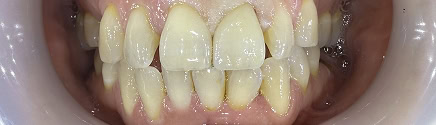
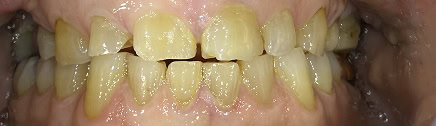
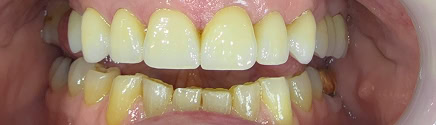
These images show examples of dental treatments completed at our clinic, demonstrating the range of care we provide for our patients.
Disclaimer: Individual results may vary. Images shown are of actual patients with consent.
WHAT MAKES US DIFFERENT
Why Choose On Point Dental?
Same-Day Emergency Appointments
Dental emergencies don't wait for convenient times. We prioritise urgent dental concerns by offering same-day appointments when you need prompt attention. Our team works to quickly accommodate emergency cases. We also offer FIFO-friendly scheduling options for workers with irregular rosters, so you can access dental care that fits your lifestyle and scheduling needs.
Latest Technology & Techniques
Our clinic uses current diagnostic tools and contemporary dental techniques to support accurate assessments and well-planned treatments. Digital imaging, scanning, and modern restorative methods help guide decision-making and enhance the efficiency of your appointments. These technologies enable our clinicians to monitor your oral health more effectively and provide clear explanations, helping you understand your treatment options with confidence.
All Treatments Done In-House
From routine check-ups and cleanings to complex procedures such as dental implants and veneers, we offer a comprehensive range of dental services at our clinic. This integrated approach means you can receive consistent care from familiar practitioners without needing referrals to multiple locations. Having all your dental treatments completed in-house offers convenience, continuity in your oral health management, and coordinated care across different procedures.
New Patient Special Offer
$299
Dental Package Available for New Patients: Complete Preventive Care Services in One Appointment
*New patients only. Cannot be combined with insurance claims.
See full terms and conditions.
Quality Dental Care that Fits Your Budget


HBF Member Plus Preferred Provider
- Eligible HBF Member Plus members can receive reduced gap payments on many dental services.
- We process your health fund claim on the spot, and you’ll pay only the gap amount.
- Our team can check your cover and provide an estimate of your out-of-pocket costs before treatment begins.
- Being a preferred provider means we meet HBF's quality and service standards, giving you added security in your care.
- HBF Member Plus preferred provider status allows eligible members to access reduced payments. Terms and conditions apply.


NIB First Choice Preferred Provider
- NIB First Choice members may receive higher benefits and lower gap payments when they visit our clinic.
- We submit your claim directly to NIB, making the process straightforward and reducing paperwork for you.
- Our reception team can explain your NIB benefits and help you understand what's included in your cover.
- We're committed to transparent pricing, so you'll know your expected costs before we start any treatment.






Flexible Payment Plans Available
Fund My Dental


YOUR FIRST VISIT
What to Expect When You Visit
On Point Dental
Schedule Your Visit
We Check: Teeth, gums, jaw joints, oral cancer screening, bite alignment, existing dental work
Fill Out Your Patient Forms
What to Bring: Health fund card, Medicare card (if applicable), list of current medications
Detailed Oral Assessment
We Check: Teeth, gums, jaw joints, oral cancer screening, bite alignment, existing dental work
Treatment Plan Discussion
Transparent Pricing: All costs explained upfront, payment plans available, health fund rebates calculated.
Begin Your Dental Care
Ongoing Care: Regular check-ups every 6 months, reminders sent, family appointments coordinated
THE TEAM
Our Friendly Team - Meet The Faces Behind Your Smile
Our dental team brings diverse training and experience to provide quality care, and they’re supported by our skilled dental assistants and administrative team, who help make your visit run smoothly.

Credentials




Credentials


Credentials
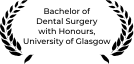


Dr Ahlawat is a certified Invisalign provider with experience across multiple countries, offering cosmetic dentistry, orthodontic treatment, and supportive care for patients who feel anxious about dental visits.
Credentials
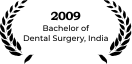


FAQ
Frequently Asked Questions
How long does it take to recover from a tooth extraction?
Here is a general recovery timeline you can expect:
- Days 1-3: You may experience peak swelling and discomfort during the first three days, which then gradually improve.
- Days 4-7: Most people feel significantly better during this period and can resume light activities comfortably.
- Weeks 2-4: Surface healing completes during these weeks, though the bone continues healing beneath the gum line.
- Months 2-3: Bone and tissue healing generally completes during this period, though you won’t notice this deeper process happening.
Can I go to work after a tooth extraction?
Here are general guidelines for returning to work based on your job type:
| Job Type | Recommended Time Off |
| Desk work or light duties | 1 day |
| Customer-facing roles | 2-3 days (due to possible swelling) |
| Physical labour or heavy lifting | 2-3 days minimum |
| Surgical/multiple extractions | 3-5 days |
How can I stay comfortable during a tooth extraction?
Here are some helpful tips to support your comfort before your tooth removal in Fremantle:
- Eat a light meal beforehand, as you’ll need to avoid eating for several hours afterwards.
- Wear comfortable clothing and consider bringing earphones if you find music helpful during procedures.
- Let your dentist know if you experience dental anxiety so they can discuss additional options.
- Establish a hand signal beforehand to help with communication if you need a break.
How soon can you eat after a tooth extraction?
It’s recommended to wait until the anaesthetic has worn off before eating, which typically takes 2-3 hours, though timing varies between individuals. Eating while your mouth is still numb increases the risk of accidentally biting your cheek or tongue.
Here is what you should know about eating after your extraction:
First 24 Hours
Wait for numbness to wear off, then start with soft, cool, or room-temperature foods. Good options include yoghurt, smoothies, mashed vegetables, eggs, or soft pasta. Avoid hot foods and drinks, as heat can dissolve the blood clot forming in the socket.
Days 2-7
Gradually reintroduce more varied foods as comfort allows. Continue avoiding very hard, crunchy, sticky, or chewy foods. Chew on the opposite side of your mouth from the extraction site when possible.
After Week 1
Most dietary restrictions can be relaxed once the area feels comfortable. Listen to your body and avoid foods that cause discomfort.
Can I talk normally after a tooth extraction?
Once sensation returns, many people find they can speak normally, though you may be more aware of the extraction site when moving your mouth. Individual experiences vary. If you’ve had multiple extractions or wisdom teeth extracted, you might experience more jaw stiffness, which can slightly affect speech for a few days.
There’s no reason you can’t talk after extraction, but keeping conversation to a minimum during the first few hours can help you focus on resting. This stiffness usually improves as swelling decreases and muscles relax, though recovery timing varies.
How many teeth can you extract at once?
It’s not uncommon for all four wisdom teeth to be extracted together, or for several damaged teeth to be extracted during one visit. Removing multiple teeth at once may be more efficient, though recovery from multiple extractions can be more extensive than single tooth removal.
Here are some important considerations for multiple extractions:
- Longer appointment time
- More pronounced swelling during recovery
- An extended recovery period is needed
- May require staged extractions for extensive work
Is it better to have a tooth extraction or get a filling?
Your dentist might need to make a small incision in the gum to access the remaining tooth structure or roots. In some cases, the tooth may need to be sectioned into smaller pieces for removal.
Despite these additional steps, broken teeth can still be extracted; it simply requires more time and careful technique. Complex extractions can be performed with appropriate anaesthesia and technique. If your dentist knows in advance that a tooth is broken, they can plan the appropriate approach for your appointment.
Are broken teeth harder to extract?
However, if decay has progressed too far, reached the tooth’s pulp, or compromised a significant portion of the tooth’s structure, extraction may be more practical. A tooth with extensive decay that receives a large filling can sometimes be prone to further problems or fracture.
Your dentist will consider several important factors when recommending care:
- Extent of decay or damage
- Remaining tooth structure strength
- Your oral health history
- Long-term prognosis for the tooth
What happens if a tooth extraction is left too long?
Here are some potential complications that can result from delaying tooth extraction:
- Infection Spread: Infection can spread to neighbouring teeth and gums, affecting healthy oral tissues around the problem tooth.
- Jawbone Damage: Damage to the jawbone can occur over time, which may complicate future tooth replacement options.
- Persistent Pain: Increased pain can affect your ability to eat, sleep, or concentrate on daily activities.
- Medical Risks: The risk of infection becoming a serious medical concern increases when unaddressed for extended periods.
What happens if a tooth extraction is left too long?
Here are some potential complications that can result from delaying tooth extraction:
- Infection Spread: Infection can spread to neighbouring teeth and gums, affecting healthy oral tissues around the problem tooth.
- Jawbone Damage: Damage to the jawbone can occur over time, which may complicate future tooth replacement options.
- Persistent Pain: Increased pain can affect your ability to eat, sleep, or concentrate on daily activities.
- Medical Risks: The risk of infection becoming a serious medical concern increases when unaddressed for extended periods.
How do I prepare for a tooth extraction appointment?
Here are the steps you should take before your tooth extraction appointment:
- You should eat a light meal before your tooth extraction appointment, as you won’t be able to eat for several hours afterwards.
- Inform your dentist about all medications you’re taking, including supplements and over-the-counter drugs.
- You’ll need to arrange transportation home if you’re receiving anything beyond local anaesthesia.
- Plan to wear comfortable clothing and rest for the remainder of the day after your procedure.
- You should stock up on soft foods like yoghurt, soups, and mashed vegetables for recovery.
- Prepare the necessary ice packs, gauze pads, and recommended pain relief medication at home.
- Set up a comfortable resting area with extra pillows to keep your head elevated.
- Consider having a friend or family member available to help you during the first 24 hours after your extraction.
What is dry socket, and how do I prevent it?
Here are some common signs that indicate you may have developed a dry socket:
- Intense Pain: You may experience intense pain starting 2-3 days after your extraction procedure.
- Radiating Discomfort: Pain may radiate to your ear, mimicking an earache.
- Unpleasant Taste or Smell: You might notice a bad taste or odour coming from your mouth.
- Visible Bone: The bone in the socket may become visible where the tooth was removed.
- Avoid Suction Actions: Avoid using straws, smoking, or forcefully spitting during the first week after extraction.
- Gentle Rinsing: Don’t vigorously rinse your mouth during the first 24 hours following your procedure.
- No Touching: Avoid touching the extraction site with your tongue or fingers, as this can dislodge the clot.
- Smart Eating Habits: Stick to soft foods and chew on the opposite side of your mouth away from the extraction site.
When can I resume normal activities after a tooth extraction?
Here is a helpful guide for when you can resume different activities:
| Activity Type | Wait Time |
| Light activities and desk work | 24-48 hours |
| Normal oral hygiene (avoiding the site) | After 24 hours |
| Strenuous exercise or heavy lifting | 3-5 days minimum |
| Swimming and water activities | At least 1 week |
| Normal diet (hard/sticky foods) | When the area feels comfortable (usually 1 week) |
For surgical extractions or multiple extractions, plan to rest for a full week before gradually resuming more demanding activities. Listen to your body—if an activity causes pain or you notice renewed bleeding, that’s a sign to wait longer. Your dentist can provide specific guidance based on your procedure and individual healing progress.
