
GENERAL DENTISTRY
Dental Fillings in Fremantle to Support Oral Health
Dental fillings in Fremantle restore damaged teeth, address decay, and help maintain your oral health through professional treatment tailored to your needs.

What we do?
Understand the Role of Dental Fillings in Addressing Tooth Decay
Dental fillings may help address tooth decay, damage, and structural concerns that can affect your oral health and overall dental function.
When tooth decay creates a cavity or when a tooth sustains damage, a filling can restore its structure and function. The procedure involves removing the decayed or damaged portion of the tooth and filling the space with appropriate material. This approach helps maintain the tooth’s strength while addressing the underlying concern. Tooth fillings in Fremantle are tailored to individual needs, taking into account factors such as the extent of decay, tooth location, and material preferences.
The dental filling procedure typically occurs during a single appointment, though more extensive restorations may require additional visits for any adjustments. Your dentist will assess your specific situation and discuss suitable options during your consultation.

RIGHT CANDIDATE
Who is the Right Candidate for Dental Fillings?
Dental fillings may be suitable for people experiencing tooth decay, minor fractures, or wear. If you have sensitivity when eating or drinking, visible holes in teeth, or discomfort when biting, a dental examination can determine whether a cavity filling may be appropriate.
Your dentist will examine your teeth and may take X-rays to assess the extent of any decay or damage. Not all tooth concerns require fillings; some may need alternative treatments.
Benefits
How Dental Fillings May Help Address Tooth Decay
The dental filling procedure can help address decay before it progresses, potentially reducing the need for more extensive treatment later. Fillings restore tooth structure, which may improve chewing function and reduce sensitivity in affected areas for many patients.
Tooth restoration through fillings may help maintain the tooth’s natural appearance, particularly when tooth-coloured materials are used. Modern filling materials are designed to withstand normal chewing forces, though longevity varies based on material type and individual oral hygiene habits.

PROVEN RESULTS & EXPERT CARE
Examples of Our Dental Work
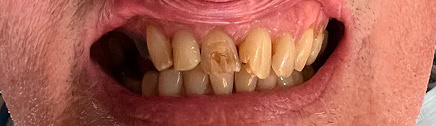
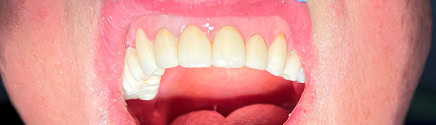
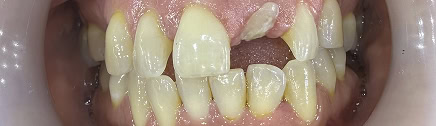
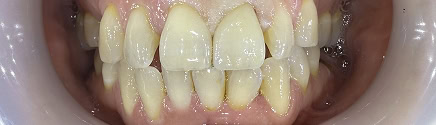
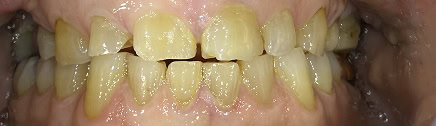
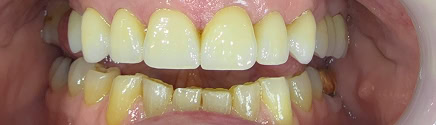
These images show examples of dental treatments completed at our clinic, demonstrating the range of care we provide for our patients.
Disclaimer: Individual results may vary. Images shown are of actual patients with consent.
WHAT MAKES US DIFFERENT
Why Choose On Point Dental for General Dentistry
Comprehensive In-House Services
Our Fremantle clinic provides general dental care in one location, including examinations, cleans, fillings and extractions. This coordinated approach supports continuity between appointments and reduces the need for external referrals. With your records held in a single clinic, treatment planning becomes more streamlined, and your ongoing oral health can be managed in a practical and organised way.
HBF and NIB Preferred Provider
As a preferred provider for HBF and NIB, and accepting other major health funds, we support patients in understanding their entitlements and claiming processes. Our team explains health fund covers clearly and helps you use your benefits appropriately. This transparent approach helps make dental care more accessible for individuals and families while keeping administrative steps straightforward during your visit.
Same-Day and FIFO-Friendly Appointments
We offer same-day appointments for urgent concerns and flexible scheduling options to support FIFO workers and families with varied routines. Located a short walk from Fremantle train station with nearby parking, our clinic is easy to reach for regular check-ups or unexpected dental needs. This helps make attending appointments more manageable, regardless of your work or lifestyle commitments.
New Patient Special Offer
$299
Dental Package Available for New Patients: Complete Preventive Care Services in One Appointment
*New patients only. Cannot be combined with insurance claims.
See full terms and conditions.
INSURANCE & PAYMENT OPTIONS
Quality Dental Care That Fits Your Budget
We work with major health funds and offer flexible payment options to help make dental care more accessible and manageable for our patients.


HBF Member Plus Preferred Provider
- Eligible HBF Member Plus members can receive reduced gap payments on many dental services.
- We process your health fund claim on the spot, and you’ll pay only the gap amount.
- Our team can check your cover and provide an estimate of your out-of-pocket costs before treatment begins.
- Being a preferred provider means we meet HBF's quality and service standards, giving you added security in your care.
- HBF Member Plus preferred provider status allows eligible members to access reduced payments. Terms and conditions apply.


NIB First Choice Preferred Provider
- NIB First Choice members may receive higher benefits and lower gap payments when they visit our clinic.
- We submit your claim directly to NIB, making the process straightforward and reducing paperwork for you.
- Our reception team can explain your NIB benefits and help you understand what's included in your cover.
- We're committed to transparent pricing, so you'll know your expected costs before we start any treatment.






Flexible Payment Plans Available
Fund My Dental


YOUR FIRST VISIT
What to Expect When You Visit On Point Dental
Our first appointment process is designed to be clear and thorough, allowing us to assess your oral health and discuss your treatment options in a relaxed, supportive environment.
Schedule Your Visit
Contact our friendly reception team by phone or through our online booking system to arrange your first appointment. We’ll find a time that suits your schedule and answer any initial questions you might have about your visit.
We Check: Teeth, gums, jaw joints, oral cancer screening, bite alignment, existing dental work
Fill Out Your Patient Forms
During your appointment, you’ll complete a health history form that helps us understand your medical background, current medications, and any dental concerns. This information allows us to provide care that’s appropriate for your individual circumstances.
What to Bring: Health fund card, Medicare card (if applicable), list of current medications
Detailed Oral Assessment
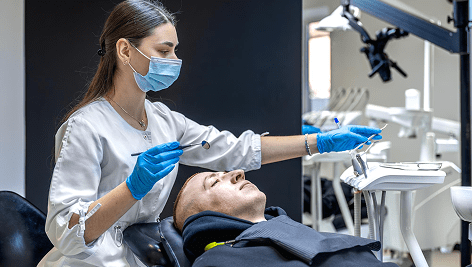
During your first visit, your dentist will conduct a thorough examination of your teeth, gums, and oral structures. This may include digital X-rays if needed to assess areas not visible during the visual examination, giving us a complete picture of your oral health.
We Check: Teeth, gums, jaw joints, oral cancer screening, bite alignment, existing dental work
Treatment Plan Discussion
Your dentist will discuss their findings with you and explain any areas of concern. If treatment is needed, we’ll talk through your options, answer your questions, and provide clear information about what each approach involves so you can make educated decisions about your dental care.
Transparent Pricing: All costs explained upfront, payment plans available, health fund rebates calculated.
Begin Your Dental Care
Once we’ve agreed on a treatment approach, we can often start addressing your dental needs at the same appointment for straightforward procedures. For more complex treatments, we’ll schedule follow-up appointments and provide you with the information you need to prepare.
Ongoing Care: Regular check-ups every 6 months, reminders sent, family appointments coordinated
THE TEAM
Our Friendly Team - Meet The Faces Behind Your Smile
Our dental team brings diverse training and experience to provide quality care, and they’re supported by our skilled dental assistants and administrative team, who help make your visit run smoothly.

Credentials




Credentials


Credentials



Dr Ahlawat is a certified Invisalign provider with experience across multiple countries, offering cosmetic dentistry, orthodontic treatment, and supportive care for patients who feel anxious about dental visits.
Credentials



FAQ
Frequently Asked Questions
If you’re considering dental fillings in Fremantle or have questions about the dental filling procedure, these answers may help address common concerns about tooth restoration and cavity treatment.
What is a dental filling?
A dental filling is a restorative treatment used to restore a tooth damaged by decay. When bacteria in your mouth produce acids that erode tooth enamel, a cavity (or hole) can form in the tooth. The filling process involves removing the decayed portion and replacing it with a durable material that seals the cavity and may help restore the tooth’s shape and function.
Common filling materials include composite resin (tooth-coloured), amalgam (silver), glass ionomer, and ceramic. Composite resin blends with your natural teeth and is often used for visible areas. Amalgam is strong and durable, typically used for back teeth. Glass ionomer releases fluoride. It is often used near the gumline or in baby teeth, while ceramic offers a natural appearance and is highly stain-resistant.
Your dentist at On Point Dental will recommend the most suitable material based on the location and size of the cavity. They will also consider your personal preferences and budget when discussing your options. The goal is to help restore your tooth’s function and protect it from further damage. If you’re seeking dental fillings in Fremantle, On Point Dental can discuss which material is most suitable for your needs.
Why do I need a dental filling?
You may need a dental filling if you have a cavity caused by tooth decay. Decay occurs when plaque (a sticky film of bacteria) builds up on your teeth and produces acids that break down enamel. If addressed early, a filling can restore the tooth and prevent the decay from progressing deeper into the tooth structure.
Common signs that you might need a dental filling include the following:
- Tooth sensitivity to hot, cold, or sweet foods
- Visible holes or dark spots on the tooth surface
- Pain when biting
- Persistent toothache
Sometimes cavities don’t cause noticeable symptoms, especially in the early stages. This is why regular dental check-ups can help detect decay before it becomes more significant.
Without treatment, decay can spread deeper and potentially reach the pulp (the soft tissue inside the tooth containing nerves and blood vessels). When decay reaches this area, it can cause pain, infection, or even tooth loss. Early intervention with a filling may help preserve your natural tooth structure and may reduce the likelihood of more complex procedures later.
What happens if I don't get a cavity filled?
If a cavity isn’t filled, the decay may continue to progress and can lead to several serious complications. The decay may spread deeper into the tooth and eventually reach the pulp (the soft tissue containing nerves and blood vessels), leading to significant pain and infection. Without treatment, you may face increasingly complex dental issues that affect both your oral health and overall well-being.
An unmanaged cavity can result in the following complications:
- Increased pain and sensitivity: As decay advances deeper into the tooth, discomfort often becomes more persistent, severe, and difficult to manage with over-the-counter pain relief.
- Infection and abscess formation: Bacteria can enter the pulp, leading to an infection that may develop into an abscess (a pocket of pus) and cause swelling, fever, and severe pain.
- Need for root canal therapy: When infection reaches the pulp, root canal treatment may be needed to remove the infected tissue and preserve the tooth.
- Tooth fracture: The weakened tooth structure becomes more prone to cracking or breaking, especially when chewing or biting hard foods.
- Spread of decay: Bacteria from one decayed tooth can spread to neighbouring teeth, increasing the risk of additional cavities and the need for multiple treatments.
- Potential tooth loss: In severe cases where the tooth cannot be preserved, extraction may be necessary, followed by tooth replacement.
Addressing decay early with tooth fillings in Fremantle may help reduce the risk of these outcomes and may help preserve your natural tooth structure. The earlier a cavity is detected and addressed, the simpler the procedure tends to be. If you’re experiencing tooth pain or sensitivity, we encourage you to book an appointment at On Point Dental.
Note: If extraction becomes necessary, this is considered an invasive procedure. Any invasive procedure carries risks. Before proceeding with extraction, you should seek a second opinion from an appropriately qualified health practitioner.
What are the signs that a dental filling needs replacing?
Over time, dental fillings can wear down, crack, or become loose, which may require replacement. Recognising these signs early can help you address issues before they become more complex. Your dentist can assess the condition of your filling during routine check-ups.
Common signs that your filling may need replacement include the following:
- Tooth sensitivity: You experience sensitivity to hot, cold, or sweet foods and drinks, which may indicate the filling has worn down or developed a gap between the filling and the tooth.
- Rough or jagged edges: You notice a rough or sharp edge on the tooth when running your tongue over it, suggesting the filling has cracked or chipped.
- Loose or missing filling: The filling feels loose when you touch it with your tongue, or it has fallen out completely, leaving the cavity exposed.
- Pain when biting: You feel pain or discomfort when biting or chewing food, which may suggest the filling is no longer properly sealed to the tooth.
- Visible discolouration: You see darkening or discolouration around the edges of the filling, which can indicate new decay forming underneath the filling material.
If you notice any of these signs and need tooth fillings in Fremantle, contact On Point Dental to schedule an examination. Your dentist can determine whether the filling needs restoration or replacement and provide appropriate treatment. Early attention may help prevent more extensive treatment later.
What are the different types of dental fillings available?
Several types of dental filling materials are available, each with advantages and considerations. The choice depends on factors such as the cavity’s location and size, your budget, and personal preferences. Your dentist will help you select the most appropriate option for your situation.
Here are the main types of filling materials and their characteristics:
Filling Type | Material | Used For | Lifespan | Appearance |
Composite Resin | Plastic and glass particles | Visible teeth, small to medium cavities | 5–10 years | Tooth-coloured, natural |
Amalgam | Silver, tin, copper, mercury | Back teeth, areas with heavy chewing | 10–15+ years | Silver, metallic |
Glass Ionomer | Acrylic and glass powder | Near the gumline, baby teeth | 5 years or less | Tooth-coloured, less durable |
Ceramic | Porcelain | Visible teeth, larger cavities | 15+ years | Natural, stain-resistant |
When considering tooth fillings in Fremantle, your dentist will discuss the pros and cons of each material with you. Composite resin fillings are tooth-coloured and blend well with natural teeth.
In contrast, amalgam fillings are strong and durable. Glass ionomer fillings release fluoride, which may help protect the tooth, and ceramic fillings offer aesthetics and durability. The right choice depends on your individual needs and circumstances.
How long does a dental filling procedure take?
A dental filling procedure typically takes between 30 and 60 minutes, depending on the size and location of the cavity. The appointment length can also vary based on the type of filling material used and the complexity of the work. Your dentist will provide an estimate based on your specific situation.
The procedure involves examination and preparation, application of local anaesthesia, removal of decay, cleaning and cavity preparation, placement of the filling material, and final shaping and polishing. Each step is important for creating a durable, comfortable filling. If you have multiple cavities, the appointment may take longer, or your dentist may recommend scheduling separate visits.
After the procedure, the anaesthetic will gradually wear off over the next few hours, and you’ll be able to return to your usual activities. You may want to wait until the numbness subsides before eating. Your dentist will provide specific aftercare instructions before you leave the clinic.
What happens during a dental filling appointment?
During a dental filling appointment, your dentist follows a structured process to restore your tooth effectively. Understanding each stage can help you feel more prepared and relaxed during your visit. At On Point Dental, we explain what’s happening at each step and check in with you throughout the procedure.
Here’s what you can expect during your appointment:
- Examination and assessment: Your dentist examines the affected tooth and may take X-rays to determine the extent of the decay and confirm that the treatment plan is appropriate for your situation.
- Discussion of findings: Your dentist discusses the examination findings with you, explains what the procedure involves, and answers any questions you may have about the treatment.
- Local anaesthesia application: A local anaesthetic is applied to numb the area around the tooth, helping you remain comfortable during the procedure while the dentist works on your tooth.
- Decay removal: Your dentist uses dental instruments to carefully remove the decayed portion of the tooth, clearing away all affected tissue to prevent further decay.
- Cavity cleaning and preparation: The cavity is cleaned thoroughly to remove bacteria and debris, and a bonding agent or liner may be applied to protect the deeper layers of the tooth.
- Filling placement: The chosen filling material is placed into the cavity and shaped to match the tooth’s natural contours; for composite resin fillings, a special light hardens the material in layers.
- Bite adjustment and polishing: Your dentist checks your bite to confirm the filling feels comfortable, makes any necessary adjustments, and polishes the filling to create a smooth surface.
The entire procedure typically takes 30 to 60 minutes, depending on the cavity’s size and location. At On Point Dental, we take time to help you feel informed and comfortable throughout your dental filling appointment.
How many dental fillings can be done in one visit?
The number of dental fillings that can be completed per visit depends on the location and size of the cavities, the complexity, and the comfort level. In some cases, it may be practical to address multiple cavities in a single appointment, especially if they are in the same area of your mouth.
If you have several cavities in the same area, your dentist may recommend addressing them together to reduce the number of appointments you need. However, if the cavities are in different areas or if the treatment is expected to take a long time, your dentist may suggest scheduling separate visits. This approach helps avoid fatigue and see to it that the work is completed carefully.
Your dentist will discuss the approach for your situation and take your preferences into account. If you have concerns about the length of the appointment or feel anxious about undergoing multiple procedures at once, let your dentist know. Your dentist can discuss options to create a treatment plan that suits your needs.
Do I need to prepare anything before getting a dental filling?
Most dental filling appointments don’t require extensive preparation, but there are a few steps you can take to help your visit go smoothly. Being prepared can help you feel more relaxed and allow your dentist to work efficiently. Here are some practical suggestions to consider before your appointment.
Before arriving for your dental filling, you may find these preparations helpful:
- Have a light meal beforehand: Eat something light before your appointment, as your mouth may be numb for a few hours afterwards, making it difficult to eat comfortably.
- Brush and floss your teeth: Clean your teeth thoroughly before your visit to help your dentist work more efficiently and keep your mouth fresh during the procedure.
- Arrive a few minutes early: Give yourself extra time to complete any necessary paperwork, use the restroom if needed, and settle in before your appointment begins.
- List your current medications: Inform your dentist about any medications you’re taking, including over-the-counter drugs and supplements, as some may affect the procedure or interact with anaesthesia.
- Prepare questions or concerns: Write down any questions or worries you have about the procedure so you can discuss them with your dentist at the start of your appointment.
- Arrange transportation if needed: If you’re feeling particularly anxious about the procedure, consider having someone accompany you or arrange transport home if sedation options are being used.
Why is my tooth sensitive after a dental filling?
It’s common to experience some sensitivity in the restored tooth immediately after receiving a filling. This sensitivity may occur when consuming hot, cold, or sweet foods and drinks, or when biting down.
Several factors can contribute to post-filling sensitivity, including the following:
- Nerve irritation from the procedure
- A filling that’s slightly higher than your natural bite
- Type of filling material used
- Depth of the cavity
Sensitivity typically subsides within a few days to a week as the tooth adjusts to the filling, though individual experiences may vary. The nerve tissue needs time to calm down after the procedure. During this period, you may want to avoid extremely hot or cold foods and drinks that could trigger discomfort.
However, you should contact your dental practitioner if sensitivity persists for more than a week or if you experience sharp pain when biting or chewing. You should also seek care if you notice swelling or a fever. These symptoms may indicate a problem with the filling or the underlying tooth that requires attention. Your dentist can adjust the filling if needed or investigate other factors contributing to the discomfort.
How many times can the same tooth be filled?
A tooth can be filled multiple times, but each filling detaches a small amount of tooth structure, which can weaken the tooth over time. The number of times a tooth can be filled depends on the following factors:
- Remaining tooth structure
- Size and location of cavities
- Quality of your oral hygiene
- Type of filling material used
Eventually, a tooth may no longer have enough structure to support a filling. When this happens, alternative treatments may be needed, such as crowns, inlays, onlays, or, in severe cases, extraction followed by tooth replacement options. Practising good oral hygiene can help preserve your tooth structure and reduce the need for repeated fillings.
If a filling is determined to be no longer suitable, they will discuss your options and recommend the most appropriate treatment. Your dentist will focus on helping you maintain your natural teeth for as long as possible and can discuss alternative treatment options when needed.
How long do dental fillings typically last?
The lifespan of a dental filling depends on the material used, the location of the filling, your oral hygiene habits, and the amount of wear the tooth experiences. Composite resin fillings may last 5 to 10 years, while amalgam fillings can last 10 to 15 years or longer. On the other hand, glass ionomer fillings typically last 5 years or less, and ceramic fillings may last 15 years or more with proper care.
Several factors influence how long your filling will last. Fillings in back teeth experience more chewing pressure and may wear down faster than those in front teeth. Regular brushing and flossing help prevent new decay around the filling edges. Limiting sugary and acidic foods may help protect both the filling and the surrounding tooth structure. Additionally, habits like teeth grinding or chewing on hard objects can damage fillings prematurely.
Regular dental check-ups allow your dentist to monitor the condition of your fillings and identify early signs of wear or damage. Practising good oral hygiene, avoiding hard foods, and wearing a mouthguard if you grind your teeth can help extend the life of your tooth restoration. Your dentist can provide guidance to help you maintain your fillings for as long as possible.
