
Cosmetic Dentistry
Dental Restorations with Porcelain Crowns in Fremantle

What we do?
Ceramic Tooth Caps Designed to Help Restore Damaged Teeth While About the Service Detail Title
Dental crowns in Fremantle address various concerns when the tooth structure becomes weakened. Large fillings, cracks, or damage from decay may leave teeth vulnerable. A crown fits over the prepared tooth like a cap, covering the visible portion above the gum line.
The dental crown procedure involves preparation, impression-taking, and laboratory fabrication. Porcelain materials can be colour-matched to surrounding teeth, helping crowns blend naturally. Each crown is made to fit your tooth based on measurements taken during your appointments. Your dentist will discuss whether crown placement is suitable for your individual circumstances during the consultation.

RIGHT CANDIDATE
Are You the Right Candidate for Dental Crowns?
Dentists recommend crowns when tooth structure becomes compromised beyond what fillings can address. Consultation determines suitability based on tooth condition, extent of damage, and your oral health.
Candidates often include those with large existing fillings that weaken remaining tooth structure, teeth with cracks or fractures, or teeth requiring protection following root canal procedures. Your dentist may also recommend crowns for teeth with significant aesthetic concerns. Your dentist will assess whether a crown meets your needs.
Benefits
How Porcelain Crowns May Help Restore Tooth Appearance
A tooth crown covers the visible portion of a damaged tooth, helping maintain function while addressing appearance concerns. Porcelain materials exhibit translucency similar to that of natural enamel.
Crowns can address discolouration, chips, cracks, or irregular tooth shape. A damaged tooth restoration, such as crown placement, may improve tooth appearance for many patients. Results vary between individuals based on tooth condition and oral health factors.

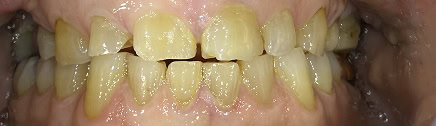
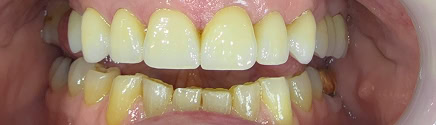
Examples of Our Dental Work
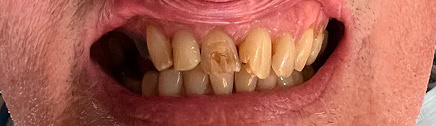
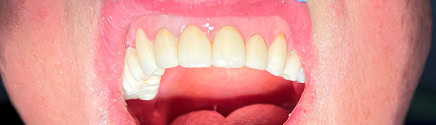
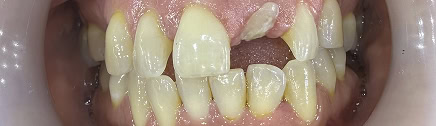
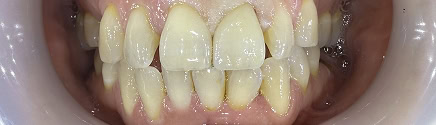
These images show examples of dental treatments completed at our clinic, demonstrating the range of care we provide for our patients.
WHAT MAKES US DIFFERENT
Why Choose On Point Dental for Dental Crowns
Range of Crown Materials
We offer various crown materials, including porcelain, ceramic, and porcelain-fused-to-metal, each with distinct characteristics in terms of strength, aesthetics, and suitability for different tooth positions. Our dentists assess factors like the tooth's location, your bite forces, and aesthetic expectations to recommend appropriate materials for your situation, explaining the advantages and considerations of each option.
Precise Crown Fabrication
Quality crown outcomes depend on accurate tooth preparation, precise impressions, and proper crown fabrication and fitting. We use digital technology where appropriate to support precision in these processes and work with dental laboratories that maintain high-quality standards. Our dentists pay attention to details like crown margins, bite alignment, and colour matching to achieve crowns that function properly and blend naturally.
Crowns for Multiple Purposes
Beyond restoring damaged teeth, crowns serve various purposes, including completing dental implant restorations, anchoring dental bridges, improving tooth appearance in cosmetic cases, and strengthening teeth after root canal treatment. Because we provide comprehensive dental services in-house, your crown treatment can be coordinated with these related procedures when needed, supporting integrated care and consistency across your treatment plan.
New Patient Special Offer
$299
Dental Package Available for New Patients: Complete Preventive Care Services in One Appointment
*New patients only. Cannot be combined with insurance claims.
See full terms and conditions.
Quality Dental Care that Fits Your Budget
We work with major health funds and offer flexible payment options to help make dental care more accessible and manageable for our patients.


HBF Member Plus Preferred Provider
- Eligible HBF Member Plus members can receive reduced gap payments on many dental services.
- We process your health fund claim on the spot, and you’ll pay only the gap amount.
- Our team can check your cover and provide an estimate of your out-of-pocket costs before treatment begins.
- Being a preferred provider means we meet HBF's quality and service standards, giving you added security in your care.


NIB First Choice Preferred Provider
- NIB First Choice members may receive higher benefits and lower gap payments when they visit our clinic.
- We submit your claim directly to NIB, making the process straightforward and reducing paperwork for you.
- Our reception team can explain your NIB benefits and help you understand what's included in your cover.
- We're committed to transparent pricing, so you'll know your expected costs before we start any treatment.






Flexible Payment Plans Available
Fund My Dental


YOUR FIRST VISIT
What to Expect When You Visit
On Point Dental
Schedule Your Visit
We Check: Teeth, gums, jaw joints, oral cancer screening, bite alignment, existing dental work
Fill Out Your Patient Forms
What to Bring: Health fund card, Medicare card (if applicable), list of current medications
Detailed Oral Assessment
We Check: Teeth, gums, jaw joints, oral cancer screening, bite alignment, existing dental work
Treatment Plan Discussion
Transparent Pricing: All costs explained upfront, payment plans available, health fund rebates calculated.
Begin Your Dental Care
Ongoing Care: Regular check-ups every 6 months, reminders sent, family appointments coordinated
THE TEAM
Our Friendly Team - Meet The Faces Behind Your Smile
Our dental team brings diverse training and experience to provide quality care, and they’re supported by our skilled dental assistants and administrative team, who help make your visit run smoothly.

Credentials




Credentials


Credentials



Dr Ahlawat is a certified Invisalign provider with experience across multiple countries, offering cosmetic dentistry, orthodontic treatment, and supportive care for patients who feel anxious about dental visits.
Credentials



FAQ
Frequently Asked Questions
What is a porcelain crown?
Porcelain crowns are made from dental ceramic that can be colour-matched to your surrounding teeth. A tooth crown can address various dental concerns while helping maintain tooth structure.
Your dentist may recommend a crown for:
- Large fillings: A tooth has a substantial filling that compromises the remaining tooth structure.
- Cracks or fractures: Teeth have cracks or fractures that may benefit from crown reinforcement.
- Root canal procedures: The procedure has been completed, and the tooth needs protection.
- Cosmetic concerns: Discoloured or misshapen teeth need aesthetic improvement.
- Dental implants: Implants need crowns to serve as the visible tooth replacement.
When do you need a porcelain crown?
Common situations include:
- Extensive decay: Decay has affected a large portion of the tooth.
- Weakened structure: Teeth have become fragile from multiple fillings or cracks.
- After root canal procedures: Teeth often need crowns to maintain structural integrity.
- Broken or chipped teeth: Significant breaks or chips have compromised tooth function.
- Worn teeth: Teeth have worn down from grinding or acid erosion.
Is a porcelain crown necessary after root canal treatment?
The recommendation varies based on several considerations:
- Tooth location: Back teeth experience greater chewing forces, making them more susceptible to fracture after root canal procedures.
- Remaining structure: Teeth with minimal remaining structure benefit from the reinforcement a crown provides.
- Tooth function: Teeth bearing significant chewing loads may need crowns to help withstand forces during normal function.
- Previous dental work: Teeth with large existing fillings or multiple restorations may need crowns for additional support.
Are porcelain crowns suitable for back teeth?
Your dentist considers:
- Chewing forces: Molars and premolars experience substantial force and require crowns that can withstand these pressures.
- Material options: All-porcelain crowns can be used, though some situations may benefit from other materials.
- Aesthetic needs: Back teeth visible when you smile may benefit from porcelain crowns that match natural tooth colour.
- Tooth position: Location, bite pattern, and available space influence material selection.
How long does the porcelain crown procedure take?
The timeline includes these stages:
- Initial preparation (60-90 minutes): Your dentist examines the tooth, prepares it for the crown by reshaping it, takes impressions or digital scans, and places a temporary crown for protection.
- Laboratory fabrication (1-2 weeks): Impressions are sent to a dental laboratory where technicians create your custom crown to match your specifications.
- Crown placement (45-60 minutes): Your dentist removes the temporary crown, checks the fit and appearance of your new crown, makes any needed adjustments, and cements it in place.
What happens during the porcelain crown appointment?
- First appointment – Tooth preparation:
Your dentist begins by numbing the area around the tooth for your comfort. The tooth is reshaped to create space for the crown to fit properly.
If the tooth has extensive damage or decay, your dentist may need to build up the tooth structure first using filling material.
Impressions or digital scans are taken to capture precise measurements. You’ll work with your dentist to select the appropriate shade to match your surrounding teeth.
A temporary crown is placed over the prepared tooth to protect it. For those considering porcelain crowns in Fremantle, this process takes approximately 60-90 minutes. - Between appointments: Your impressions are sent to a dental laboratory where technicians fabricate your custom crown over 1-2 weeks.
- Final appointment – Fitting your crown: Your dentist takes off the temporary crown and cleans the prepared tooth. The new crown is tried in place to check fit, bite, and appearance. Adjustments can be made at this stage if needed.
Does getting a porcelain crown hurt?
After the procedure, you may notice some sensitivity around the prepared tooth once the numbing wears off. This is common and varies from person to person. Some patients experience mild sensitivity while wearing the temporary crown, which should subside once the new crown is placed.
Most patients find that post-procedure sensitivity diminishes within a few days to weeks. If you experience persistent discomfort, contact your dental clinic for assessment.
How long do porcelain crowns last?
- Oral hygiene: Regular brushing, flossing, and professional cleanings help maintain the health of the area around the crown.
- Bite forces: Teeth grinding or clenching places extra stress on crowns and may lead to premature wear.
- Crown quality: Proper fit and precise positioning contribute to how long the crown functions effectively.
- Diet: Frequently chewing very hard foods can stress crowns and potentially cause chips or fractures.
Signs a crown may need replacement include persistent sensitivity, visible damage, looseness, or decay around margins.
Are porcelain crowns as strong as regular teeth?
Natural enamel is the hardest substance in the human body, with unique properties that allow it to withstand significant forces. Dental porcelain is strong and can withstand normal chewing forces. Modern materials have improved considerably. However, porcelain can be brittle and may chip or fracture under excessive force.
Most patients find porcelain crowns function well for everyday activities. To help maintain your crown, avoid very hard foods like ice or hard lollies. Don’t use your teeth as tools to open packages or bite nails.
If you grind teeth, wear a night guard to help protect crowns from excessive forces. Porcelain crowns provide functional tooth replacement that can last many years with appropriate care.
How often should porcelain crowns be checked?
During check-ups, your dentist examines several aspects:
- Crown integrity: The dentist checks for chips, cracks, or wear on the crown surface that could affect function or appearance.
- Crown margins: The area where the crown meets your natural tooth is examined for gaps, decay, or changes that could indicate problems.
- Surrounding gum tissue: The health of gums around the crown is assessed, as gum disease can affect both the crown and the underlying tooth.
- Bite alignment: Your dentist checks how the crown fits with your opposing teeth to confirm proper bite alignment.
- Underlying tooth: Your dentist monitors for signs of issues beneath or around the crown.
What happens if a porcelain crown falls off?
Take these immediate steps:
- Find the crown and check whether it’s intact or damaged by carefully examining it.
- Store the crown in a small container to bring to your appointment rather than wrapping it in tissue.
- Ring your dental clinic as soon as possible to schedule an appointment for assessment.
- Avoid chewing on that side of your mouth and be careful when brushing the area until your appointment.
- Don’t attempt to reattach the crown yourself; doing so may cause additional complications.
- Cement failure: The dental cement holding the crown may break down over time, particularly if the crown has been in place for many years.
- Decay beneath the crown: Decay developing at crown margins can compromise the fit and cause the crown to loosen or fall off.
- Bite changes: Changes in your bite or excessive forces from teeth grinding can affect crown stability over time.
- Eating sticky or hard foods: Very sticky or hard foods can dislodge crowns, especially if the cement has weakened.
How many times can a porcelain crown be replaced?
Here are common replacement scenarios:
- First replacement (after 10-20 years): The original crown has worn out or developed issues, and adequate tooth structure remains to support a new crown with minimal additional tooth preparation.
- Second replacement (after 20-35 years total): The first replacement crown needs updating, though the tooth structure is now more limited and may require more extensive preparation or alternative approaches.
- Third replacement (rare, after 35+ years): Very limited tooth structure remains, and your dentist may need to discuss whether another crown is feasible or if alternatives like implants are more appropriate.
- Early replacement (within 5-10 years): The crown has failed prematurely due to trauma, grinding, or decay, and replacement is possible if adequate tooth structure remains.
- Unable to replace: Tooth structure is too compromised from decay, fractures, or multiple previous preparations, and your dentist recommends extraction and implant or bridge as alternatives.
Do teeth go bad under porcelain crowns?
Problems can develop in these ways:
- Decay at margins: Bacteria can penetrate small gaps at the crown margin and cause decay in the underlying tooth structure if plaque isn’t regularly removed.
- Inadequate oral hygiene: Insufficient brushing and flossing around the crown allows plaque and bacteria to accumulate, which can lead to decay or gum disease.
- Gum recession: Gums that recede around a crown may expose previously covered tooth structure, creating new areas susceptible to decay if not cleaned properly.
- Crown defects: Poorly fitting crowns or those with compromised margins provide easier pathways for bacteria to reach the tooth beneath.
Attend regular dental appointments for professional cleanings. Contact your dentist if you notice sensitivity, bite changes, looseness, or visible changes at the crown margin.
Can I eat normally with a porcelain crown?
Approach these foods cautiously:
- Very hard foods: Ice, hard lollies, and unpopped popcorn kernels can potentially chip or crack porcelain crowns.
- Very sticky foods: Sticky lollies can potentially dislodge crowns, particularly if the cement has weakened.
- Tough foods: Foods requiring significant force to chew may place extra stress on crowns.
- Using teeth as tools: Opening packages or biting nails can damage both crowns and natural teeth.
Can porcelain crowns look natural?
Several factors affect crown appearance:
- Shade matching: Your dentist works with you to select a porcelain shade that matches your surrounding teeth using dental laboratory shade guides.
- Translucency: Natural teeth allow light to pass through the enamel, and quality porcelain materials can replicate this characteristic to some degree.
- Crown design: The shape, contours, and surface texture affect how natural the crown appears when positioned in your mouth.
- Gum line fit: How the crown margins fit at the gum line influences appearance and helps create a smooth transition between the crown and the tooth.
Porcelain crowns can look very natural, though they may not be identical to your natural teeth in every lighting condition. Many patients find their crowns blend well with their smile, though individual results vary. However, results vary between individuals based on factors including tooth condition, surrounding teeth, and individual expectations. Discuss your aesthetic concerns with your dentist during consultation.
What are the risks of having a porcelain crown?
Potential concerns that may occur include:
- Tooth sensitivity: Sensitivity to temperature or pressure may develop after crown placement and can persist for weeks or, in some patients, longer.
- Nerve irritation: Preparing a tooth for a crown involves altering the tooth structure, which, in rare cases, may irritate the nerve and require additional procedures.
- Crown damage: Porcelain crowns can chip or crack if subjected to excessive force from grinding teeth, biting very hard objects, or facial trauma.
- Allergic reactions: Reactions to materials used in crown fabrication or cementation may occur, though this is uncommon in most patients.
- Gum irritation: The gum tissue around a crown can become irritated or inflamed, particularly in the period following placement if oral hygiene isn’t maintained.
- Crown looseness or loss: Crowns can become loose or fall off if cement fails, decay develops underneath, or the crown fit becomes compromised over time.
- Decay under the crown: Decay can develop on underlying tooth structure if plaque accumulates at crown margins and proper oral hygiene isn’t maintained consistently.
Contact your dental clinic if you experience persistent pain, sensitivity, looseness, or other concerns after crown placement.
