
COSMETIC DENTISTRY
Discover Gum Contouring in Fremantle
Explore gum contouring in Fremantle—a procedure that may help address smile symmetry concerns for suitable patients. Our approach involves reshaping excess gum tissue to help achieve a more balanced appearance.

What we do?
Understanding Surgical Approaches Used to Modify Gum Levels in Dental Care
Gum contouring is a procedure that may help reshape the gumline, potentially improving the balance between your teeth and gums for some patients seeking a more symmetrical, proportionate appearance.
This procedure is often recommended when excess gum tissue covers part of your teeth, creating a “gummy smile” or uneven gumline. Using precise surgical or laser techniques, your dentist carefully removes or reshapes the tissue to better frame your teeth. Local anaesthesia is used to help maintain your comfort throughout the process.
At our Fremantle dental clinic, we tailor gum contouring treatments to suit each patient’s needs. Results may enhance both aesthetics and oral hygiene for some patients by making teeth and gum margins easier to clean through improved access for brushing and flossing. Individual outcomes vary.
Performed by: Dr Jeetash Kumar – General Dentist, AHPRA Registration No. DEN0002285548

RIGHT CANDIDATE
Could Gum Contouring Be Suitable for Your Situation?
If your gums appear uneven or cover too much of your teeth when you smile, gum contouring may be an option. This procedure is often chosen for cosmetic reasons, but can also help improve oral hygiene by making teeth easier to clean.
Your dentist will assess your oral health, gumline, and treatment goals before recommending treatment. Gum contouring isn’t suitable for everyone, especially if there are underlying gum concerns or medical conditions.
Benefits
What Potential Advantages Does Gum Contouring Offer Patients?
Gum contouring may improve the balance between your teeth and gums, enhancing the symmetry and appearance of your smile. Some patients choose this procedure for aesthetic reasons.
In certain cases, reshaping the gum line can support better oral hygiene by reducing hard-to-reach areas where plaque may accumulate. Your dentist will assess whether gum contouring suits your goals and oral health needs.

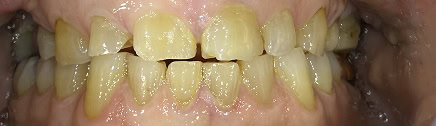
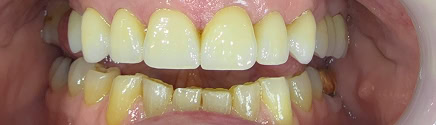
Examples of Our Dental Work
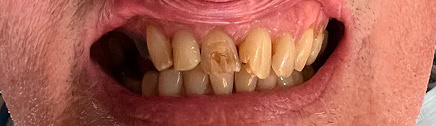
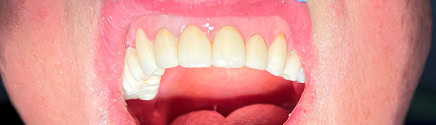
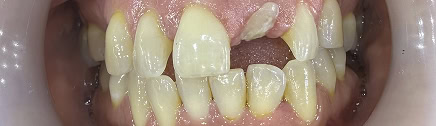
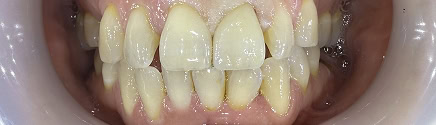
These images show examples of dental treatments completed at our clinic, demonstrating the range of care we provide for our patients.
Disclaimer: Individual results may vary. Images used with written patient consent. The referenced procedure is the only visible change in each image pair. Any surgical or invasive procedure carries risks. Before proceeding, you should seek a second opinion from an appropriately qualified health practitioner.
WHAT MAKES US DIFFERENT
Our Approach to Cosmetic Dental Treatments
Cosmetic dental treatment is a significant decision that requires careful consideration and thorough consultation. Here’s what we provide for cosmetic dental treatments at On Point Dental.
Personalised Treatment Planning
We take time to understand your goals and assess your oral health before recommending cosmetic options. Using digital tools to help visualise treatment options, we provide information to support your decision-making. Plans are developed based on your individual circumstances and budget, with consideration of both functional and aesthetic factors during the assessment process.
Cosmetic Dental Treatments Available
We offer cosmetic treatments including whitening, veneers, crowns and Invisalign. Having these options available in one clinic supports coordinated planning when more than one procedure is needed. This approach helps maintain consistency across each stage of care, allowing your cosmetic treatment to progress in a familiar setting with practitioners who already understand your overall oral health.
Flexible Payment Options Available
To support accessibility, we offer payment plan options to help make cosmetic treatments more accessible. Payment plans are provided through third-party finance providers and are subject to credit assessment and approval. Terms and conditions apply, including eligibility requirements, interest-free periods (where available), and repayment schedules. Our team can explain available options and provide complete terms and conditions. Treatment proceeds at the dentist's clinical discretion following a comprehensive assessment.
New Patient Special Offer
$299
Dental Package Available for New Patients: Complete Preventive Care Services in One Appointment
*New patients only. Cannot be combined with insurance claims.
See full terms and conditions.
Quality Dental Care that Fits Your Budget


HBF Member Plus Preferred Provider
- Eligible HBF Member Plus members can receive reduced gap payments on many dental services.
- We process your health fund claim on the spot, and you’ll pay only the gap amount.
- Our team can check your cover and provide an estimate of your out-of-pocket costs before treatment begins.
- Being a preferred provider means we meet HBF's quality and service standards, giving you added security in your care.
- HBF Member Plus preferred provider status allows eligible members to access reduced payments. Terms and conditions apply.


NIB First Choice Preferred Provider
- NIB First Choice members may receive higher benefits and lower gap payments when they visit our clinic.
- We submit your claim directly to NIB, making the process straightforward and reducing paperwork for you.
- Our reception team can explain your NIB benefits and help you understand what's included in your cover.
- We're committed to transparent pricing, so you'll know your expected costs before we start any treatment.






Flexible Payment Plans Available
Fund My Dental


YOUR FIRST VISIT
What to Expect When You Visit
On Point Dental
Schedule Your Visit
We Check: Teeth, gums, jaw joints, oral cancer screening, bite alignment, existing dental work
Fill Out Your Patient Forms
What to Bring: Health fund card, Medicare card (if applicable), list of current medications
Detailed Oral Assessment
We Check: Teeth, gums, jaw joints, oral cancer screening, bite alignment, existing dental work
Treatment Plan Discussion
Transparent Pricing: All costs explained upfront, payment plans available, health fund rebates calculated.
Begin Your Dental Care
Ongoing Care: Regular check-ups every 6 months, reminders sent, family appointments coordinated
THE TEAM
Our Dental Team - Our Qualified Dentists and Support Staff
Our dental team brings diverse training and experience to provide quality care, and they’re supported by our skilled dental assistants and administrative team, who help make your visit run smoothly.
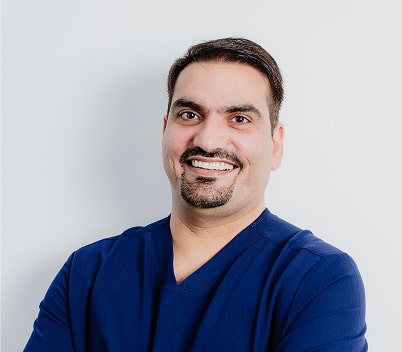
Credentials



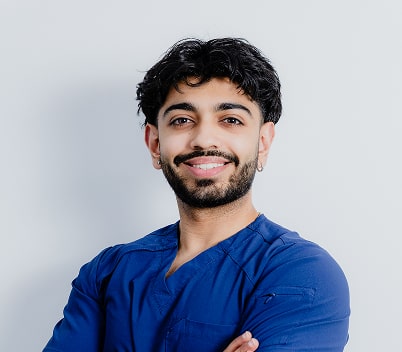
Credentials


Credentials


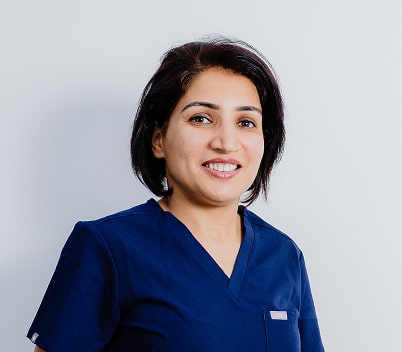
Dr Ahlawat is a certified Invisalign provider with experience across multiple countries, offering cosmetic dentistry, orthodontic treatment, and supportive care for patients who feel anxious about dental visits.
Credentials



FAQ
Frequently Asked Questions
These common questions provide clear, evidence-based information on gum contouring, helping you understand the procedure, recovery, and aftercare.
What exactly is gum contouring?
Gum contouring is a dental procedure that reshapes the gum line and may improve the appearance and proportion of your teeth. It involves carefully removing or repositioning excess gum tissue that may cover too much of your tooth surface. This treatment can address what’s sometimes called a “gummy smile,” in which the gums appear prominent when you smile. The procedure may also help create a more balanced, symmetrical gum line across your teeth.
During gum contouring, your dentist uses dental instruments to sculpt the gum tissue with precision and care. The procedure is performed under local anaesthetic to help keep you comfortable throughout the treatment. Modern techniques often involve laser technology, which may reduce healing time compared to traditional methods. Your dentist will assess your gum health and tooth structure before treatment to determine the most suitable treatment plan for your needs.
What level of discomfort can I expect during gum contouring?
Most patients experience minimal discomfort during the gum contouring procedure because we use a local anaesthetic to help numb the treatment area. You may feel some pressure or vibration during the procedure, but this is not painful. The anaesthetic helps keep you comfortable throughout, though the injection itself may cause brief, mild discomfort. Your dentist will check regularly that you’re adequately numbed before and during the procedure.
After the anaesthetic wears off, some tenderness in the addressed area is normal and usually manageable with over-the-counter pain relief. This discomfort generally peaks within the first 24-48 hours and gradually subsides over the following days. Most patients describe it as similar to minor gum sensitivity rather than sharp pain. If your discomfort worsens or doesn’t improve after a few days, contact your dentist for an assessment.
How long does a gum contouring procedure take?
The time required for gum contouring varies based on your treatment needs. Understanding the factors that influence procedure length can help you plan your visit.
- Treatment scope affects timing: A minor adjustment to one or two teeth may take as little as 30 minutes in a single appointment.
- Comprehensive gum reshaping: If multiple teeth require contouring or the gumline needs extensive reshaping, the procedure may take one to two hours.
- Technology can affect duration: Laser gum contouring often enables more precise work, though the time required still depends on the complexity of your case.
- Consultation establishes your timeline: During your initial assessment, your dentist will examine your gums and discuss how long your specific treatment is likely to take.
- Recovery considerations matter: While the procedure may be relatively quick, allow time after your appointment for any initial sensitivity to subside before returning to your usual activities.
Your dentist will provide a clear timeline during your consultation, based on your needs, to help you plan for both the procedure and your recovery. If you’re considering gum contouring in Fremantle, contact us today!
How long does it take to recover from gum contouring?
Recovery time from gum reshaping in Fremantle is often brief, with many people able to resume their usual routines within a few days. Understanding the healing timeline can help you plan accordingly and know what to expect at each stage.
- Initial Healing Phase: Most patients notice that their gums begin to heal within the first few days following the procedure. You may experience some tenderness, minor swelling, or sensitivity during this time, which is a normal part of the healing process.
- Return to Normal Activities: Many people feel comfortable returning to work and daily activities within one to two days after gum contouring. However, you may need to make some temporary adjustments to your oral care routine and diet during the initial recovery period.
- Complete Tissue Recovery: Full healing of the gum tissue typically occurs within one to two weeks, though this timeframe can vary among individuals. Your gums will settle into their new contour, and any residual sensitivity usually subsides during this period.
- Factors That Influence Recovery: Several factors can affect your healing timeline, including the amount of tissue removed, your overall oral health, and how closely you follow post-procedure care instructions. Patients who maintain good oral hygiene and avoid irritating the gum tissue often experience smoother recoveries.
- Managing Discomfort During Recovery: Any discomfort after a gum contouring procedure is usually mild and can often be managed with over-the-counter pain relief as recommended by your dentist. Your dental team will provide specific aftercare instructions to support healing and comfort during your recovery.
Your dentist will discuss what you can expect during your consultation and provide personalised aftercare guidance tailored to your treatment plan.
Can gum contouring be combined with other treatments?
Gum contouring can often be combined with other dental treatments as part of a comprehensive care plan. Your dentist may recommend pairing it with procedures such as teeth whitening, veneers, or crowns that may support balanced aesthetic outcomes. Combining treatments can help address multiple concerns in a coordinated way, potentially reducing the number of separate appointments needed. However, the suitability of combining procedures depends on your individual oral health, treatment goals, and your dentist’s clinical assessment.
The timing and sequence of combined treatments will be carefully planned to promote optimal healing and results. For example, gum contouring is often completed before placing veneers or crowns to facilitate proper fit and appearance. Your dentist will discuss which treatment combination may be appropriate for your specific situation during your consultation. They’ll explain the expected timeline, any additional considerations, and how each procedure may complement the others in your personalised treatment plan.
What changes can I expect after gum contouring?
After gum contouring, you may notice several changes to the appearance and health of your smile. The specific changes you experience will depend on your circumstances and the extent of the procedure. Here are some common changes patients may observe following gum contouring:
- Improved Gum-to-Tooth Proportion: Your teeth may appear longer or more evenly sized as excess gum tissue is carefully reshaped. This change in proportion can create a more balanced smile line that complements your facial features.
- More Symmetrical Smile Line: If your gum line was previously uneven, you may notice improved symmetry across your smile. The gum tissue is contoured to create a more uniform appearance from tooth to tooth.
- Enhanced Tooth Visibility: Teeth that were previously covered by excess gum tissue become more visible after the procedure. This increased visibility can make your smile appear more open and prominent.
- Temporary Sensitivity: You may experience sensitivity to temperature or touch in the gums during the initial healing period. This sensitivity usually subsides over the following weeks as the tissues heal.
- Initial Swelling and Tenderness: Swelling and tenderness in the gum tissue are common immediately after the procedure. These symptoms generally subside within a few days as healing progresses.
- Gradual Healing and Tissue Maturation: Your gums will continue to heal and settle into their new contour over several weeks. The final appearance of your gum line becomes more apparent as the tissue fully matures and any initial swelling subsides.
- Improved Oral Hygiene Access: With properly contoured gum tissue, you may find it easier to clean around your teeth effectively. Better access for brushing and flossing can support improved long-term gum health.
Your experience with gum contouring will be unique to your situation, and your dentist will discuss what specific changes you can realistically expect based on your treatment plan. We encourage you to ask questions during your consultation so you have a clear understanding of the anticipated outcomes and healing process.
Do health funds cover gum contouring?
Health fund benefits for gum contouring vary depending on your fund and the reason for the procedure. Some funds may provide partial benefits if gum contouring is deemed medically necessary, such as to address gum disease or functional issues. However, if the procedure is primarily cosmetic, most health funds do not provide benefits.
We recommend contacting your health fund directly before booking to confirm your level of cover. You can also speak with our team to obtain an item number for your reference. This helps you get accurate information about any potential gap payments or out-of-pocket costs. Understanding your cover in advance allows you to plan your treatment clearly and make informed choices.
What are the risks of gum contouring?
Like any dental procedure, gum contouring carries certain risks that patients should understand before proceeding. Your dentist will discuss these risks with you during your consultation and assess whether gum contouring is suitable for you.
- Sensitivity and Discomfort: You may experience temporary tooth sensitivity or gum tenderness following the procedure. This typically subsides within a few days to weeks as the tissue heals.
- Infection Risk: There is a small risk of infection at the treatment site. We provide detailed aftercare instructions to help minimise this risk. We will also schedule follow-up appointments to monitor your healing progress.
- Uneven Results: In some cases, the gum line may heal unevenly or not achieve the desired contour. Additional treatment may be required to refine the results.
- Gum Recession: Removing too much gum tissue can potentially lead to gum recession over time. This is why careful assessment and conservative treatment planning are essential.
- Tooth Sensitivity: Exposing more of the tooth surface can sometimes increase sensitivity to temperature or certain foods. This may be temporary or require ongoing management.
- Your dentist will discuss these risks with you during your consultation and assess whether gum contouring is suitable for your situation.
Before proceeding with gum contouring, your dentist will assess your oral health and discuss whether you are a suitable candidate for the procedure. Any surgical or invasive procedure carries risks, and you should seek a second opinion from a registered dental practitioner before making your decision. Dental practitioners performing gummy smile reduction must hold appropriate registration and training to execute the procedure competently and in accordance with professional standards.
How do I prepare for gum contouring?
Preparing for gum contouring involves a few straightforward steps to help facilitate a smooth procedure. Your dental team will guide you on what to expect and how to prepare for your appointment.
- Attend your initial consultation: Your dentist will examine your gums, discuss your concerns, and determine whether gum contouring is suitable for your needs. This is also when you can ask questions about the procedure and expected outcomes.
- Discuss your medical history: Inform your dentist about any medications you’re taking, medical conditions, or allergies. This information helps your dental team plan the most suitable treatment approach.
- Follow pre-procedure instructions: Your dentist may provide specific guidance, such as avoiding certain medications or eating beforehand. Following these instructions can help minimise potential complications.
- Arrange transportation if needed: If sedation is used during your procedure, you’ll need someone to drive you home afterwards. Confirm these details with your dental team during your consultation.
- Maintain good oral hygiene: Continue brushing and flossing as normal in the days leading up to your appointment. Healthy gums can support faster healing after the procedure.
- Avoid Alcohol and Smoking Before Treatment: Refrain from alcohol for at least 24 hours before your procedure, and avoid smoking if possible. Both substances can interfere with healing and may increase the risk of complications during recovery.
Your dental team will provide personalised preparation instructions based on your circumstances. If you have any questions before your appointment, don’t hesitate to contact the clinic.
When will I see the final appearance after gum contouring?
The initial appearance of your gums will be visible immediately after the procedure, though some swelling may affect the final look. Most swelling typically subsides within 7-10 days as your gum tissue heals. During this early healing phase, your gums may appear slightly different as tissues settle into their new contour. Your dentist will provide specific aftercare instructions to promote proper healing during this important period.
The final appearance generally becomes evident within four to six weeks, once healing is complete and tissues have fully settled. However, healing timelines vary among patients, depending on individual factors and the extent of contouring performed. Your dentist will schedule follow-up appointments to monitor your progress and assess gum healing. If you have concerns about your healing or appearance during recovery, contact the clinic for guidance and support.
How do I know if I need gum contouring?
Determining whether gum contouring is suitable for you involves considering both aesthetic concerns and functional factors. Here are some signs that gum contouring might be worth discussing with your dentist:
- Uneven gum line affecting your smile: Your gums may sit at different heights across your teeth, creating an asymmetrical appearance when you smile. This unevenness can make teeth appear different lengths, even when they’re actually similar in size.
Excessive gum tissue covering your teeth: You may notice that your gums cover a significant portion of your teeth, making them appear shorter than they are. This condition, sometimes called a “gummy smile,” can affect how you feel about your smile’s appearance.
Gum tissue extending onto tooth crowns: Your gums may have grown or remained positioned over parts of your teeth that should be visible. This can impact the look of your smile and, in some cases, make proper cleaning more difficult. - Previous gum disease or recession creating irregularities: Gum disease or natural recession can leave gum tissue at uneven levels. Gum contouring may help address these irregularities as part of your overall oral health plan.
- Difficulty maintaining oral hygiene due to gum positioning: In some cases, excess or irregular gum tissue can make it challenging to clean teeth effectively. This functional concern may make gum contouring a consideration for maintaining long-term oral health.
- Teeth appearing too short or disproportionate: Your teeth may look smaller than they should due to gum tissue cover rather than actual tooth size. Gum contouring can reveal more of your natural tooth structure where appropriate.
The first step in determining whether gum contouring is right for you is to book a consultation. Patients seeking gum reshaping in Fremantle can discuss treatment options with a registered dental practitioner who will assess their individual oral health and aesthetic goals.
Will gums grow back after contouring?
Gums do not grow back after contouring because the procedure precisely reshapes the gum line, potentially improving balance and aesthetics. The removed tissue does not regenerate, as the treatment involves precise gum sculpting. Healing focuses on maintaining healthy tissue around the teeth rather than regrowth. Proper oral hygiene and professional care help preserve results and prevent future gum concerns.
While gum contouring results are long-lasting, ongoing dental maintenance is essential to protect the gums and underlying bone. Your dentist will provide aftercare instructions tailored to your specific needs and healing process. Regular dental checkups help maintain healthy gums and a balanced smile. Patients considering gum contouring in Fremantle can discuss their goals and suitability during a personalised consultation with a qualified dental practitioner.
