
Cosmetic Dentistry
Dental Implants in Fremantle As A Tooth Replacement Option

What we do?
Titanium Posts SurgicallyPlaced Into Jawbone To Help Replace Missing Teeth And Support Restorations
The implant integrates with your bone through a process called osseointegration. This occurs over several months as the bone tissue grows around the titanium post. Once healing is complete, an abutment connects to the implant. A custom restoration is then attached to the abutment to complete the process.
This tooth replacement option differs from bridges or dentures because it does not rely on neighbouring teeth for support. The dental implant procedure involves multiple appointments over several months. Your dentist will assess your jawbone condition, overall health, and oral hygiene habits during the consultation. This helps determine whether implants are suitable for your needs.

RIGHT CANDIDATE
Is a Dental Implant Right for Your Situation?
Deciding whether implants suit your needs involves several factors. During a consultation, your dentist will evaluate your jawbone density, gum health, medical history, and lifestyle. Not everyone is a candidate for this procedure.
Certain conditions may affect your suitability. These include uncontrolled diabetes, heavy smoking, or insufficient bone volume. Your dentist can discuss whether preparatory procedures or alternative approaches may be more appropriate.
Benefits
Potential Benefits of Dental Implants for Tooth Replacement
Dental implants may offer several potential benefits for suitable candidates. They can help replace missing teeth without affecting adjacent natural teeth. The restoration is designed to function similarly to natural teeth.
Many patients find that implant-supported restorations allow them to eat a varied diet. Individual results vary based on factors including oral hygiene, bone quality, and overall health. Any surgical or invasive procedure carries risks.

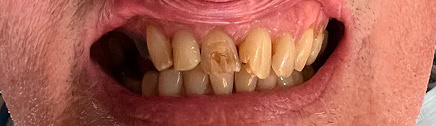
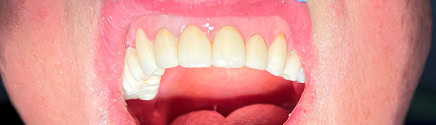
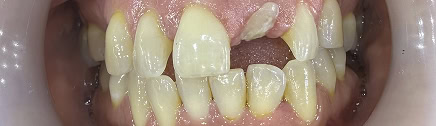
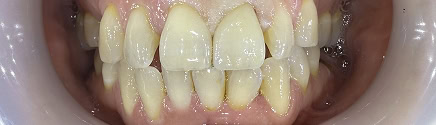
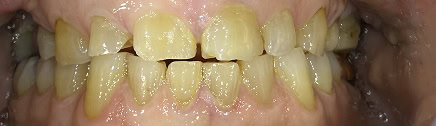
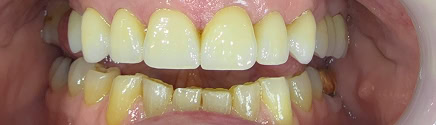
Examples of Our Dental Work
These images show examples of dental treatments completed at our clinic, demonstrating the range of care we provide for our patients.
Disclaimer: Individual results may vary. Images shown are of actual patients with consent.
WHAT MAKES US DIFFERENT
Why Choose On Point Dental for Dental Implants
Complete Implant Treatment In-House
Performed by: Dr Jeetash Kumar - General Dentist, AHPRA Registration No. DEN0002285548
We manage the full implant process in our Fremantle clinic, from assessment and planning to placement and restoration. Keeping treatment in one clinic supports consistent communication and coordinated timing between stages. As implant outcomes vary based on anatomy and healing, we discuss individual considerations to help you understand the overall treatment pathway and expected timelines.
Accessible Implant Options
We aim to make implant treatment accessible by accepting major health funds and offering payment plans with weekly repayments and interest-free periods. Terms and conditions apply, including eligibility requirements and lender approval. We provide clear cost estimates and explain coverage considerations to help you plan treatment in a transparent, organised way that supports your financial preferences.
Focus on Patient Comfort
We understand implant treatment may feel daunting, so we prioritise clear guidance and supportive care throughout each stage. Appointment structures aim to reduce waiting times, and we explain what to expect before and after procedures. While comfort levels vary between individuals, our team works to create a calm environment and address questions so patients feel well-supported.
New Patient Special Offer
$299
Dental Package Available for New Patients: Complete Preventive Care Services in One Appointment
*New patients only. Cannot be combined with insurance claims.
See full terms and conditions.
Quality Dental Care that Fits Your Budget


HBF Member Plus Preferred Provider
- Eligible HBF Member Plus members can receive reduced gap payments on many dental services.
- We process your health fund claim on the spot, and you’ll pay only the gap amount.
- Our team can check your cover and provide an estimate of your out-of-pocket costs before treatment begins.
- Being a preferred provider means we meet HBF's quality and service standards, giving you added security in your care.
- HBF Member Plus preferred provider status allows eligible members to access reduced payments. Terms and conditions apply.


NIB First Choice Preferred Provider
- NIB First Choice members may receive higher benefits and lower gap payments when they visit our clinic.
- We submit your claim directly to NIB, making the process straightforward and reducing paperwork for you.
- Our reception team can explain your NIB benefits and help you understand what's included in your cover.
- We're committed to transparent pricing, so you'll know your expected costs before we start any treatment.






Flexible Payment Plans Available
Fund My Dental


YOUR FIRST VISIT
What to Expect When You Visit
On Point Dental
Schedule Your Visit
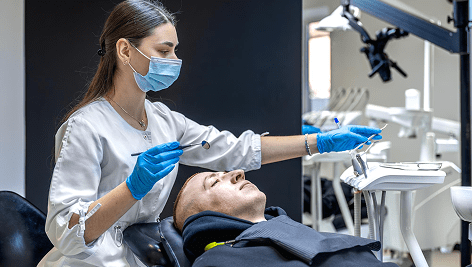
We Check: Teeth, gums, jaw joints, oral cancer screening, bite alignment, existing dental work
Fill Out Your Patient Forms
What to Bring: Health fund card, Medicare card (if applicable), list of current medications
Detailed Oral Assessment
We Check: Teeth, gums, jaw joints, oral cancer screening, bite alignment, existing dental work
Treatment Plan Discussion
Transparent Pricing: All costs explained upfront, payment plans available, health fund rebates calculated.
Begin Your Dental Care
Ongoing Care: Regular check-ups every 6 months, reminders sent, family appointments coordinated
THE TEAM
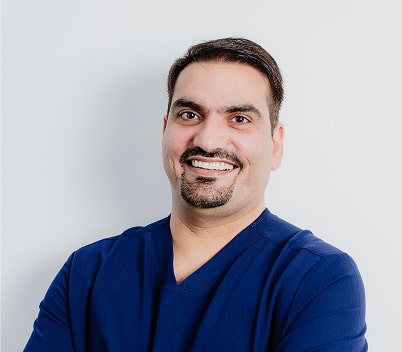
Our Friendly Team - Meet The Faces Behind Your Smile
Our dental team brings diverse training and experience to provide quality care, and they’re supported by our skilled dental assistants and administrative team, who help make your visit run smoothly.
Credentials




Credentials


Credentials


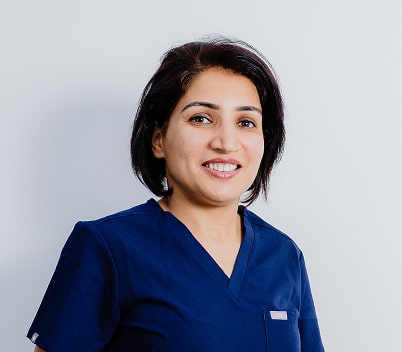
Dr Ahlawat is a certified Invisalign provider with experience across multiple countries, offering cosmetic dentistry, orthodontic treatment, and supportive care for patients who feel anxious about dental visits.
Credentials



FAQ
Frequently Asked Questions
Choosing how to address missing teeth raises many questions. We’ve covered the essentials to help you feel more informed.
What should I consider when deciding about dental implants?
When considering tooth replacement in Fremantle, you may want to think about:
- Overall health status: Your general health can affect how well the implant integrates with your jawbone.
- Jawbone condition: The density and volume of your jawbone may determine whether additional procedures are needed before implant placement.
- Oral hygiene habits: Your daily care routine plays a role in the long-term success of implants.
- Time commitment: The process includes multiple appointments over several months.
- Financial considerations: These include the upfront cost and potential payment plan options.
- Lifestyle factors: Your daily activities may influence which tooth-replacement approach works for your situation.
- Medication use: Any medications you take should be discussed with your dentist, as some can affect healing.
Who should not get a tooth implant?
Certain health conditions or circumstances may affect whether the dental implant procedure is appropriate for you:
- Uncontrolled diabetes: People with poorly managed blood sugar may experience slower healing and reduced success rates.
- Heavy smoking: Tobacco use significantly increases the risk of complications and implant failure.
- Severe gum disease: Individuals with this condition need to address it before considering implants.
- Radiation therapy: Those undergoing treatment in the head or neck area may need to delay the procedure.
- Certain medications: Bisphosphonates and similar drugs may increase the risk of complications.
- Insufficient bone density: People with inadequate jawbone volume may require bone grafting first.
- Incomplete jaw development: Younger patients whose jawbones are still growing may need to wait until growth is complete.
- Autoimmune conditions: Those with certain immune disorders should discuss potential complications with their dentist.
At what age might dental implants be considered?
For younger patients:
Most dentists recommend waiting until the jawbone has completed its growth. This often occurs between ages 18 and 21 in women and slightly later in men, though individual development varies. Placing implants before growth is complete can lead to complications as the jaw continues to develop.
For adult patients:
There’s generally no upper age limit for dental implants beyond the age when growth is complete. Many older adults successfully receive implants as long as they’re in reasonably good health. What matters more than age is jawbone condition, overall health, and oral hygiene maintenance.
When considering tooth replacement in Fremantle, your dentist will evaluate several key factors. These include bone density and quality, gum health and oral hygiene habits, medical conditions that might affect healing, and current medication use.
Your dentist can determine whether this approach is appropriate based on your individual health circumstances at any stage of adult life.
How long do you go without teeth when getting implants?
For most implant procedures, there are several approaches available:
- Immediate temporary teeth: In some cases, these can be placed on the same day as implant placement, helping you avoid obvious gaps.
- Traditional healing approach: This involves waiting 3-6 months after implant placement before attaching the final crown, during which time a temporary option may be provided.
- Removable temporary dentures: These can fill the gap during the healing period if immediate placement isn’t suitable.
- Modified existing dentures: Your current dentures may sometimes be adjusted to serve as temporaries while you heal.
How long does the dental implant process take from consultation to completion?
- Consultation and assessment (one visit, usually within a week of booking) During this appointment, the dentist examines the teeth and gums, reviews X-rays or scans, and discusses possible treatment options. This visit helps determine implant suitability and whether extractions or bone grafting are required before placement.
- Preparatory procedures if required (healing period about 6–12 weeks) Some patients need additional steps before implant placement, such as tooth removal or bone grafting. These procedures must heal fully to create a stable base for the implant.
- Implant placement (about 1–2 hours per implant) A small titanium post goes into the jawbone at the planned site under local anaesthetic. Mild swelling or tenderness may occur for a few days and usually settles with standard aftercare.
- Osseointegration (healing period of about 3–6 months) Over several months, the bone gradually bonds with the implant, creating strength and stability. Review appointments occur during this stage to check healing progress.
- Abutment placement (one short appointment, then 1–2 weeks of healing) After the implant integrates with the bone, a connector called an abutment attaches to it. The gum tissue then heals around the abutment, preparing for the final crown.
- Crown fabrication and fitting (2–3 appointments over 2–4 weeks) Once healing has occurred, impressions or digital scans are taken to create a crown that matches the bite and nearby teeth. The crown is then fitted and adjusted for comfort and appearance. This stage completes your tooth replacement in Fremantle, designed to help restore function and appearance. Individual outcomes vary.
- Follow-up and maintenance (scheduled reviews) After the crown is placed, follow-up visits monitor the health of the implant, gums, and surrounding bone. Regular professional cleaning and thorough oral care at home support long-term results.
What factors affect dental implant treatment duration?
The duration of missing tooth treatment using implants depends on:
- Number of implants: The quantity needed affects the overall complexity and time required.
- Bone quality and density: These factors determine whether preparatory procedures such as bone grafting are necessary.
- Implant location: The position of the missing tooth influences healing time.
- Overall health conditions: Diabetes or autoimmune disorders can affect healing speed.
- Smoking habits: Tobacco use significantly impacts healing time and may require longer monitoring.
- Existing infections or gum disease: These need to be addressed before implant placement can proceed.
- Implant system type: The specific protocol your dentist follows can vary the timeline.
- Individual healing response: Your body’s natural healing rate varies, making exact timelines difficult to predict.
What are the risks of dental implants?
Possible risks associated with the procedure to replace missing teeth include the following:
- Infection: Bacteria can enter the implant site during or after placement, potentially causing complications.
- Nerve damage: This may occur if the implant is placed too close to a nerve, potentially leading to numbness or tingling.
- Sinus problems: In some cases, upper jaw implants may protrude into the sinus cavities.
- Implant failure: This occurs in a small percentage of cases when the bone doesn’t integrate properly with the titanium post.
- Excessive bleeding: Some patients experience bleeding during or after the procedure that may require additional management.
- Damage to surrounding teeth: This can happen during placement if proper care isn’t taken.
- Post-operative discomfort: Pain and swelling are common in the days following the procedure, though they may be manageable with medication.
- Loose implants: These may occur if insufficient bone integration happens or if excessive force is applied too early.
How is patient comfort managed during the dental implant procedure?
When receiving dental implants in Fremantle, several approaches help support your comfort:
- Local anaesthetic: This numbs the treatment area for the procedure, similar to what’s used for other dental treatments.
- Sedation options: These may be available for patients who experience significant anxiety about dental procedures.
- Careful technique: The procedure is performed with attention to minimising tissue trauma.
- Post-operative medication: This is often prescribed to help manage any discomfort during the initial healing period.
- Ice packs and dietary guidance: These help reduce swelling and protect the surgical site during recovery.
- Detailed aftercare instructions: These guide you through managing any temporary sensitivity as you heal.
What are the differences between dental implants and dentures?
Key differences between these tooth replacement options include:
- Removability: Implants are surgically placed into the jawbone and remain in place, whilst dentures are removable appliances.
- Treatment timeline: The dental implant procedure requires surgery and several months of healing time, whereas dentures can often be fitted more quickly.
- Daily function: Implants remain in place and don’t require removal for cleaning, whilst dentures need to be taken out daily for cleaning and maintenance.
- Cost considerations: Implants require a larger upfront investment than dentures.
- Bone integration: Implants integrate directly with the jawbone through a process called osseointegration, whilst dentures rest on the gum tissue.
- Maintenance requirements: Implants need care similar to natural teeth, whilst dentures require special cleaning solutions and regular adjustments.
- Eating capacity: Implants integrate directly with the jawbone, whilst dentures rest on the gums. Some patients find that this affects their chewing experience, though modern denture technology has improved significantly.
What are the alternatives to dental implants?
Common alternatives for tooth replacement in Fremantle include:
- Dental bridges: These use adjacent teeth as anchors to support a prosthetic tooth, avoiding the need for surgery.
- Removable partial dentures: These can replace one or several missing teeth and can be taken out for cleaning.
- Complete dentures: These replace all teeth in an arch and rest on the gums without surgical placement.
- Implant-supported dentures: These combine the stability of implants with the coverage of dentures using fewer implant posts.
- Resin-bonded bridges: These attach to the backs of adjacent teeth with minimal tooth preparation.
What can patients typically expect regarding dental implant function?
When considering this missing tooth treatment, here’s what patients may experience:
- Chewing ability: The implant is anchored in the jawbone, which may allow you to eat a varied diet. However, your dentist may advise caution with very hard or sticky foods initially.
- Speech: Some patients notice minor adjustments to speech patterns at first. This often settles as you become accustomed to the restoration.
- Stability: Unlike removable dentures, implants remain steady in place. You won’t need to take them out for cleaning or worry about movement during meals.
- Sensation differences: Natural teeth have a periodontal ligament that senses pressure and position. Implants connect directly to bone, so the feedback feels slightly different. Most people adapt to this over time.
- Adjustment period: It may take several weeks to feel fully comfortable with your new restoration. This varies between individuals.
- Bite alignment: Your dentist will check and adjust the crown so it sits comfortably with your opposing teeth. Follow-up visits help fine-tune the fit.
Can you get dental implants with bone loss?
Dental implants need adequate bone volume and density to integrate successfully. When the bone has deteriorated, several options may be available:
- Bone grafting: These procedures can rebuild lost bone volume before implant placement, though this adds time to your treatment.
- Sinus lift procedures: These may be necessary for upper jaw implants when bone height is insufficient.
- Shorter or narrower implants: These might be suitable in some cases where bone dimensions are limited.
- Alternative implant designs: Zygomatic implants may be an option for severe upper jaw bone loss.
- Existing bone adequacy: The remaining bone may still be sufficient in some cases, even if some loss has occurred.
When is tooth replacement recommended?
When considering dental implants in Fremantle, you might want to think about tooth replacement in these situations:
- Functional challenges: A missing tooth affects your ability to chew comfortably or speak clearly in your daily life.
- Shifting teeth: You notice neighbouring teeth starting to shift or tilt towards the gap left by the missing tooth.
- Bone deterioration: You’re experiencing bone loss in your jaw where the tooth is missing, which can affect your facial structure over time.
- Visible gaps: They appear when you smile or talk, and some people choose to address this.
- Eating difficulties: You’re having trouble with certain foods because of the missing tooth.
- Increased wear: Adjacent teeth are showing increased wear from compensating for the missing tooth.
Do dental implants require special care?
Daily care for your missing tooth treatment with implants involves:
- Brushing twice daily: Using a soft-bristle toothbrush helps clean plaque from around the implant crown and gumline.
- Daily flossing: Flossing around the implant is important to prevent gum inflammation, just as with natural teeth.
- Antimicrobial mouthwash: Your dentist may recommend it to help reduce bacteria around the implant site.
- Regular dental check-ups: Visiting every six months allows your dentist to monitor the implant and surrounding tissues.
- Professional cleaning: This clears buildup that regular brushing might miss and helps maintain gum health.
- Food considerations: Avoiding extremely hard foods can help protect the crown from damage. Most patients can return to their usual diet after healing, though your dentist will provide specific guidance based on your situation.
- Smoking cessation: Not smoking supports long-term implant health, as tobacco use increases the risk of complications.
Can a dental implant be removed if there's a problem?
This might be considered in situations such as:
- Persistent infection: An infection develops around the implant that doesn’t respond to treatment.
- Osseointegration failure: The implant fails to integrate properly with the jawbone.
- Nerve damage: This causes persistent numbness or discomfort that affects your quality of life.
- Implant instability: The implant becomes loose or unstable despite attempts to address the issue.
- Health changes: Developments in your medical condition make it inadvisable to keep the implant.
Many complications can be addressed without taking out the implant—infections may respond to appropriate treatment, or loose crowns can be refitted.
How many teeth can dental implants replace?
- Single-tooth replacement: This uses a single implant with an individual crown, preserving adjacent healthy teeth.
- Multiple missing teeth: These can be addressed with separate implants for each tooth or with an implant-supported bridge.
- Consecutive gaps: Several missing teeth in a row may require two implants supporting a bridge rather than one implant per tooth.
- Full arch replacement: This can be achieved with as few as four to six implants supporting a complete set of teeth.
- Implant-supported dentures: These use several strategically placed implants to stabilise a full denture.
During your consultation, discuss how many teeth you need to address and your priorities regarding function, appearance, and budget.
Important Information
Any surgical or invasive procedure carries risks. Before proceeding, you should seek a second opinion from an appropriately qualified health practitioner. A consultation is required to assess your suitability for dental implants. Individual circumstances vary, and results may differ between patients.
This information is provided by [Practice Name], [Practice Address]. Principal Dentist: Dr [Dentist Name], Dentist – General Registration, AHPRA Registration Number: [Number]. For appointments or enquiries, contact us on [phone number].
