
Cosmetic Dentistry
Dental Crowns in Fremantle As Restorative Treatment Options
Dental crowns in Fremantle are designed to cover damaged teeth and may help restore their appearance and function for patients requiring tooth protection and strengthening.

What we do?
Tooth-Shaped Caps Placed Over Damaged Teeth Designed to Help Restore Appearance, Strength and Function
Crowns are custom-made to match the size, shape and colour of your surrounding teeth. The tooth crown Fremantle dentists place may be recommended when a tooth has extensive decay, fractures, or structural weakness that fillings cannot adequately address.
The dental crown procedure involves preparing the tooth surface, taking impressions, and placing a temporary crown while the custom restoration is fabricated. Once ready, the final crown is fitted and cemented onto the prepared tooth. This approach can help restore damaged tooth structure while maintaining function for eating and speaking. Each case varies depending on the individual tooth condition and requirements.

RIGHT CANDIDATE
Who May Be Suitable Candidates for Dental Crowns?
Patients with extensively decayed teeth, cracked or fractured teeth, or teeth weakened by large fillings may be suitable candidates for dental crowns. Those who have undergone root canal treatment often require crowns to protect the affected tooth from further damage.
Your dentist will assess your tooth structure, oral health, and treatment goals during the consultation. Factors such as gum health, bite alignment, and bone support influence suitability for crown placement.
Benefits
Potential Benefits of Dental Crowns for Tooth Restoration
Dental crowns may help protect weakened teeth from further fracture or decay. They may restore chewing function and improve appearance when teeth are discoloured, misshapen, or damaged. Crowns can also anchor dental bridges or cover dental implants.
The longevity of crowns varies depending on the material used, oral hygiene practices, and individual factors. Many patients experience improved confidence when eating and speaking after crown placement, though individual outcomes differ.

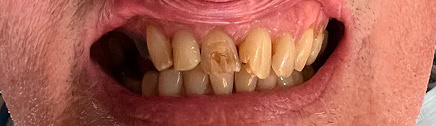
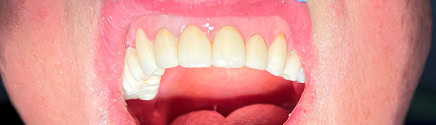
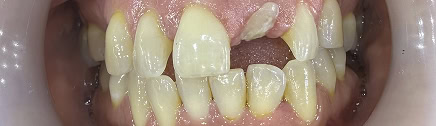
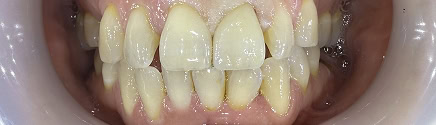
OUR SMILE GALLERY
Examples of Our Dental Work
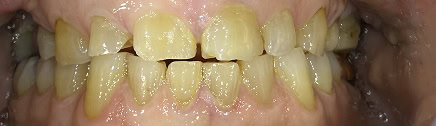
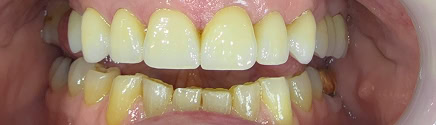
WHAT MAKES US DIFFERENT
Why Choose On Point Dental for Dental Crowns
Range of Crown Materials
We offer various crown materials, including porcelain, ceramic, and porcelain-fused-to-metal, each with distinct characteristics in terms of strength, aesthetics, and suitability for different tooth positions. Our dentists assess factors like the tooth's location, your bite forces, and aesthetic expectations to recommend appropriate materials for your situation, explaining the advantages and considerations of each option.
Precise Crown Fabrication
Quality crown outcomes depend on accurate tooth preparation, precise impressions, and proper crown fabrication and fitting. We use digital technology where appropriate to support precision in these processes and work with dental laboratories that maintain high-quality standards. Our dentists pay attention to details like crown margins, bite alignment, and colour matching to achieve crowns that function properly and blend naturally.
Crowns for Multiple Purposes
Beyond restoring damaged teeth, crowns serve various purposes, including completing dental implant restorations, anchoring dental bridges, improving tooth appearance in cosmetic cases, and strengthening teeth after root canal treatment. Because we provide comprehensive dental services in-house, your crown treatment can be coordinated with these related procedures when needed, supporting integrated care and consistency across your treatment plan.
New Patient Special Offer
$299
Dental Package Available for New Patients: Complete Preventive Care Services in One Appointment
*New patients only. Cannot be combined with insurance claims.
See full terms and conditions.
HEALTH FUNDS & PAYMENT OPTIONS
Quality Dental Care that Fits Your Budget
We work with major health funds and offer flexible payment options to help make dental care more accessible and manageable for our patients.


HBF Member Plus Preferred Provider
- Eligible HBF Member Plus members can receive reduced gap payments on many dental services.
- We process your health fund claim on the spot, and you’ll pay only the gap amount.
- Our team can check your cover and provide an estimate of your out-of-pocket costs before treatment begins.
- Being a preferred provider means we meet HBF's quality and service standards, giving you added security in your care.


NIB First Choice Preferred Provider
- NIB First Choice members may receive higher benefits and lower gap payments when they visit our clinic.
- We submit your claim directly to NIB, making the process straightforward and reducing paperwork for you.
- Our reception team can explain your NIB benefits and help you understand what's included in your cover.
- We're committed to transparent pricing, so you'll know your expected costs before we start any treatment.






Flexible Payment Plans Available
Fund My Dental


YOUR FIRST VISIT
What to Expect When You Visit
On Point Dental
Schedule Your Visit
We Check: Teeth, gums, jaw joints, oral cancer screening, bite alignment, existing dental work
Fill Out Your Patient Forms
What to Bring: Health fund card, Medicare card (if applicable), list of current medications
Detailed Oral Assessment
We Check: Teeth, gums, jaw joints, oral cancer screening, bite alignment, existing dental work
Treatment Plan Discussion
Transparent Pricing: All costs explained upfront, payment plans available, health fund rebates calculated.
Begin Your Dental Care
Ongoing Care: Regular check-ups every 6 months, reminders sent, family appointments coordinated
THE TEAM
Our Friendly Team - Meet The Faces Behind Your Smile
Our dental team brings diverse training and experience to provide quality care, and they’re supported by our skilled dental assistants and administrative team, who help make your visit run smoothly.

Credentials




Credentials


Credentials



Dr Ahlawat is a certified Invisalign provider with experience across multiple countries, offering cosmetic dentistry, orthodontic treatment, and supportive care for patients who feel anxious about dental visits.
Credentials



FAQ
Frequently Asked Questions
Below are answers to common questions about dental crowns in Fremantle. For personalised advice regarding your dental needs, please contact our clinic.
What is a dental crown, and when is it needed?
A dental crown is a tooth-shaped restoration that covers the entire visible portion of a tooth above the gum line. Crowns are designed to strengthen, protect, and restore teeth that cannot be adequately addressed with fillings alone.
Crowns may be needed in several situations:
- Extensive tooth decay:
When decay affects a large portion of the tooth structure, leaving insufficient healthy tooth to support a filling. - Cracked or fractured teeth:
Teeth with significant cracks or fractures that compromise structural integrity may benefit from crown coverage. - After root canal procedures:
Following root canal therapy, teeth often become more brittle and require crown protection to prevent fracture. - Large existing fillings:
Teeth with very large fillings that have weakened the remaining tooth structure may need crown reinforcement. - Severe tooth wear:
Teeth worn down from grinding, acid erosion, or other factors may require crowns to restore proper height and function. - Cosmetic concerns:
Severely discoloured, misshapen, or poorly formed teeth can be covered with crowns to improve appearance. - Dental bridge support:
Crowns are placed on teeth adjacent to missing teeth to anchor a dental bridge. - Dental implant restoration:
Crowns are attached to dental implants to replace missing teeth.
Your dentist will examine your tooth condition and discuss whether a crown is appropriate for your situation.
What materials are dental crowns made from?
Dental crowns can be fabricated from various materials, each with different properties, appearance characteristics, and applications. The material choice depends on the tooth location, bite forces, aesthetic requirements, and individual patient factors.
Common crown materials include:
- Porcelain-fused-to-metal (PFM):
These crowns have a metal substructure covered with porcelain. They offer reasonable strength and acceptable aesthetics, though the metal margin may sometimes be visible near the gum line. - All-ceramic or all-porcelain:
Made entirely from ceramic materials, these crowns provide good aesthetic results with natural colour matching. They suit front teeth where appearance is important, though they may be less suitable for back teeth subjected to heavy chewing forces. - Zirconia:
This strong ceramic material combines durability with natural appearance. Zirconia crowns can withstand significant bite forces while maintaining aesthetic qualities. - Gold alloy:
Gold and other metal alloy crowns are durable and require less tooth reduction during preparation. They are often used for back teeth, where appearance is less visible. - Base metal alloys:
These non-precious metal alloys are strong and corrosion-resistant. They require minimal tooth structure reduction but lack the natural appearance of a tooth.
Your dentist will recommend suitable materials based on the tooth position, your bite pattern, aesthetic preferences, and budget considerations.
How is a dental crown different from a filling?
Dental crowns and fillings serve different purposes and are used in different clinical situations. Understanding these differences helps in recognising why your dentist may recommend one approach over another.
Key differences include:
- Coverage extent:
Fillings restore only the decayed or damaged portion of a tooth, leaving most of the natural tooth structure intact. Crowns cover the entire visible tooth surface above the gum line. - Tooth preparation:
Fillings require the reduction of only the decayed or damaged tissue. Crowns require the reduction of the entire tooth surface to create space for the crown thickness. - Structural support:
Fillings rely on the remaining tooth structure for support. Crowns provide comprehensive coverage that can strengthen and protect weakened teeth. - Fabrication method:
Fillings are placed directly into the prepared tooth cavity in a single appointment. Crowns usually require impressions and laboratory fabrication, involving temporary crown placement after tooth preparation. - Material composition:
Fillings commonly use composite resin, amalgam, or glass ionomer materials. Crowns are made of porcelain, ceramic, metal, or a combination of these materials. - Longevity:
Crowns often remain functional for extended periods when supported by good oral care and regular dental reviews. - Indication:
Fillings are suitable for small to moderate tooth decay or damage. Crowns are recommended when tooth structure is extensively compromised, after root canal procedures, or when teeth require significant reinforcement.
Your dentist will assess the extent of tooth damage and recommend the most appropriate restoration.
Can a dental crown be placed on any tooth?
Most teeth can receive crowns, provided adequate tooth structure remains and surrounding tissues are healthy. However, certain conditions may affect crown suitability or require additional procedures before crown placement.
Factors influencing crown placement include:
- The amount of remaining tooth structure after decay or fracture determines whether sufficient foundation exists for crown retention.
- Root condition affects crown viability, and root canal procedures may be needed before crown placement if infection or damage is present.
- Gum health must be adequate, with no active periodontal disease present, as healthy gums support long-term crown success.
- Adequate bone support around the tooth root is necessary to provide stability for the crowned tooth.
- Bite alignment influences crown placement, and orthodontic treatment may be beneficial before crowns if significant misalignment is present.
- Suficient space between opposing teeth is required to accommodate crown material thickness without interfering with bite function.
Severely damaged teeth with extensive decay extending below the gum line may require crown lengthening procedures to expose adequate tooth structure. Teeth with insufficient remaining structure may require a post-and-core build-up before crown placement.
In cases where teeth cannot support crowns due to advanced damage, extraction and replacement with implants or bridges may be considered. Your dentist will evaluate these factors during examination and discuss whether crown placement is feasible or if preliminary procedures are necessary.
Do dental crowns feel like natural teeth?
Well-fitted dental crowns in Fremantle may feel similar to natural teeth once you adjust to them, though there may be an initial adaptation period. The dental crown procedure aims to create restorations that function comfortably within your bite pattern.
Most patients adapt to their crowns within a few days to weeks. Initially, you may notice the crown feels slightly different when chewing. You may also be more aware of it with your tongue. These sensations often diminish as you become accustomed to the restoration.
Properly designed and fitted crowns should not cause ongoing discomfort or interfere with normal eating, speaking, or oral hygiene activities.
If a crown continues to feel uncomfortable, feels too high when biting, is sharp on the edges, or becomes loose after the initial adjustment period, contact your dentist. These issues may indicate the crown requires adjustment or that the fit needs refinement. Regular follow-up appointments allow your dentist to monitor if the crown functions properly and address any concerns.
What is the process for getting a dental crown?
The process for receiving a tooth crown in Fremantle occurs over two or more appointments, though techniques vary depending on the specific situation and whether same-day crowns are available.
The standard process includes these steps:
- Initial examination and planning:
Your dentist examines the tooth, takes X-rays, and discusses options, materials, and costs with you. - Tooth preparation:
The tooth is reshaped to create space for the crown. If extensive decay exists, it is addressed first. Local anaesthetic provides comfort during preparation. - Impression-taking:
Detailed impressions or digital scans capture the prepared tooth shape and the bite relationship. These records guide crown fabrication. - Temporary crown placement:
A provisional crown protects the prepared tooth while the custom crown is being made, usually taking one to two weeks. - Shade selection:
Your dentist selects a crown colour that matches your surrounding teeth for a natural appearance. - Laboratory fabrication:
A dental laboratory technician creates your custom crown based on the impressions and specifications provided. - Temporary crown assessment and tooth cleaning:
At the second appointment, the temporary crown is assessed, and the tooth surface is cleaned. - Final crown fitting and adjustment:
The new crown is tried in, checked for fit, bite, and appearance, then adjusted as needed. - Cementation:
Once satisfied with the fit, your dentist cements the crown onto the prepared tooth.
Some dental clinics offer same-day crown technology, which can complete the process in a single appointment using digital scanning and in-office milling. Your dentist will explain which approach is available and appropriate for your situation.
How long does the dental crown procedure take?
The time required for crown work varies based on several factors. Understanding what influences duration helps you plan accordingly and know what to expect.
Factors affecting procedure duration include:
- Complexity of tooth preparation:
Extensive decay work, root canal procedures, or post-and-core placement before crown preparation adds time to the overall process. - Impression method:
Traditional physical impressions may take longer than digital scanning techniques, which can capture tooth details more quickly. - Laboratory fabrication time:
Standard laboratory-made crowns usually require one to two weeks for fabrication between appointments. Rush orders may be available at an additional fee. - Same-day crown technology:
Dental clinics with CAD/CAM systems can design, mill, and place crowns in a single appointment lasting around two to three hours. - Number of teeth:
Multiple crowns require longer appointment times for preparation and placement than single-crown procedures. - Adjustments needed:
If extensive modifications are required for proper fit and bite alignment, additional time at the placement appointment may be necessary. - Temporary crown issues:
If temporary crowns come loose or cause problems between appointments, unscheduled visits may extend the overall timeframe.
The initial preparation appointment for a single crown often lasts 60 to 90 minutes. The final placement appointment usually takes 30 to 60 minutes. Your dentist will provide specific timeframe estimates based on your individual plan.
How should I prepare for a dental crown appointment?
Proper preparation helps your crown appointment proceed smoothly and comfortably. Following these suggestions can help optimise your experience.
Preparation steps include:
- Maintain oral hygiene:
Brush and floss thoroughly before your appointment. Clean teeth make the procedure easier and reduce bacteria in the work area. - Eat beforehand:
Have a meal before your appointment since your mouth will be numb for several hours afterwards, making eating difficult. - List your medications:
Inform your dentist about all medications, supplements, and health conditions. Some medications may affect anaesthetic choice or approach. - Arrange transportation:
If you are anxious about dental procedures or if sedation is planned, arrange for someone to drive you home after the appointment. - Plan your schedule:
Allow sufficient time for your appointment without rushing. Bring entertainment such as music or podcasts if lengthy procedures make you anxious. - Discuss concerns:
If you have questions about the procedure, materials, costs, or recovery, write them down and ask before work begins. - Avoid alcohol:
Do not consume alcohol before dental appointments, as it can interfere with anaesthetics and increase bleeding risk. - Take prescribed medications:
If your dentist has prescribed antibiotics or other medications to take before the appointment, follow instructions carefully.
For the second appointment, when the final crown is placed, inspect your temporary crown before leaving home. If it has come loose or feels uncomfortable, notify the dental office so they can allocate extra time to address the issue.
Can I eat after a dental crown is placed?
Eating after crown placement depends on whether you have a temporary or final crown and whether anaesthetic was used. Following appropriate dietary guidelines helps protect your new restoration and promotes comfortable recovery.
After temporary crown placement:
- Wait until numbness from the local anaesthetic wears off before eating to avoid accidentally biting your cheek, tongue, or lips.
- While temporary crowns are designed to function adequately, they are not as strong as final crowns.
- Avoid sticky foods such as caramel, chewing gum, or taffy, as they may dislodge the temporary crown.
- Choose softer foods and chew on the opposite side when possible during the temporary crown period.
After final crown placement:
- Once anaesthetic effects have subsided, you can generally resume normal eating.
- Your bite may feel slightly different initially as you adjust to the crown.
- If the crown feels high when biting or causes discomfort when eating, contact your dentist for an adjustment.
- Avoid hard foods such as ice, hard lollies, or nutshells for the first 24 hours while the cement fully sets.
Long-term care includes maintaining good oral hygiene and avoiding using teeth as tools to open packages. Be mindful when eating hard or sticky foods, as they can damage dental restorations over time.
What can cause a dental crown to fail or come loose?
Dental crowns can fail or become loose for various reasons. Understanding potential causes helps recognise issues early and take steps to maximise crown longevity.
Common causes include:
- Cement failure:
The bonding cement holding the crown to the tooth can deteriorate over time. This occurs particularly if exposed to excessive moisture during initial placement or subjected to constant stress. - Tooth decay:
Decay can develop at the crown margin, where the crown meets the natural tooth if oral hygiene is inadequate. This undermines the foundation of the crown. - Crown fracture:
Porcelain or ceramic crowns can crack or chip from trauma, grinding, clenching, or biting hard objects. Metal crowns are more resistant but not immune to damage. - Root fracture:
The tooth structure beneath a crown can fracture from excessive bite forces, trauma, or existing weakness. This often requires extraction rather than crown replacement. - Gum disease:
Periodontal disease can cause bone loss around the tooth root, reducing support and potentially allowing the crown to become loose. - Improper fit:
Crowns that do not fit precisely from the initial placement may have gaps where bacteria accumulate or may not seat properly, leading to early failure. - Excessive forces:
Grinding or clenching teeth (bruxism) can place abnormal stress on crowns, potentially causing cement failure, crown fractures, or underlying tooth damage. - Inadequate tooth structure:
If insufficient natural tooth remains after preparation, the crown may not have adequate retention, increasing loosening risk.
If your crown feels loose, moves when you touch it, or comes off entirely, contact your dentist promptly. In many cases, loose crowns can be recemented if the tooth and crown remain undamaged. Keep the crown carefully and avoid eating on that side until it is addressed.
What happens if the dental crown doesn’t fit properly?
A poorly fitting crown can cause various problems and should be addressed promptly. Crowns that do not fit well may feel uncomfortable, interfere with your bite, or allow bacteria to enter and cause decay.
If you notice the crown feels too high when you bite, irritates your gums, or has rough or sharp edges, inform your dentist immediately. A crown that feels loose shortly after placement also requires prompt attention.
Your dentist will check the crown fit carefully before cementing it. However, issues may only become apparent after the cement sets and normal function resumes.
Minor bite adjustments can usually be made in-office by carefully grinding down high spots. If the crown is too tight or too loose, or if margins do not seal properly against the tooth, the crown may need to be remade. Dental clinics will often remake crowns at no additional charge if fit issues stem from the original fabrication rather than patient factors.
Do not ignore fit problems. Poorly fitting crowns can lead to several issues. These include tooth decay beneath the tooth, gum inflammation, bite alignment issues affecting other teeth, jaw discomfort from altered bite patterns, or crown failure. Regular follow-up appointments after crown placement help identify and address fit issues early.
Can a dental crown be replaced if it’s damaged?
Damaged dental crowns can often be replaced, though the process depends on the type and extent of damage. Whether a crown needs minor work or a complete replacement depends on the situation.
Minor chips in porcelain crowns may be addressed using dental bonding materials in some cases. However, this is often a temporary option, and full replacement provides more reliable long-term results.
Cracks, significant chips, or fractures usually require crown replacement. If the underlying tooth has developed decay or fracture, the tooth must be addressed first before a new crown can be fabricated.
The replacement process resembles the initial crown procedure:
- Your dentist assesses the damaged crown.
- The old crown is taken off, and the underlying tooth condition is evaluated.
- Any decay or damage to the tooth structure is addressed.
- The tooth is prepared, and new impressions are taken for crown fabrication.
- A temporary crown protects the tooth while the new final crown is made.
Crown lifespan varies widely. With proper care, some crowns may last 10 to 15 years or longer, though individual results vary based on multiple factors.
When crown replacement becomes necessary, it offers an opportunity to consider newer materials or techniques. These may provide improved aesthetics, strength, or longevity compared to the original crown.
What are the disadvantages of dental crowns?
While dental crowns offer significant benefits for protecting and restoring damaged teeth, they also have limitations. Patients should understand these before proceeding.
Disadvantages include:
- Tooth structure reduction:
Crown preparation involves removing significant outer tooth structure. Once a tooth is prepared for a crown, it will likely need a crown or a similar restoration for the rest of its lifespan. - Sensitivity:
Some patients experience temporary tooth sensitivity to hot or cold temperatures after crown placement. This usually subsides within a few weeks but may persist in some cases. - Cost:
Crowns are more expensive than fillings. Cost varies depending on material choice and whether additional procedures are needed. Not all dental plans provide full cover. - Multiple appointments:
Standard crown procedures require at least 2 appointments, spaced over 1 to 2 weeks. Same-day options exist at some clinics. - Potential complications:
Crowns can fracture, become loose, or develop decay at the margins. The underlying tooth can develop problems requiring additional work. - Aesthetic limitations:
While modern crowns can closely match natural teeth, achieving an exact match may be challenging. This is particularly true if adjacent teeth are discoloured or uniquely shaped. - Bite adjustment period:
Adapting to how a new crown feels may take time. Some patients require multiple adjustments to achieve comfortable bite alignment. - Risk of nerve damage:
In rare cases, crown preparation or post placement can irritate the tooth nerve. This may potentially require root canal procedures.
Your dentist can discuss these considerations in relation to your specific situation. They can help you understand the risk-benefit balance for crown work. In many cases where teeth are extensively damaged, crowns remain the most viable option for preservation despite these limitations.
Can you be allergic to dental crown materials?
Allergic reactions to dental crown materials are uncommon but can occur in some individuals. If you have known allergies to metals or other materials, inform your dentist before crown work.
Metal allergy concerns most commonly involve nickel. Nickel may be present in some dental alloys used for porcelain-fused-to-metal or base-metal crowns. Patients with nickel sensitivity might experience gum irritation, redness, swelling, or oral discomfort when exposed to nickel-containing crowns.
Alternative materials for patients with metal sensitivities:
- Gold alloy crowns and high-noble metal alloys contain minimal or no nickel.
- All-ceramic or zirconia crowns provide suitable alternatives for patients concerned about metal allergies.
- These materials are biocompatible and do not cause allergic responses in most cases.
Allergic reactions to ceramic or porcelain materials are rare. If you develop unexplained gum inflammation, oral irritation, or other symptoms after crown placement, consult your dentist.
Patch testing by an allergist can identify specific material sensitivities. If an allergy is confirmed, your dentist can replace the crown with a material that does not contain the problematic component.
When discussing options, tell your dentist about any known allergies to metals, latex, dental materials, or medications. This information helps in selecting appropriate crown materials and avoiding allergic reactions.
Will a dental crown look different from my other teeth?
Modern dental crown materials and fabrication techniques allow for natural-looking restorations that closely match surrounding teeth. However, achieving an identical appearance depends on several factors.
All-ceramic and porcelain crowns offer good aesthetic results, particularly for front teeth visible when smiling. Dental laboratories can match tooth colour, translucency, surface texture, and shape characteristics to blend with adjacent natural teeth. Shade selection during crown preparation involves comparing multiple colour samples under different lighting conditions to find the closest match.
Factors affecting crown appearance:
- Material selection influences aesthetics, with all-ceramic crowns generally providing a more natural appearance than metal or porcelain-fused-to-metal options.
- The skill of the laboratory technician fabricating the crown affects how well the restoration matches your natural teeth.
- The condition and colour of surrounding natural teeth determine what characteristics the crown will be matched to during fabrication.
- Lighting conditions can cause crowns to appear slightly different under various light sources compared to natural teeth.
- Gum health and position affect how much crown and crown margin are visible when you smile or speak.
- If surrounding teeth are heavily discoloured, worn, or irregularly shaped, matching a crown to them may be challenging. The restoration may also appear less than ideal.
Some patients choose to whiten their natural teeth before crown fabrication so the crown can be matched to a brighter shade. For front teeth, some dentists work closely with laboratory technicians. They may arrange for you to visit the laboratory for custom shade matching in complex aesthetic cases.
While replicating natural teeth exactly is challenging, many patients find that well-made crowns blend well with their smile. If crown appearance concerns you after placement, discuss your expectations with your dentist.
Minor adjustments to shape or surface texture may be possible. Colour cannot be changed once the crown is fabricated.
Are there alternatives to dental crowns?
Depending on the condition of your tooth and goals, alternatives to dental crowns may be available. Your dentist can assess which option might be most appropriate for your situation.
Alternative options include:
- Onlays or partial crowns:
When damage is extensive but does not require full crown coverage, onlays cover only the damaged portion of the tooth. They preserve more natural tooth structure than full crowns while providing reinforcement. - Large fillings:
For moderate decay or damage, large composite resin or amalgam fillings may suffice. However, teeth with very large fillings may become prone to fracture. This makes crowns more suitable for long-term tooth preservation. - Dental veneers:
For front teeth with cosmetic concerns but adequate structural integrity, veneers cover only the front surface. They are not suitable for teeth requiring significant structural reinforcement. - Root canal procedures without a crown:
Some teeth that undergo root canal treatment may not require a crown if the remaining tooth structure is substantial. Bite forces must also not be excessive. However, many dentists recommend crowns after root canal therapy to prevent fractures. - Extraction and replacement:
Severely damaged teeth that cannot be successfully restored with crowns may need extraction. Replacement options include dental implants, fixed bridges, or removable partial dentures. - Monitoring:
In some cases where tooth damage is present but not immediately problematic, your dentist may recommend regular monitoring. This is particularly true if the tooth is asymptomatic and functional.
Each alternative has specific indications, advantages, and limitations. The decision depends on several factors. These include the extent of tooth damage, which tooth is affected, your bite forces, aesthetic concerns, and budget considerations.
Your preference for preserving natural teeth versus other replacement options also matters. Your dentist will discuss suitable alternatives during your consultation. They will explain why certain options may or may not be appropriate for your specific case.
Important Information
Any surgical or invasive procedure carries risks. Before proceeding, you should seek a second opinion from an appropriately qualified health practitioner. A consultation is required to assess your suitability for dental implants. Individual circumstances vary, and results may differ between patients.
This information is provided by [Practice Name], [Practice Address]. Principal Dentist: Dr [Dentist Name], Dentist – General Registration, AHPRA Registration Number: [Number]. For appointments or enquiries, contact us on [phone number].
