Cosmetic Dentistry

Dental Bridges in Fremantle for Tooth Replacement

Dental bridges in Fremantle offer a practical option for replacing missing teeth, designed to support your smile’s function and appearance at On Point Dental.

What we do?

Understanding Dental Bridges: In-Place Tooth Replacement Options

Tooth replacement matters for your daily comfort and oral function. Dental bridges provide a fixed option to replace missing teeth at our clinic.

When a tooth goes missing, surrounding teeth may drift, and everyday tasks such as eating or speaking may become difficult. A dental bridge replaces the space with one or more artificial teeth, supported by crowns on neighbouring teeth or implants, helping maintain bite alignment and the surrounding structures.

At On Point Dental, we review your oral health during a consultation to decide whether this tooth restoration meets your needs. Bridges are crafted to blend with your existing teeth and can provide a stable, long-term option with care. The dental bridge procedure includes preparing the supporting teeth, taking impressions, and fitting a custom-made bridge for function and appearance.

RIGHT CANDIDATE

Who Might Be Suitable for Dental Bridges

Dental bridges may suit people who have lost one or more teeth and seek a fixed tooth replacement in Fremantle. Candidates often include those with healthy teeth on either side of the gap or sufficient bone for implant-supported bridges.

During a consultation, your dentist will assess factors such as gum health, bite alignment, and the condition of supporting teeth. If supporting teeth are weak or gum disease is present, your dental team may recommend alternative treatments.

Benefits

What Benefits Might Dental Bridges Offer for Patients?

Dental bridges can help support your ability to chew and speak more comfortably by filling gaps left by missing teeth. They may also help maintain the shape of your face and are designed to fill gaps that, when left unaddressed, may allow remaining teeth to shift.

Bridges are fixed in place and do not require removal for cleaning like dentures. With proper oral hygiene and regular dental visits, bridges offer a stable tooth restoration option for suitable candidates.
Any surgical or invasive procedure carries risks. Before proceeding, you should seek a second opinion from an appropriately qualified health practitioner.

OUR SMILE GALLERY

Examples of Our Dental Work

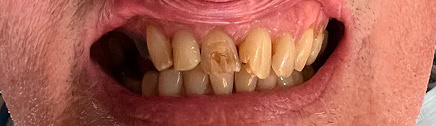
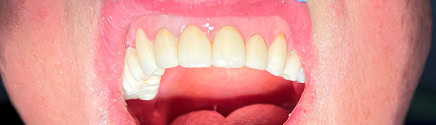
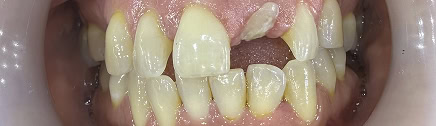
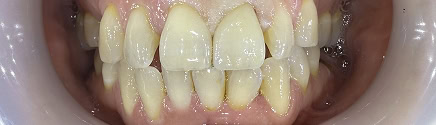
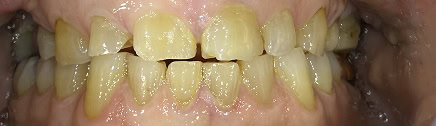
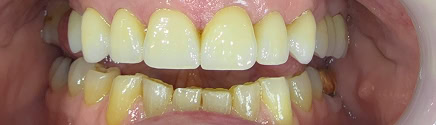
These images show examples of dental treatments completed at our clinic, demonstrating the range of care we provide for our patients.
Disclaimer: Individual results may vary. Images shown are of actual patients with consent.

Before

Before
After

After

Dental Crowns

Image taken around 3 weeks post-procedure

Before

Before
After

After

Dental Implant

Image taken 4 months post-procedure

Before

Before
After

After

Dental Veneers

Image taken around 3 weeks post-procedure

WHAT MAKES US DIFFERENT

Why Choose On Point Dental for Cosmetic Dentistry

Dental crowns restore both the function and appearance of damaged teeth. Here are some reasons why patients trust On Point Dental for crown treatment.

Personalised Treatment Planning

We take time to understand your goals and assess your oral health before recommending cosmetic options. Using digital tools to preview potential outcomes, we help you make well-informed decisions about available treatments. Plans are tailored to your needs and budget, so your cosmetic care is approached thoughtfully with attention to both functional and aesthetic considerations.

Range of Cosmetic Options

We offer cosmetic treatments including whitening, veneers, crowns and Invisalign. Having these options available in one clinic supports coordinated planning when more than one procedure is needed. This approach helps maintain consistency across each stage of care, allowing your cosmetic treatment to progress in a familiar setting with practitioners who already understand your overall oral health.

Flexible Payment Options Available

To support accessibility, we offer payment plan options with weekly repayments, quick approvals and interest-free periods. These arrangements can help patients manage costs across multiple appointments. Terms and conditions apply, including eligibility assessments and third-party finance approval, where relevant. Our team can explain available options so you can choose a structure that suits your budget.

New Patient Special Offer

$299

Dental Package Available for New Patients: Complete Preventive Care Services in One Appointment

Scale, Clean, Fluoride Treatment, and X-rays Package

*New patients only. Cannot be combined with insurance claims.
See full terms and conditions.

HEALTH FUNDS & PAYMENT OPTIONS

Quality Dental Care that Fits Your Budget

We work with major health funds and offer flexible payment options to help make dental care more accessible and manageable for our patients.

HBF Member Plus Preferred Provider

HBF Member Plus preferred provider status allows eligible members to access reduced payments. Terms and conditions apply.

NIB First Choice Preferred Provider

ALL MAJOR HEALTH FUNDS ACCEPTED

Flexible Payment Plans Available

Fund My Dental

Fund My Dental offers flexible payment plans that let you spread the cost of your dental treatment over time, making care more manageable.

Zip Pay

Zip Pay

Zip Pay allows you to receive dental treatment now and pay in flexible instalments. Interest-free plans are available for eligible patients.

YOUR FIRST VISIT

What to Expect When You Visit
On Point Dental

Our first appointment process is designed to be clear and thorough, allowing us to assess your oral health and discuss your treatment options in a relaxed, supportive environment.
Schedule Your Visit
Contact our friendly reception team by phone or through our online booking system to arrange your first appointment. We’ll find a time that suits your schedule and answer any initial questions you might have about your visit.
We Check: Teeth, gums, jaw joints, oral cancer screening, bite alignment, existing dental work

Fill Out Your Patient Forms
During your appointment, you’ll complete a health history form that helps us understand your medical background, current medications, and any dental concerns. This information allows us to provide care that’s appropriate for your individual circumstances.

What to Bring: Health fund card, Medicare card (if applicable), list of current medications

Detailed Oral Assessment
During your first visit, your dentist will conduct a thorough examination of your teeth, gums, and oral structures. This may include digital X-rays if needed to assess areas not visible during the visual examination, giving us a complete picture of your oral health.

We Check: Teeth, gums, jaw joints, oral cancer screening, bite alignment, existing dental work

Treatment Plan Discussion
Your dentist will discuss their findings with you and explain any areas of concern. If treatment is needed, we’ll talk through your options, answer your questions, and provide clear information about what each approach involves so you can make educated decisions about your dental care.

Transparent Pricing: All costs explained upfront, payment plans available, health fund rebates calculated.

Begin Your Dental Care
Once we’ve agreed on a treatment approach, we can often start addressing your dental needs at the same appointment for straightforward procedures. For more complex treatments, we’ll schedule follow-up appointments and provide you with the information you need to prepare.

Ongoing Care: Regular check-ups every 6 months, reminders sent, family appointments coordinated

THE TEAM

Our Friendly Team - Meet The Faces Behind Your Smile

Our dental team brings diverse training and experience to provide quality care, and they’re supported by our skilled dental assistants and administrative team, who help make your visit run smoothly.

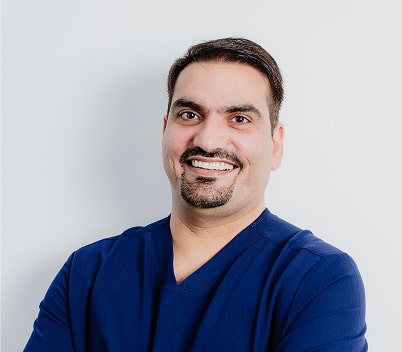
Dr Jeetash Kumar
Principal Dentist, AHPRA Reg. No. DEN0002285548

Dr Kumar is the principal dentist, focusing on comprehensive dental care, including implant dentistry, cosmetic procedures, and endodontic treatment for patients throughout Fremantle.

Credentials
Dr Pahul Gill
General Dentist, AHPRA Reg. No. DEN0002803537

Dr Gill provides high-quality dental care, focusing on listening to and understanding patients’ needs while offering personalised treatment options that make them comfortable.

Credentials
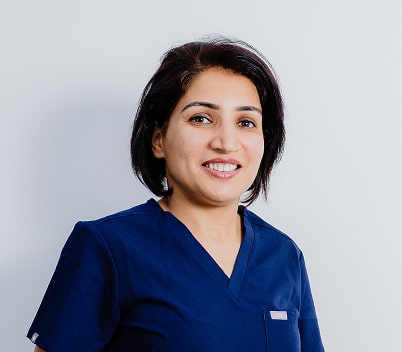
Dr Edmund Ngan

General Dentist, AHPRA Reg. No. DEN0002602730

Dr Ngan is experienced in general family dentistry and provides a thoughtful, patient-centred approach so that each patient receives tailored dental care.

Credentials
Dr Preeti Ahlawat

General Dentist, AHPRA Reg. No. DEN0001851108

Dr Ahlawat is a certified Invisalign provider with experience across multiple countries, offering cosmetic dentistry, orthodontic treatment, and supportive care for patients who feel anxious about dental visits.

Credentials

FAQ

Frequently Asked Questions

We understand you may have questions about dental bridges and what to expect. Here are answers to common questions from patients seeking tooth replacement in Fremantle.

Important Information: Any surgical or invasive procedure carries risks. Before proceeding with dental bridge procedures, you should seek a second opinion from an appropriately qualified health practitioner.

What is a dental bridge, and how does it work?

A dental bridge is a fixed dental restoration used to replace one or more missing teeth by literally bridging the gap between remaining teeth.

The bridge consists of two main components:

The pontic is the artificial tooth (or teeth) that fills the space left by the missing tooth.

  • The supporting crowns are placed over the natural teeth on either side of the gap.
  • These natural teeth, called abutment teeth, anchor the bridge securely. The bridge is custom-made in a dental laboratory to match the size, shape, and colour of your natural teeth. Once cemented into position, it becomes a part of your mouth.

The bridge is designed to help restore your ability to chew and maintain your facial shape. It is designed to help maintain tooth position and may improve the appearance of your smile. Individual outcomes vary.

The dental bridge procedure is typically performed under local anaesthesia to minimise discomfort during care. Individual experiences may vary.

What to expect after the procedure:

After the anaesthesia wears off, it’s common to experience some mild sensitivity or tenderness in the treated area. This is usually manageable with over-the-counter pain relief and typically subsides within a few days. Your gums may also feel slightly tender where the bridge sits, especially as you adjust to it.

If you experience significant discomfort or pain that doesn’t improve after a few days, contact your dentist. They can check the bridge’s fit and address any issues.

Many people can comfortably eat a wide variety of foods after getting a dental bridge, though individual experiences may vary. The bridge is designed to restore your chewing function and allow you to enjoy meals as much as you did with your natural teeth.

In the first few days, you may want to stick to softer foods while you adjust. Once you’ve adjusted, you should be able to eat most foods without difficulty.

Foods to approach with caution:

  • Hard lollies and ice can potentially damage the bridge.
  • Sticky caramel may loosen the cement over time.
  • Very tough meats might require extra care.

Cutting tough foods into smaller pieces can make them easier to manage. If you notice any discomfort when eating, contact your dentist for adjustments.

Dental bridges can replace one or more missing teeth. The number of teeth that can be replaced depends on several factors, including the strength of your supporting teeth and the location of the gap.

Number of TeethCommon Use
1 toothMost common; used when healthy teeth exist on both sides
2-3 teethFairly common when supporting teeth are strong enough
4+ teethOften unsuitable for traditional bridges; alternatives like implant-supported bridges or partial dentures usuallt recommended

When more than three teeth in a row are missing, a dental bridge may not always be the most suitable option. The longer the bridge, the greater the stress on the supporting teeth. For situations involving multiple missing teeth, your dentist might recommend alternatives such as implant-supported bridges or partial dentures.

While dental bridges offer many benefits, there are some considerations to keep in mind when deciding if they’re the right option for you.

Impact on adjacent teeth: Traditional bridges require reshaping the adjacent healthy teeth to accommodate the supporting crowns. This is a long-term alteration, and those teeth will need to remain crowned even if the bridge is replaced in the future. Some patients prefer alternatives that don’t involve modifying healthy tooth structure.

Other considerations include the following:

  • Dental bridges require careful oral hygiene to clean under the pontic and around the crowns effectively.
  • They have a limited lifespan and will eventually need to be replaced, typically after 10 to 15 years.
  • Cost can be a consideration, with the amount varying based on the type of bridge and materials used.
  • If supporting teeth aren’t strong enough or have underlying concerns, a bridge may not be suitable.

Your dentist will assess whether your mouth is ready for a bridge or if other preparatory work is needed first. They can also discuss alternative tooth replacement in Fremantle, such as dental implants or partial dentures, if a traditional bridge doesn’t suit your circumstances.

There are several types of dental bridges, each designed for different situations:

  1. Traditional Bridges:
    The most common type, consisting of a pontic held in place by crowns on the adjacent teeth. These are strong and suitable for areas experiencing heavy chewing forces.
  2. Cantilever Bridges:
    Supported by a crown on only one side of the gap. These may be used when there’s only one adjacent tooth available, though they’re not suitable for all areas.
  3. Maryland Bridges:
    These use wings that bond to the back of adjacent teeth instead of crowns. This approach involves less alteration to natural teeth but may not be as strong.
  4. Implant-Supported Bridges:
    Held in place by dental implants rather than natural teeth. This option may be recommended when multiple teeth are missing or when adjacent teeth aren’t suitable for supporting a traditional bridge.

During your consultation for dental bridges in Fremantle, your dentist will assess which type is most suitable for your individual needs and circumstances.

Bridges are custom-made to match your existing teeth in size, shape, and colour, though individual results vary.

Your bridge is custom-made based on impressions of your teeth. The dental laboratory carefully matches the size, shape, and colour of the pontic and crowns to your existing teeth. Modern dental materials, such as porcelain and ceramic, can closely mimic the appearance of natural tooth enamel.

Your dentist will work with you to select the appropriate shade for your bridge. If you’re having other cosmetic work done, such as teeth whitening, your dentist may recommend completing that first. This allows the bridge colour to be matched accordingly.

The dental bridge procedure typically involves multiple appointments spread over a few weeks.

  • First appointment (1-2 hours):
    Your dentist prepares the abutment teeth, takes impressions, and fits you with a temporary bridge. The impressions are sent to a dental laboratory where your bridge is custom-made.
  • Laboratory fabrication (2-3 weeks):
    During this time, you will wear a temporary bridge to protect your prepared teeth and maintain normal function.
  • Second appointment (approximately 1 hour):
    Your dentist addresses the temporary bridge, checks the fit of the longer-term one, makes any necessary adjustments, and cements it into place.

In total, the process from start to finish typically takes about three to four weeks, though this may vary depending on individual circumstances and any additional dental work required.

If a dental bridge doesn’t seem like the right fit for you, there are other ways to replace missing teeth.

  • Dental Implants:
    An implant involves placing a titanium post into the jawbone with a crown attached. Implants don’t require altering adjacent teeth and tend to last longer, but they involve surgery and are typically more costly.
  • Partial Dentures:
    These removable appliances can replace one or more missing teeth. They’re usually less expensive but may feel less stable than fixed restorations.
  • Implant-Supported Bridges:
    These combine the benefits of implants and bridges, anchoring them to dental implants rather than natural teeth.

During your consultation, your dentist will discuss all available alternatives based on your oral health, budget, and personal preferences.

The recovery time from getting a dental bridge is typically quite short. Most patients experience only mild tenderness, which usually subsides within a few days of having their bridge placed, though recovery varies among patients.

Immediate post-procedure: You may experience some tenderness in the treated area, particularly around the gums and prepared teeth. This discomfort is usually mild and can be managed with over-the-counter pain relief if needed.

During the adjustment period:

  • Stick to softer foods if you’re experiencing sensitivity.
  • Avoid very hot or cold items temporarily.
  • Maintain gentle oral hygiene around the area that received care.

After your bridge is cemented in place, many patients experience minimal downtime. Recovery experiences vary between individuals. Most patients can resume normal activities within a few days, though some sensitivity may persist. If you experience persistent pain or swelling beyond the first few days, contact your dentist.

On average, a well-maintained dental bridge may last around 5 to 10 years, though individual results vary significantly based on factors such as oral hygiene, diet, and individual circumstances.

Factors that affect longevity:

FactorImpact on Lifespan
Oral hygieneGood cleaning habits extend bridge life
Regular check-upsEarly detection prevents major problems
Diet and habitsAvoiding hard foods protects the bridge
Supporting teeth healthDecay in abutment teeth may shorten bridge lifespan or require replacement

Keeping the bridge and surrounding teeth clean helps prevent decay and gum disease. Your dentist can monitor the condition of your bridge during check-ups and identify potential issues early. Avoiding very hard or sticky foods and wearing a mouthguard if you grind your teeth can help protect your bridge.

When your bridge does eventually need replacement, your dentist will assess the condition of the supporting teeth and discuss your options.

Yes, a dental bridge can affect the adjacent teeth, which is why it’s important to understand this before moving forward.

Tooth preparation requirements: To place a traditional dental bridge, the teeth on either side of the gap need to be reshaped to accommodate the supporting crowns. This involves removing a portion of the tooth enamel, which is a long-term change. Those teeth will always need to be protected with crowns, even if the bridge is replaced later.

Additional considerations:

  • The abutment teeth bear increased chewing forces once the bridge is in place.
  • Plaque and bacteria can accumulate along the margins of crowns if they are not cleaned properly.
  • Maintaining good oral hygiene around the bridge is crucial for protecting the supporting teeth.

During your consultation, your dentist will assess the health of your adjacent teeth and determine whether they’re suitable for supporting a bridge. If there are any concerns, alternative options may be recommended. Your dentist will discuss both the benefits and potential impacts of a dental bridge during your consultation. This helps you have the information you need to make an informed choice about your dental care.