COSMETIC DENTISTRY

Explore Composite Bonding in Fremantle

Discuss composite bonding in Fremantle with our registered dental team. We provide personalised care to help improve tooth shape and appearance using conservative, minimally invasive techniques.

What we do?

Adhesive Resin Applied to Teeth that May Help Modify Tooth Shape or Cover Surface Concerns

Composite bonding typically involves applying a tooth-coloured adhesive resin to selected areas of the teeth. It may help improve the appearance of minor shape or surface concerns.

Dentists use composite bonding as a conservative technique that preserves natural tooth structure while addressing localised aesthetic concerns. The procedure typically involves preparing the tooth surface, applying the resin in controlled layers, and allowing the material to harden before shaping and polishing. This approach allows the dentist to adapt the material to match the surrounding tooth structure.

Composite bonding may be considered for minor concerns such as small chips, worn edges, or isolated discolouration. As with all dental treatments, suitability depends on personal oral health and a clinical assessment by a registered dental practitioner. During a consultation, your dentist can explain options, expected maintenance, and factors that may influence long-term appearance.

RIGHT CANDIDATE

Who Might Be Suitable Candidates for Composite Bonding?

Composite bonding may be suitable for individuals with healthy teeth and gums who want to address minor aesthetic concerns. These concerns may include small chips, worn edges, discolouration, or slight spacing between teeth.

Composite bonding may also suit patients looking for a cost-effective, minimally invasive cosmetic option. A dental practitioner will assess tooth condition, bite alignment, and overall oral health to determine whether bonding is the most appropriate treatment for each person’s needs.

Benefits

How Composite Bonding May Help Improve Tooth Appearance

Composite bonding can refine the appearance of teeth by adding carefully sculpted resin to areas with chips, uneven edges or minor discolouration. Results vary based on your specific tooth condition and treatment response.

This treatment may also improve symmetry and proportion by subtly adjusting tooth shape or contour. When performed by a registered dental practitioner, composite bonding can support aesthetic goals through a conservative approach tailored to each patient’s oral health needs.

OUR SMILE GALLERY

Examples of Our Dental Work

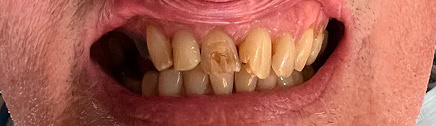
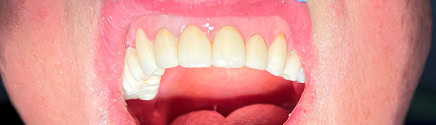
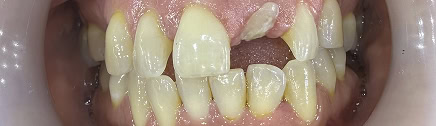
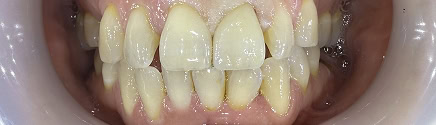
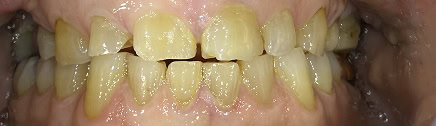
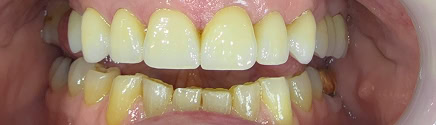
These images show examples of dental treatments completed at our clinic, demonstrating the range of care we provide for our patients.


Disclaimer: Individual results may vary. Images shown are of actual patients with consent.

Before

Before
After

After

Dental Crowns

Image taken around 3 weeks post-procedure

Before

Before
After

After

Dental Implant

Image taken 4 months post-procedure

Before

Before
After

After

Dental Veneers

Image taken around 3 weeks post-procedure

WHAT MAKES US DIFFERENT

Why Choose On Point Dental for Cosmetic Dentistry

Enhancing your smile is a significant decision that deserves careful consideration and quality care. Here are some reasons why patients choose On Point Dental for cosmetic treatments.

Personalised Treatment Planning

We take time to understand your goals and assess your oral health before recommending cosmetic options. Using digital tools to preview potential outcomes, we help you make well-informed decisions about available treatments. Plans are tailored to your needs and budget, so your cosmetic care is approached thoughtfully with attention to both functional and aesthetic considerations.

Range of Cosmetic Options

We offer cosmetic treatments including whitening, veneers, crowns and Invisalign. Having these options available in one clinic supports coordinated planning when more than one procedure is needed. This approach helps maintain consistency across each stage of care, allowing your cosmetic treatment to progress in a familiar setting with practitioners who already understand your overall oral health.

Flexible Payment Options Available

To support accessibility, we offer payment plan options with weekly repayments, quick approvals and interest-free periods. These arrangements can help patients manage costs across multiple appointments. Terms and conditions apply, including eligibility assessments and third-party finance approval, where relevant. Our team can explain available options so you can choose a structure that suits your budget.

New Patient Special Offer

$299

Dental Package Available for New Patients: Complete Preventive Care Services in One Appointment

Scale, Clean, Fluoride Treatment, and X-rays Package

*New patients only. Cannot be combined with insurance claims.
See full terms and conditions.

HEALTH FUNDS & PAYMENT OPTIONS

Quality Dental Care that Fits Your Budget

We work with major health funds and offer flexible payment options to help make dental care more accessible and manageable for our patients.

HBF Member Plus Preferred Provider

NIB First Choice Preferred Provider

All Major Health Funds Accepted

Flexible Payment Plans Available

Fund My Dental

Fund My Dental offers flexible payment plans that let you spread the cost of your dental treatment over time, making care more manageable.

Zip Pay

Zip Pay

Zip Pay allows you to receive dental treatment now and pay in flexible instalments. Interest-free plans are available for eligible patients.

YOUR FIRST VISIT

What to Expect When You Visit
On Point Dental

Our first appointment process is designed to be clear and thorough, allowing us to assess your oral health and discuss your treatment options in a relaxed, supportive environment.
Schedule Your Visit
Contact our friendly reception team by phone or through our online booking system to arrange your first appointment. We’ll find a time that suits your schedule and answer any initial questions you might have about your visit.

We Check: Teeth, gums, jaw joints, oral cancer screening, bite alignment, existing dental work

Fill Out Your Patient Forms
During your appointment, you’ll complete a health history form that helps us understand your medical background, current medications, and any dental concerns. This information allows us to provide care that’s appropriate for your individual circumstances.

What to Bring: Health fund card, Medicare card (if applicable), list of current medications

Detailed Oral Assessment
During your first visit, your dentist will conduct a thorough examination of your teeth, gums, and oral structures. This may include digital X-rays if needed to assess areas not visible during the visual examination, giving us a complete picture of your oral health.

We Check: Teeth, gums, jaw joints, oral cancer screening, bite alignment, existing dental work

Treatment Plan Discussion
Your dentist will discuss their findings with you and explain any areas of concern. If treatment is needed, we’ll talk through your options, answer your questions, and provide clear information about what each approach involves so you can make educated decisions about your dental care.

Transparent Pricing: All costs explained upfront, payment plans available, health fund rebates calculated.

Begin Your Dental Care
Once we’ve agreed on a treatment approach, we can often start addressing your dental needs at the same appointment for straightforward procedures. For more complex treatments, we’ll schedule follow-up appointments and provide you with the information you need to prepare.

Ongoing Care: Regular check-ups every 6 months, reminders sent, family appointments coordinated

THE TEAM

Our Friendly Team - Meet The Faces Behind Your Smile

Our dental team brings diverse training and experience to provide quality care, and they’re supported by our skilled dental assistants and administrative team, who help make your visit run smoothly.

Dr Jeetash Kumar
Principal Dentist, AHPRA Reg. No. DEN0002285548
Dr Kumar is the principal dentist, focusing on comprehensive dental care, including implant dentistry, cosmetic procedures, and endodontic treatment for patients throughout Fremantle.
Credentials
Dr Pahul Gill
General Dentist, AHPRA Reg. No. DEN0002803537

Dr Gill provides high-quality dental care, focusing on listening to and understanding patients’ needs while offering personalised treatment options that make them comfortable.

Credentials
Dr Edmund Ngan

General Dentist, AHPRA Reg. No. DEN0002602730

Dr Ngan is experienced in general family dentistry and provides a thoughtful, patient-centred approach so that each patient receives tailored dental care.

Credentials
Dr Preeti Ahlawat

General Dentist, AHPRA Reg. No. DEN0001851108

Dr Ahlawat is a certified Invisalign provider with experience across multiple countries, offering cosmetic dentistry, orthodontic treatment, and supportive care for patients who feel anxious about dental visits.

Credentials

FAQ

Frequently Asked Questions

Find clear answers to common questions about tooth bonding in Fremantle, including the treatment process, durability, comfort, and ongoing care considerations.

How long does composite bonding last?

Composite bonding is a conservative dental treatment used to restore or enhance the appearance of teeth. Its longevity depends on several individual and clinical factors.

  • Average Lifespan:
    Research indicates composite bonding typically lasts 5-7 years when properly maintained, though each patient’s results vary. Patients may require earlier refinishing or replacement.
  • Impact of Oral Habits:
    Habits such as nail-biting, teeth-grinding, or using teeth to open packaging can reduce the lifespan of composite bonding by causing premature wear or fractures.
  • Importance of Maintenance:
    Regular dental checkups and professional cleanings every six months help maintain the integrity and appearance of bonded teeth and support early detection of wear or discolouration.
  • Dietary Considerations:
    Limiting foods and beverages that stain, such as coffee, red wine, and tobacco, helps preserve the composite material’s natural appearance over time.
  • Professional Care and Touch-Ups:
    Over time, minor adjustments or polishing by your dentist can restore the smoothness and lustre of the bonded surfaces without requiring full replacement.

Composite bonding can be an effective aesthetic option when maintained with good oral care and regular professional attention. Results and longevity vary between individuals.

Composite bonding does not usually cover the entire tooth. It is applied only to specific areas that require reshaping or improved appearance. The dentist carefully sculpts the resin to match your natural tooth structure and shade. This conservative approach preserves most of your original enamel and may enhance aesthetics and function.

In some cases, more extensive cover may be recommended if there is significant damage or discolouration. Your dentist will assess which option—bonding, veneers, or another—is most suitable. Each treatment plan is tailored to the individual’s dental health and desired outcome. A professional consultation helps you select the most suitable, long-lasting treatment option to maintain your oral health and natural smile.

Composite bonding itself does not cause tooth decay, but decay can still develop on the natural tooth structure beneath or around the bonded area. Proper bonding technique, including thorough cleaning and sealing before placement, helps prevent bacteria from entering small gaps between the material and the tooth. Over time, if oral hygiene is neglected, plaque can accumulate at the bonding-to-enamel junction, increasing the risk of decay. Regular dental checkups and professional cleaning are essential to maintain both the bonded area and the underlying tooth.

With good daily brushing, flossing, and regular dental care, composite bonding may remain durable for several years. However, like natural teeth, bonded areas require ongoing care and monitoring to maintain oral health. Your dentist will monitor the bonded surfaces during routine visits to identify any early signs of wear or decay. Early detection allows for simple adjustments or maintenance, helping your bonded teeth stay healthy and looking natural.

Composite bonding may be suitable for people seeking to address minor cosmetic concerns such as chips, discolouration, or uneven edges. Treatment suitability depends on individual dental health and clinical assessment by a registered dentist.

The dental bonding procedure typically requires one appointment and involves minimal tooth preparation, making it appealing to many patients seeking conservative treatment options. When properly maintained through regular dental care, composite bonding may remain in good condition for several years, though longevity varies depending on individual factors and oral habits.

During your consultation, your dentist can assess your specific needs, discuss realistic expectations, and explain whether composite bonding or alternative treatments may be more suitable for your situation.

Composite bonding is a minimally invasive dental procedure designed to improve the appearance of teeth while maintaining patient comfort. Here is what patients can expect regarding pain and sensitivity, clearly and professionally explained.

Before the Dental Bonding Procedure – Preparation and Comfort

  • Surface Preparation:
    Composite bonding usually requires no drilling or anaesthesia unless minor reshaping of the tooth is needed.
  • Patient Assessment:
    Your dentist will assess your teeth and gums to confirm their health before starting the procedure.
  • Open Communication:
    You will have the opportunity to discuss any concerns or sensitivities with your dentist in advance to support a comfortable experience.

During the Procedure – What to Expect

  • Non-Invasive Process:
    The bonding material is applied directly to the tooth surface and shaped without removing significant tooth structure.
  • Minimal Sensation:
    Many patients report feeling only slight pressure or vibration as the material is sculpted and hardened, though individual experiences and sensitivity levels vary.
  • Professional Care:
    The procedure is carefully monitored to maintain comfort and precision throughout.

After the Procedure – Mild Sensitivity and Aftercare

  • Temporary Sensitivity:
    Some patients may experience mild sensitivity to temperature or pressure for a short period after bonding, which usually subsides within a few days.
  • Simple Aftercare:
    Maintaining good oral hygiene and avoiding hard foods or staining substances (such as coffee or red wine) for the first 48 hours helps protect the new surface.
  • Long-Term Comfort:
    With proper care, bonded teeth are designed to blend naturally with your smile and support normal function.

Composite bonding is a minimally invasive procedure that aims to improve the appearance of teeth. Most patients experience minimal discomfort, though individual experiences vary. Your dentist can discuss what to expect during your consultation.

Composite bonding may be redone multiple times, depending on the underlying tooth condition and remaining natural structure. Each re-bonding involves removing a thin layer of old material and applying new resin with precise care. Regular dental assessments help determine when replacement is necessary to maintain function and appearance.

Over time, repeated bonding may lead to enamel wear or reduced adhesion if not managed properly by a qualified dental practitioner. A dentist will evaluate factors such as bite pressure, oral hygiene, and prior restorations before recommending another bonding procedure. Professional maintenance and care may help extend the longevity of each treatment cycle. For optimal outcomes, discuss your dental history and future treatment options with your registered dentist.

Composite fillings are a common restorative option in modern dentistry. While they offer aesthetic and functional benefits, patients should also be aware of their potential limitations to understand the treatment fully.

Potential LimitationExplanation
Limited Durability
  • May wear faster than metal fillings, especially on large biting surfaces
  • Average lifespan is often shorter under heavy chewing forces
Technique Sensitivity
  • Placement requires a dry field for proper bonding
  • Moisture contamination can affect long-term adhesion
Potential for Shrinkage
  • Slight contraction may occur as the material sets
  • Can lead to small gaps or sensitivity if not managed properly
Post-Treatment Sensitivity
  • Some patients experience short-term temperature sensitivity
  • Usually subsides as the tooth adjusts to the new filling
Higher Maintenance
  • More prone to staining and discolouration over time
  • May require periodic polishing or replacement for aesthetics

Composite fillings offer aesthetic and functional benefits for many patients. Understanding both their advantages and potential limitations helps set realistic expectations and supports informed treatment decisions. Your dentist can discuss whether composite fillings are suitable for your specific needs.

The number of teeth that can be bonded in a single appointment depends on the patient’s needs and the complexity of the treatment. In most cases, several teeth can be addressed in a single visit, particularly when minor adjustments are required. However, more extensive bonding across multiple teeth may require additional appointments to support precise placement. Your dentist will assess your oral health and provide a personalised treatment plan based on your specific goals and requirements.

Composite bonding is a precise dental procedure that requires time and care to achieve a natural appearance. The dentist carefully prepares and sculpts each tooth to aim for a natural blend with your surrounding teeth. Appointment length may vary, depending on the number of teeth involved. During your consultation, your dentist will outline the expected timeframe and discuss the most suitable approach for your smile.

After composite bonding, you can usually resume eating and drinking normally once the procedure is complete and the bonding material has fully hardened. However, it’s recommended to avoid very hard or sticky foods for the first 24 hours to prevent damaging the new surface. Consuming dark-coloured drinks like coffee or red wine may also cause staining over time. Your dentist can provide tailored aftercare advice based on your treatment and oral health needs.

Maintaining good oral hygiene may help support the appearance and longevity of your composite bonding. Brushing twice daily with a soft toothbrush and using non-abrasive toothpaste are recommended. Regular dental checkups every six months allow your dentist to monitor bonded areas and make any minor adjustments as needed.

Composite bonding aims to blend with your existing teeth and support a natural appearance. Dentists use composite resin bonding materials matched to your tooth shade. The procedure focuses on shaping, contouring, and polishing to aim for natural texture and appearance. When performed by a registered dental practitioner, composite bonding may improve tooth appearance. Each patient’s aesthetic outcomes and satisfaction levels vary.

At our dental clinic in Fremantle, each treatment plan is tailored to your tooth shape, colour, and facial features. Your dentist will discuss realistic outcomes and demonstrate shade options before starting treatment. Proper aftercare and regular dental checkups help maintain the natural appearance and longevity of your bonded teeth. Results vary by person, so your dentist will provide guidance based on your specific dental condition and goals.

While both composite bonding and dental fillings use similar materials, they serve different purposes and are applied in distinct ways. Below is a simple comparison to help explain the purpose of each dental treatment.

AspectComposite Bonding in FremantleDental Fillings
Primary Purpose
  • Cosmetic enhancement
  • Improves tooth appearance
  • Reshapes visible teeth
  • Restores tooth structure
  • Address decay or damage
Common Uses
  • Fills small gaps
  • Restore chips or cracks
  • Alters tooth shape
  • Improves tooth colour
  • Fills cavities
  • Restore broken teeth
  • Replaces old amalgam
Application Area
  • Front teeth
  • Visible smile zone
  • Cosmetic concerns
  • Any tooth location
  • Back teeth are common
  • Functional needs
Tooth Preparation
  • Minimal removal
  • Often reversible
  • Preserves structure
  • Decay removal required
  • More preparation
  • Structural restoration
Cover Extent
  • Surface layer
  • Partial tooth cover
  • Aesthetic focus
  • Cavity depth
  • May be extensive
  • Structural priority

Your dentist can assess your specific needs during your consultation and recommend whether composite bonding, fillings, or another treatment option is most suitable for your situation.

When considering composite bonding in Fremantle, many patients want to know whether their private health fund will cover the cost. The answer depends on the type of health fund policy and the purpose of the treatment.

  • Type of Cover Matters:
    Most health funds only provide benefits for composite bonding if it is performed for restorative reasons, such as addressing a chipped or decayed tooth.
  • Cosmetic-Only Procedures Are Usually Excluded:
    Composite bonding performed only to alter the shape, colour, or appearance of teeth is generally considered a cosmetic treatment. Most health funds do not cover cosmetic procedures.
  • Item Numbers Determine Eligibility:
    Dentists use item numbers to describe specific procedures for health fund claims. Your dentist can advise which item number applies to your bonding treatment and whether it may be eligible for a benefit under your policy.
  • Check With Your Health Fund:
    Each health fund has different rules and levels of cover for dental restorative treatments. Patients should contact their provider directly to confirm eligibility and any applicable limits.
  • Transparency in Treatment Planning:
    Patients receive a clear treatment plan outlining relevant item numbers and estimated costs before proceeding. This allows patients to confirm any health fund cover in advance.

Each health fund has its own rules and exclusions, so it is always advisable to confirm directly with your provider before booking tooth bonding in Fremantle.