
RESTORATIVE DENTISTRY
Partial Dentures in Fremantle for Improved Oral Function
Missing one or more teeth can affect your ability to eat, speak, and smile with ease. On Point Dental offers partial dentures in Fremantle to help restore oral function and appearance.

What we do?
Explore Partial Dentures for Replacing Missing Teeth and Supporting Oral Health Function and Appearance
Removable partial dentures in Fremantle, which you can choose, are dental devices designed to replace one or more missing teeth when some natural teeth remain in the jaw.
These devices work by filling the gaps in your smile, helping you chew food more comfortably and speak more clearly. Partial dentures can help support the remaining natural teeth, which may help maintain the structure of your mouth and jaw. They consist of replacement teeth attached to a base that matches the colour of your gums. Flexible partial dentures use clasps that fit around existing teeth.
While they cannot prevent bone loss or changes in jaw structure over time, custom dentures can support day-to-day oral function and appearance. During your consultation, your dentist will assess your oral health, discuss your options, and help determine whether partial dentures are suitable for your needs.

RIGHT CANDIDATE
Are You a Candidate for
Partial Dentures?
Removable partial dentures in Fremantle may be suitable if you have missing teeth and healthy natural teeth remaining in your upper or lower jaw. Your dentist will assess the condition of your gums, jawbone, and remaining teeth to determine whether this option is suitable for your situation.
If you experience difficulty chewing, notice gaps in your smile, or want to explore tooth replacement options, scheduling a consultation is recommended. A dentist can help clarify whether partial dentures are appropriate for you.
Benefits
Learn About the Advantages of
Partial Dentures
Partial dentures can offer practical support for everyday activities such as eating and speaking, particularly when several teeth are missing. They are removable, making cleaning easier than with long-term options. Partial dentures may help support facial structure by supporting the lips and cheeks.
While they require adjustment time and regular care, many people find them a functional option for managing gaps in their smile and supporting oral health.

PROVEN RESULTS & EXPERT CARE
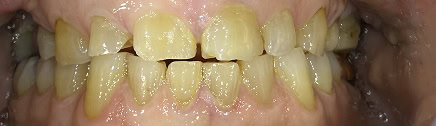
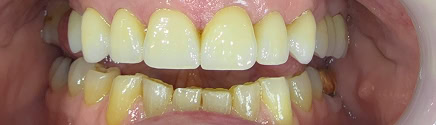
Examples of Our Dental Work
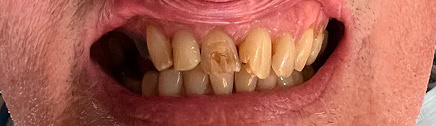
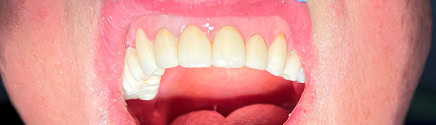
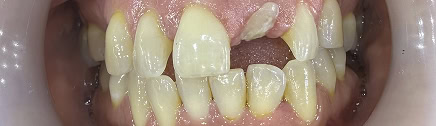
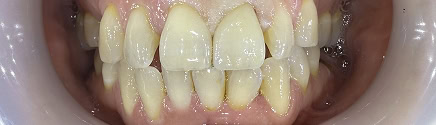
These images show examples of dental treatments completed at our clinic, demonstrating the range of care we provide for our patients.
Disclaimer: Individual results may vary. Images shown are of actual patients with consent.
WHAT MAKES US DIFFERENT
Why Choose On Point Dental for Restorative Dentistry
Restoring damaged or missing teeth requires skill, quality materials, and careful planning. Here are some reasons why patients trust On Point Dental for restorative treatments.
Advanced Restorative Techniques
Our clinic utilises current restorative dentistry techniques and quality materials for procedures including dental crowns, bridges, implants, and dentures. We invest in technology that supports accurate diagnosis and treatment planning, helping to achieve functional and aesthetic outcomes. Our dentists maintain their skills through continuing professional development in restorative procedures and material science.
Dental Implants Completed In-House
Rather than referring implant cases elsewhere, we provide dental implant treatments at our Fremantle clinic from initial consultation through to final restoration. This in-house approach means consistent care from familiar practitioners who understand your dental history, streamlined communication throughout the treatment process, and coordinated timing between surgical and restorative phases of your implant procedure.
Flexible Ways to Manage Costs
We believe quality restorative dentistry should be accessible, which is why we work as HBF and NIB preferred providers and accept all major health funds to maximise your benefits. For treatments not fully covered by health funds, we offer payment plans with flexible terms, interest-free options, and quick approval, so you can proceed with the necessary restorative work.
New Patient Special Offer
$299
Dental Package Available for New Patients: Complete Preventive Care Services in One Appointment
*New patients only. Cannot be combined with insurance claims.
See full terms and conditions.
INSURANCE & PAYMENT OPTIONS
Quality Dental Care That Fits Your Budget
We work with major health funds and offer flexible payment options to help make dental care more accessible and manageable for our patients.


HBF Member Plus Preferred Provider
- Eligible HBF Member Plus members can receive reduced gap payments on many dental services.
- We process your health fund claim on the spot, and you’ll pay only the gap amount.
- Our team can check your cover and provide an estimate of your out-of-pocket costs before treatment begins.
- Being a preferred provider means we meet HBF's quality and service standards, giving you added security in your care.
- HBF Member Plus preferred provider status allows eligible members to access reduced payments. Terms and conditions apply.


NIB First Choice Preferred Provider
- NIB First Choice members may receive higher benefits and lower gap payments when they visit our clinic.
- We submit your claim directly to NIB, making the process straightforward and reducing paperwork for you.
- Our reception team can explain your NIB benefits and help you understand what's included in your cover.
- We're committed to transparent pricing, so you'll know your expected costs before we start any treatment.






Flexible Payment Plans Available
Fund My Dental


YOUR FIRST VISIT
What to Expect When You Visit On Point Dental
Our first appointment process is designed to be clear and thorough, allowing us to assess your oral health and discuss your treatment options in a relaxed, supportive environment.
Schedule Your Visit
Contact our friendly reception team by phone or through our online booking system to arrange your first appointment. We’ll find a time that suits your schedule and answer any initial questions you might have about your visit.
We Check: Teeth, gums, jaw joints, oral cancer screening, bite alignment, existing dental work
Fill Out Your Patient Forms
During your appointment, you’ll complete a health history form that helps us understand your medical background, current medications, and any dental concerns. This information allows us to provide care that’s appropriate for your individual circumstances.
What to Bring: Health fund card, Medicare card (if applicable), list of current medications
Detailed Oral Assessment
During your first visit, your dentist will conduct a thorough examination of your teeth, gums, and oral structures. This may include digital X-rays if needed to assess areas not visible during the visual examination, giving us a complete picture of your oral health.
We Check: Teeth, gums, jaw joints, oral cancer screening, bite alignment, existing dental work
Treatment Plan Discussion
Your dentist will discuss their findings with you and explain any areas of concern. If treatment is needed, we’ll talk through your options, answer your questions, and provide clear information about what each approach involves so you can make educated decisions about your dental care.
Transparent Pricing: All costs explained upfront, payment plans available, health fund rebates calculated.
Begin Your Dental Care
Once we’ve agreed on a treatment approach, we can often start addressing your dental needs at the same appointment for straightforward procedures. For more complex treatments, we’ll schedule follow-up appointments and provide you with the information you need to prepare.
Ongoing Care: Regular check-ups every 6 months, reminders sent, family appointments coordinated
THE TEAM
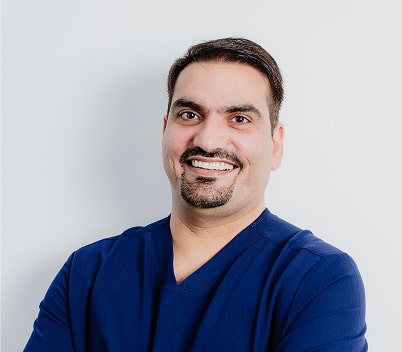
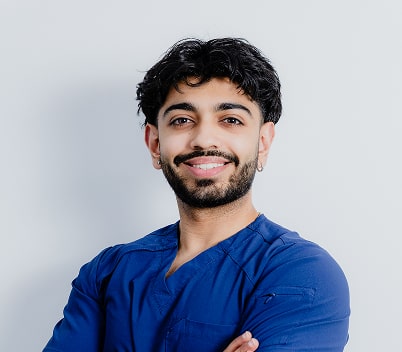
Our Friendly Team - Meet The Faces Behind Your Smile
Our dental team brings diverse training and experience to provide quality care, and they’re supported by our skilled dental assistants and administrative team, who help make your visit run smoothly.
Credentials



Credentials


Credentials

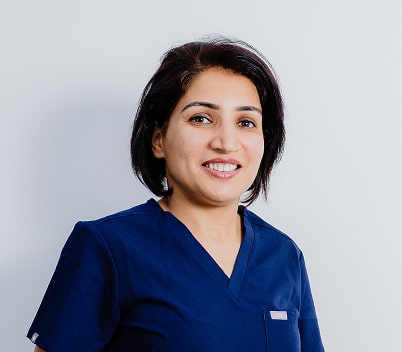
Dr Ahlawat is a certified Invisalign provider with experience across multiple countries, offering cosmetic dentistry, orthodontic treatment, and supportive care for patients who feel anxious about dental visits.
Credentials



FAQ
Frequently Asked Questions
What are partial dentures?
Partial dentures are removable dental appliances designed to replace one or more missing teeth when you still have some natural teeth remaining. They consist of replacement teeth attached to a gum-coloured base, along with a framework that holds the denture in place by connecting to your natural teeth. The framework can be made from metal alloys, flexible thermoplastic materials, or a combination of materials. Metal clasps or flexible extensions grip your natural teeth to hold the denture securely during eating and speaking.
Partial dentures are designed to help restore function by allowing you to chew more comfortably and speak more clearly. They are also designed to help prevent your remaining teeth from shifting into gaps and can improve the appearance of your smile. Unlike complete dentures, partial dentures work alongside your remaining natural teeth, which still require regular brushing, flossing, and dental checkups. Individual results vary.
How many teeth can be put on a partial denture?
A partial denture can replace one or more teeth, depending on your needs. There’s no strict limit, though the design becomes more complex as more teeth are replaced. Smaller partial dentures replacing one or two teeth are relatively simple in design and often use fewer clasps. Flexible partial dentures work particularly well for these situations. When replacing several teeth scattered throughout your mouth, the framework needs to extend across larger areas with additional clasps for support.
If you’re missing most teeth but have a few remaining, your dentist might still recommend a partial denture. However, if very few teeth remain, a complete denture may be more appropriate. The position and condition of your remaining teeth determine what’s practical, as they need to be healthy and stable enough to support the denture.
What should I consider when deciding on partial dentures?
- Your Remaining Teeth
The condition of your remaining teeth matters significantly. Partial dentures rely on these teeth for support, so they need to be healthy and stable. Any existing decay, gum disease, or mobility typically requires addressing first. - Your Oral Hygiene Habits
Partial dentures require diligent cleaning of both the denture and your natural teeth. Wearing a partial denture can increase the risk of decay if it isn’t cleaned thoroughly. Discuss any concerns about maintaining good oral hygiene with your dentist. - Your Expectations
Partial dentures are designed to help restore much of your chewing ability, though outcomes vary between individuals. Some adaptation is required, and certain foods may remain challenging. - Financial Considerations
Whilst generally more affordable than dental implants, partial dentures still represent a significant investment. Consider whether you can manage the upfront cost or need payment arrangements, and check your health fund cover. - Your Lifestyle
Some people adapt easily to removable appliances, whilst others find them bothersome. Consider your daily activities and whether you have concerns about managing denture care. - Health Conditions
Conditions affecting your jaw joints, chronic dry mouth, or manual dexterity issues deserve consideration. Your dentist can advise whether partial dentures are appropriate for your situation.
What are the benefits and limitations of partial dentures?
Benefits of Partial Dentures:
- They’re generally more affordable than dental implants or bridges, making them accessible when budget is a consideration.
- The process is non-invasive, involving impressions and fittings rather than surgery.
- They are removable for thorough cleaning, allowing you to clean the denture and your natural teeth separately.
- Partial dentures can replace multiple teeth in different areas with a single appliance, which is often more practical and economical.
- The procedure generally takes several weeks to complete.
Limitations of Partial Dentures:
- They are less stable than long-term restorations, potentially moving slightly during eating or speaking, whilst you’re adjusting.
- Partial dentures don’t fully prevent bone resorption, so the bone beneath may continue to change shape over time.
- There’s an adjustment period that requires adaptation in eating, speaking, and comfort.
- Metal clasps may be visible when you smile, depending on which teeth they attach to.
- Partial dentures require regular maintenance, including daily cleaning, periodic adjustments, and eventual relining or replacement.
How long does it take to get a partial denture?
Week 1: Initial Consultation
Your first appointment involves a comprehensive examination and consultation where your dentist assesses your oral health and suitability for partial dentures. If your mouth is ready and no preparatory work is required, impressions may be taken during this initial visit to begin the denture creation process.
Weeks 2-3: Preparatory Work (if needed)
Any necessary dental procedures, such as placing fillings or extracting teeth, are completed during this stage. Healing from tooth extractions typically takes several weeks, and your dentist will monitor your progress to check that your gums are ready for the next steps.
Week 3-4: Taking Impressions
Your dentist takes detailed impressions of your teeth and gums, which capture the exact shape and position of your remaining teeth. Measurements and bite records are also taken during this appointment, so your dentures will fit properly and function comfortably.
Weeks 4-6: Laboratory Fabrication
The laboratory creates your custom partial dentures based on the impressions and specifications provided by your dentist. This fabrication process typically requires two to three weeks, during which dental technicians construct your dentures to match your specific needs.
Week 6: Try-In Appointment
You return to the dental clinic to review the dentures, whilst adjustments can still be made easily. Your dentist checks the fit, appearance, and function of the dentures, and you have the opportunity to provide feedback before they’re finalised.
Week 7: Delivery and Follow-Up
Your completed dentures are delivered, and your dentist checks that they fit comfortably and function properly. Follow-up appointments are scheduled within days to weeks after delivery to make any needed adjustments as you adapt to wearing your new partial dentures.
Total Timeline: Four to six weeks if no preparatory work is needed. If teeth require extraction or other preliminary treatment, the process may extend to several months to allow proper healing before final dentures are made.
Do you have to go without teeth while waiting for dentures?
Whether you need to go without teeth while waiting for your partial dentures depends on your specific situation and treatment plan.
If Replacing an Existing Denture:
If you’re currently wearing a denture that’s being replaced with a new one, you can typically continue wearing your existing denture throughout the process of creating the new one. You’ll only need to remove it briefly during appointments to take impressions, but you can wear it between visits at home and in social situations.
If You Need Teeth Extracted:
For patients having teeth removed who want to avoid visible gaps during the healing period, immediate or temporary partial dentures can be provided. These dentures are made before your teeth are extracted and placed immediately afterwards on the same day, allowing you to leave the dental clinic with teeth in place.
Benefits of Temporary Dentures:
- They help you avoid visible gaps in your smile, which is particularly important if missing teeth would affect your appearance at work or in social situations.
- Temporary dentures help maintain your ability to eat and speak during the healing period, supporting normal daily activities.
- They prevent your remaining teeth from shifting whilst your gums heal, maintaining proper alignment.
Considerations:
Temporary dentures require frequent adjustments as your gums change shape during the healing process, and they’re replaced with long-term dentures once healing is complete. If teeth being removed are at the back of your mouth, the gaps typically aren’t visible when you smile. Some patients in this situation choose to wait until healing is complete before receiving their partial dentures rather than investing in temporary ones.
Your dentist can discuss the options available to you. They can help you decide whether immediate temporary partial dentures would be beneficial. This decision depends on which teeth are being removed, your healing timeline, and your personal preferences about having visible gaps during the treatment process.
What level of discomfort might I experience with partial dentures?
Normal Initial Sensations (First 1-2 Weeks):
- Your dentures may feel bulky or foreign as your mouth adapts to the appliance.
- Mild generalised soreness in gum areas is common, usually lessening each day.
- Increased saliva production often occurs initially, settling within a few days.
- Speaking and eating may feel awkward, though these typically improve within two weeks.
Issues Requiring Professional Attention:
- Specific sore spots where the denture rubs require adjustment by your dentist.
- Sharp pain, bleeding, or severe discomfort warrant immediate contact with your dentist.
- Discomfort persisting beyond a month typically indicates the need for adjustment.
Most patients find their removable partial dentures in Fremantle comfortable after two to four weeks, though individual adjustment periods vary.
What to expect when wearing partial dentures for the first time?
- Physical Sensations: Your dentures will likely feel large initially, and you may produce more saliva for a few days. This sensation is completely normal as your mouth adapts to the new appliance, and it typically settles quickly within the first week.
- Speaking Changes: Certain sounds may seem unclear initially, as your tongue needs to learn new positions to accommodate the dentures. Reading aloud when you’re alone helps your tongue adapt more quickly to forming sounds. Most patients regain normal speech within one to two weeks of consistent wear.
- Eating Adjustments: Start with soft foods like mashed vegetables, scrambled eggs, and soup to allow your mouth to adjust gradually. Cut food into small pieces and chew slowly using both sides of your mouth to maintain stability. Gradually introduce foods with more texture as you feel more comfortable with your dentures.
- Emotional Adjustment: Feeling self-conscious about wearing dentures is a normal response during the initial period. Most people find that others don’t notice their dentures, as they’re designed to look natural and remain stable during normal activities once properly positioned.
- Wearing Schedule: Your dentist typically recommends wearing your dentures as much as possible during the first few days to accelerate the adjustment process. You can expect several follow-up appointments for adjustments as your gums adapt to the pressure and presence of the dentures.
Should I remove my partial dentures at night?
Many dentists recommend removing partial dentures while you sleep, particularly after you’ve completed the initial adjustment period. This practice gives your gum tissues a chance to rest and recover from the pressure they experience throughout the day.
Benefits of Removing at Night:
- Your gums can breathe and recover from constant pressure, which reduces the risk of irritation and inflammation.
- Removing dentures prevents bacteria from accumulating under the appliance, as saliva production decreases during sleep and provides less natural cleaning.
- Regular rest periods for your gum tissues promote better long-term gum health and comfort.
During the Initial Adjustment:
Your dentist may recommend wearing dentures overnight for the first few days or weeks to accelerate the adjustment process. Continuous wear helps your mouth adapt more quickly to dentures. Once you’ve adapted to wearing them comfortably, you can transition to removing them at night.
What can I expect regarding the appearance of partial dentures?
Replacement Teeth: The teeth can be matched to your natural teeth in colour, shape, and size. However, achieving an ideal match can be challenging if your natural teeth have unique characteristics or staining.
Gum-Coloured Base: The base is tinted to resemble natural gum tissue and blends closely with your gums. Most denture bases look quite natural, though very close inspection may show differences.
Visibility of Clasps:
- Metal clasps on traditional removable partial dentures may be visible when you smile, depending on which teeth they attach to.
- Clasps on back teeth are usually not visible during normal social interaction.
- Flexible partial dentures use pink or gum-coloured clasps that blend more naturally, though they may still be noticeable upon careful observation.
During the try-in appointment, you can evaluate appearance and request adjustments if the teeth look too large, too small, or improperly positioned.
Many people find that once dentures are in place, they look natural. Others may not notice you’re wearing dentures during normal conversation, though individual results vary depending on factors such as denture design and placement.
How often should I visit the dentist with partial dentures?
You should schedule dental checkups approximately every six months, which is the same recommendation for people with all natural teeth. Regular visits help maintain both your partial dentures and your remaining natural teeth in good condition.
First Year Frequency: You may need more frequent visits during the first year with your new dentures for adjustments as your gums adapt. After this initial period, six-month checkups are usually sufficient to maintain your oral health.
Contact our team at On Point Dental between regular appointments if you develop sore spots, notice fit changes, experience discomfort, or have concerns about your remaining teeth. For patients with partial dentures in Fremantle, we’re available to address any issues that arise to keep your dentures functioning comfortably. Regular visits allow early detection of issues before they become significant problems.
How do I clean and store my partial dentures?
Daily Cleaning Routine:
- You should clean your dentures at least twice daily, ideally after breakfast and before bed, to maintain proper hygiene.
- Remove your dentures and rinse them under running water to dislodge loose food particles before brushing.
- Hold your dentures over a folded towel or a water-filled basin to cushion them if they slip from your hands and are dropped.
- Use a soft-bristled denture brush with denture cleanser or mild soap rather than regular toothpaste, which can scratch the surfaces.
- Brush all surfaces of your dentures, including the teeth, base, and clasps, to remove plaque and debris.
- Rinse your dentures thoroughly after brushing to remove all cleanser residue before reinserting them.
Soaking Your Dentures:
- Soak your dentures in water or denture-cleaning solution when you remove them, particularly overnight, to maintain the material.
- This soaking practice prevents the acrylic material from drying out and warping, which can affect the fit.
- Check with your dentist about appropriate soaking solutions if your denture has metal components, as some products can tarnish metal.
- Never use hot or boiling water to clean or soak your dentures, as heat can warp the acrylic material.
Cleaning Your Natural Teeth: Brush your remaining natural teeth twice daily with fluoride toothpaste, paying particular attention to teeth where the denture clasps attach. Floss between your teeth daily to remove plaque and food particles. Gently brush your gums, tongue, and the roof of your mouth when your dentures are removed to stimulate circulation and remove bacteria.
Storage:
- Store your dentures in a clean, covered container filled with water or soaking solution when you’re not wearing them.
- Keep your dentures away from children and pets, particularly dogs, which may be attracted to them and cause damage.
- Store your dentures away from direct sunlight and heat sources to prevent material degradation or warping.
Avoiding Stains: Rinse your dentures after consuming coffee, tea, red wine, or berries to prevent staining. Regular brushing with denture cleanser helps prevent stain accumulation over time. If your dentures become heavily stained despite regular cleaning, your dentist can professionally clean them to remove stubborn discolouration.
