
Cosmetic Dentistry
Single-Tooth Implant Services
in Fremantle

What we do?
A Tooth Replacement Approach Using One Implant and Crown
Unlike other methods, a single-tooth implant does not rely on neighbouring teeth for support. The implant sits directly in the jawbone, where it may, in suitable cases, support bone structure over time. This approach offers a standalone option that does not affect adjacent healthy teeth.
This procedure may suit patients who have lost a tooth due to decay, injury, or other dental concerns. During a consultation, our team can assess your oral health, jawbone density, and overall dental condition. We can then discuss whether this approach may be suitable for your situation and outline what the process involves.

RIGHT CANDIDATE
Is a Single-Tooth Implant
Right for You?
Not everyone is a candidate for a single-tooth implant. Suitability may depend on factors such as gum health, jawbone density, and overall oral condition. Patients with active gum disease or insufficient bone may need preparatory procedures before the surgical phase.
We assess each patient’s needs during a detailed consultation. This helps us determine whether this type of implant may be a suitable option and allows us to answer any questions you may have.
Benefits
How Single-Tooth Implants Function
A single-tooth implant is designed to replace one missing tooth without affecting the surrounding teeth. The implant integrates with the jawbone through a process called osseointegration. When integration is successful, this may provide a foundation for the crown and can help support chewing function and speech.
For many patients, this approach may also contribute to the overall appearance of their smile. Our team can explain the full process during your consultation.

Examples of Our Dental Work
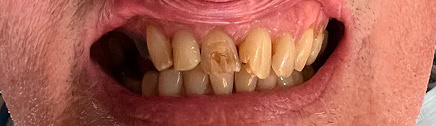
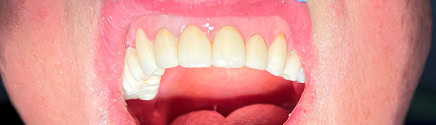
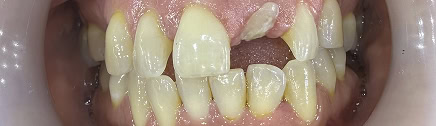
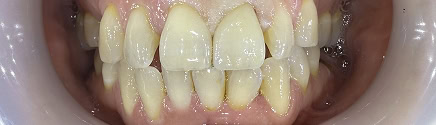
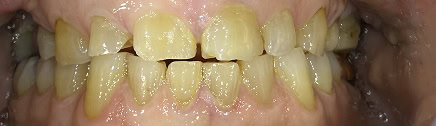
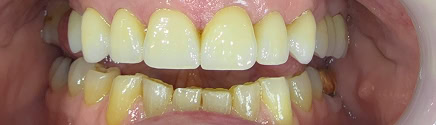
These images show examples of dental treatments completed at our clinic, demonstrating the range of care we provide for our patients.
Disclaimer: Individual results may vary. Images shown are of actual patients with consent.
WHAT MAKES US DIFFERENT
Why Choose On Point Dental for Dental Implants
Complete Implant Treatment In-House
Performed by: Dr Jeetash Kumar - General Dentist, AHPRA Registration No. DEN0002285548
We manage the full implant process in our Fremantle clinic, from assessment and planning to placement and restoration. Keeping treatment in one clinic supports consistent communication and coordinated timing between stages. As implant outcomes vary based on anatomy and healing, we discuss individual considerations to help you understand the overall treatment pathway and expected timelines.
Accessible Implant Options
We aim to make implant treatment accessible by accepting major health funds and offering payment plans with weekly repayments and interest-free periods. Terms and conditions apply, including eligibility requirements and lender approval. We provide clear cost estimates and explain coverage considerations to help you plan treatment in a transparent, organised way that supports your financial preferences.
Focus on Patient Comfort
We understand implant treatment may feel daunting, so we prioritise clear guidance and supportive care throughout each stage. Appointment structures aim to reduce waiting times, and we explain what to expect before and after procedures. While comfort levels vary between individuals, our team works to create a calm environment and address questions so patients feel well-supported.
$299
Dental Package Available for New Patients: Complete Preventive Care Services in One Appointment
Scale, Clean, Fluoride Treatment, and X-rays Package
*New patients only. Cannot be combined with insurance claims.
See full terms and conditions.
Quality Dental Care that Fits Your Budget
We work with major health funds and offer flexible payment options to help make dental care more accessible and manageable for our patients.


HBF Member Plus Preferred Provider
- Eligible HBF Member Plus members can receive reduced gap payments on many dental services.
- We process your health fund claim on the spot, and you’ll pay only the gap amount.
- Our team can check your cover and provide an estimate of your out-of-pocket costs before treatment begins.
- Being a preferred provider means we meet HBF's quality and service standards, giving you added security in your care.


NIB First Choice Preferred Provider
- NIB First Choice members may receive higher benefits and lower gap payments when they visit our clinic.
- We submit your claim directly to NIB, making the process straightforward and reducing paperwork for you.
- Our reception team can explain your NIB benefits and help you understand what's included in your cover.
- We're committed to transparent pricing, so you'll know your expected costs before we start any treatment.






Flexible Payment Plans Available
Fund My Dental


YOUR FIRST VISIT
What to Expect When You Visit
On Point Dental
Schedule Your Visit
We Check: Teeth, gums, jaw joints, oral cancer screening, bite alignment, existing dental work
Fill Out Your Patient Forms
What to Bring: Health fund card, Medicare card (if applicable), list of current medications
Detailed Oral Assessment
We Check: Teeth, gums, jaw joints, oral cancer screening, bite alignment, existing dental work
Treatment Plan Discussion
Transparent Pricing: All costs explained upfront, payment plans available, health fund rebates calculated.
Begin Your Dental Care
Ongoing Care: Regular check-ups every 6 months, reminders sent, family appointments coordinated
THE TEAM
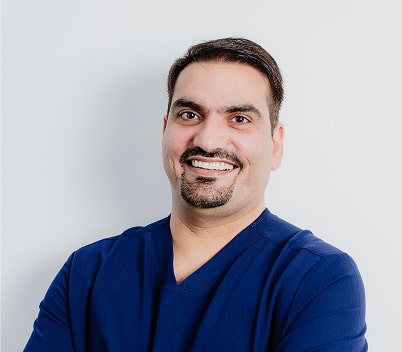
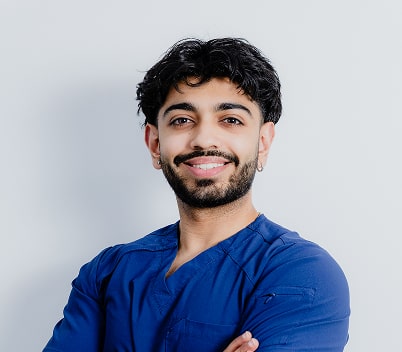
Our Friendly Team - Meet The Faces Behind Your Smile
Our dental team brings diverse training and experience to provide quality care, and they’re supported by our skilled dental assistants and administrative team, who help make your visit run smoothly.
Credentials


Credentials


Credentials

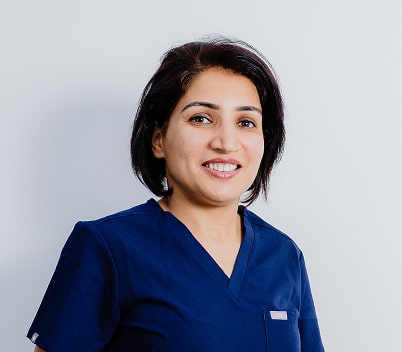
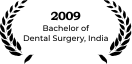
Dr Ahlawat is a certified Invisalign provider with experience across multiple countries, offering cosmetic dentistry, orthodontic treatment, and supportive care for patients who feel anxious about dental visits.
Credentials


FAQ
Frequently Asked Questions
What is a single tooth implant?
The single-tooth implant procedure involves several stages over a few months. The titanium post is surgically placed into your jawbone. Over time, it integrates with your bone tissue through osseointegration. Once integration is complete, an abutment (connector piece) is attached to the post, and a custom crown is placed on top.
Unlike dental bridges, which require modifying neighbouring teeth, implants function independently.
During a consultation, the dentist will assess your oral health, bone density, and medical history. They will determine whether this option is suitable for you.
What happens during the single-tooth implant process?
The procedure follows these steps:
- Initial consultation and assessment: The dentist examines your oral health, takes X-rays or scans to assess bone structure, and discusses your medical history.
- Implant placement surgery: Under local anaesthetic, the dentist makes a small incision in your gum and carefully places the titanium post into the bone at the missing tooth site.
- Healing and osseointegration: Over the following months, your jawbone grows around the titanium post, securing it in place.
- Abutment placement: Once osseointegration is complete, the dentist attaches an abutment to hold your crown. Your gums heal around this for a few weeks.
- Crown placement: Impressions are taken to create a custom crown that matches your natural teeth.
What can I expect regarding discomfort during the procedure?
The dentist administers a local anaesthetic to numb the area completely before beginning. You shouldn’t feel sharp sensations during implant placement, though you may notice pressure or movement. Sedation options may be available if you experience dental anxiety.
After the anaesthetic wears off, some people experience tenderness, mild swelling, or discomfort at the implant site for several days. Over-the-counter pain relief is often sufficient.
The area feels better within a few days to a week as healing progresses. Contact your dental clinic if you experience excessive discomfort, signs of infection such as fever or significant swelling, or if symptoms don’t improve with time.
What can I expect after undergoing single-tooth implant surgery?
- The surgical site may feel tender or sore once the anaesthetic wears off, peaking within the first 48 hours before gradually improving.
- Minor swelling around the implant site and possibly some facial bruising are common and usually subside within a week.
- A small amount of bleeding on the first day is normal.
- You’ll need to eat soft foods for several days whilst the area heals.
- Your jawbone begins to grow around the titanium post, a process called osseointegration.
- The gum tissue heals and may take 1 to 2 weeks to feel normal.
- Most people return to their usual routines within a few days, though you should avoid strenuous exercise for about a week.
Will I be able to work the next day after a single-tooth implant surgery?
You may be able to return to work if:
- Your job mainly involves sitting or light desk work with minimal physical demands.
- Your work doesn’t require extensive speaking or potential facial contact.
- Your workplace environment is clean and allows for breaks if needed.
- Your job requires heavy lifting, strenuous activity, or physical labour.
- Your work involves potential facial contact or dusty environments.
- You experience more discomfort than expected during the initial healing phase.
Discuss your work circumstances with the dentist during your consultation to receive personalised advice tailored to your situation.
What is the typical lifespan of a single tooth implant?
- Brushing twice daily, flossing, and keeping the area clean help prevent infection and inflammation.
- Regular professional cleanings and check-ups allow the dentist to monitor the implant and surrounding tissues.
- Smoking affects blood flow and healing, leading to higher rates of implant complications.
- Adequate bone density and quality support the implant over time.
- Excessive force from teeth grinding can place stress on the implant. A nightguard may be recommended if you grind your teeth.
- Conditions such as unmanaged diabetes can affect the integration between the implant and the bone.
The crown component may require replacement at some point due to wear, though the timeframe varies between individuals.
What can I expect regarding eating function after implant placement?
During the initial healing phase (first few weeks):
- You’ll need to stick to soft foods like yoghurt, mashed vegetables, smoothies, eggs, and soup.
- Avoid chewing on the implant side.
- Skip very hot foods, hard vegetables, crusty bread, and sticky sweets.
- You can slowly introduce firmer foods as the dentist confirms healing is progressing well.
- Remain somewhat cautious until the final crown is placed.
- Most people can comfortably eat a wide variety of foods.
- The implant and crown function similarly to a natural tooth.
- You may remain conscious of being careful with very hard foods.
How does a single-tooth implant typically feel?
The surgical area can feel tender while healing. Some people describe a mild awareness of something new in their mouth.
As your gum tissue heals around the abutment, you might notice slight soreness or pressure. Once the final crown is fitted and healing is complete, the implant can be used for chewing. The sensation can differ from that of natural teeth, as implants lack the nerves of natural teeth. Over time, most people adapt to this change.
If the implant feels loose or uncomfortable, or differs from what the dentist described as normal, contact your dental clinic for assessment.
What can I expect regarding the appearance of a single-tooth implant?
The crown is custom-made to fit the space and be proportionate to your other teeth. Modern dental crowns can include surface details that resemble natural enamel. A custom crown is designed to complement surrounding teeth. However, achieving an exact match can be challenging, especially if natural teeth vary in shade.
Front teeth are more visible when you smile or speak, so appearance is particularly important for anterior implants.
The dentist will discuss your aesthetic goals during the planning phase. Communicate any specific concerns clearly during your consultation.
How often should I see the dentist after getting a single-tooth implant?
- Within 1 to 2 weeks after surgery: The dentist checks the surgical site, assesses healing, and may take out stitches if placed.
- Over the following months: Additional visits allow monitoring of how well the implant is integrating with your bone.
- Once healing is complete: You’ll have an appointment for crown placement.
- Every 6 months after completion: Continue with standard twice-yearly dental visits for examinations and professional cleaning to monitor your implant, surrounding gum tissue, and overall oral health.
- You have a history of periodontal disease (more frequent cleanings help prevent infection around the implant).
- You smoke (The dentist might recommend more frequent monitoring).
- You grind your teeth (regular check-ups allow assessment of whether this affects your implant or crown).
What are the risks of single-tooth dental implants?
Potential issues that may occur include:
- Infection at the implant site: Signs may include pain, swelling, redness, or discharge. Maintaining good oral hygiene and following aftercare instructions helps lower this risk.
- Nerve damage: In rare cases, this can cause numbness, tingling, or altered sensation in your lip, chin, tongue, or gums. Careful planning with 3D imaging helps reduce this risk.
- Sinus problems: For implants in the upper back jaw, the implant may extend into the sinus cavity if the bone height is insufficient. This can cause sinus irritation or infection.
- Implant failure: Occasionally, an implant does not bond properly with the jawbone due to infection, low bone quality, smoking, or other health factors. The implant may become loose or require further dental management.
- Bone loss around the implant: The bone may gradually reduce, especially if peri-implantitis, an inflammatory condition, develops.
- Damage to nearby structures: During placement, nearby teeth, blood vessels, or soft tissues could be affected. This is uncommon when treatment is carefully planned.
- Crown complications: The crown may chip, crack, or become unstable over time. The dentist can make adjustments or provide a new crown if necessary.
When exploring different tooth replacement options, understanding these potential concerns helps you compare the benefits and limitations of implants, bridges, and dentures.
What happens if a single-tooth implant fails?
- Assessment and diagnosis: The dentist examines the implant, takes X-rays, and determines the cause of failure. Signs include the implant feeling loose or mobile, persistent pain or discomfort, persistent swelling or bleeding, visible shifting in position, or significant bone loss.
- Implant extraction: The failed implant is taken out under local anaesthetic. This is usually a straightforward procedure.
- Healing period: The site needs time to heal before considering replacement, which might take several months.
- Addressing underlying causes: If infection, poor bone quality, or other issues contributed to the failure, these need to be addressed before attempting replacement.
- Replacement or alternative options: Once healing is complete and contributing factors are addressed, you might be able to have another implant placed.
Some patients who experience implant failure may be candidates for replacement once underlying issues are addressed. Outcomes vary and should be discussed during consultation. The dentist will work with you to understand what happened and develop an appropriate plan for the future.
Who is not a good candidate for single-tooth implants?
You might not be a good candidate if you have:
- Insufficient bone density or volume: Adequate jawbone is essential to support an implant. If significant bone loss is present, additional bone procedures may be required before placement. Extensive bone loss can make implants more complex.
- Active gum disease: Active gum disease must be stabilised before implant placement. Infection and inflammation can interfere with healing and implant success. Once gum health improves, implants may become an option.
- Heavy smoking habits: Smoking slows healing and reduces blood flow to the gums and bone. Smokers face higher risks of implant complications and failure.
- Unmanaged medical conditions: Conditions such as uncontrolled diabetes can slow healing and affect bone integration. Some autoimmune or bleeding disorders may also increase risk.
- Certain medications: Some medicines affect bone metabolism or healing, such as bisphosphonates used for osteoporosis or immunosuppressant medications.
- Incomplete jaw development: Young people with developing jawbones are not yet suitable for implants. Dentists generally wait until jaw growth is complete before proceeding.
- History of radiation therapy: Radiation to the head or neck may affect bone quality and healing ability, making implant placement more complex.
If you are exploring options for a single-tooth implant in Fremantle, a detailed consultation allows the dentist to assess your situation.
Some factors that initially limit implant suitability can often be managed with additional care or by stabilising underlying health conditions.
Even if implants are not appropriate right now, your situation may change over time. The dentist can discuss alternative tooth replacement options suited to your needs.
- Assessment and diagnosis: The dentist examines the implant, takes X-rays, and determines the cause of failure. Signs include the implant feeling loose or mobile, persistent pain or discomfort, persistent swelling or bleeding, visible shifting in position, or significant bone loss.
- Implant extraction: The failed implant is taken out under local anaesthetic. This is usually a straightforward procedure.
- Healing period: The site needs time to heal before considering replacement, which might take several months.
- Addressing underlying causes: If infection, poor bone quality, or other issues contributed to the failure, these need to be addressed before attempting replacement.
- Replacement or alternative options: Once healing is complete and contributing factors are addressed, you might be able to have another implant placed.
Are there alternative options for replacing a single tooth?
- Dental bridge: A prosthetic tooth supported by crowns placed on natural teeth beside the gap. This involves preparing the neighbouring teeth by reshaping some of their enamel. Bridges can last 10 to 15 years with proper care and do not involve surgery, but they do modify adjacent healthy teeth.
- Partial denture: A detachable option that can restore one or more missing teeth. The prosthetic tooth attaches to a framework that clips onto remaining natural teeth or rests on the gums. Partial dentures are often the most economical option, though they can feel less stable while eating.
- Resin-bonded bridge (Maryland bridge): Uses a framework bonded to the backs of nearby teeth with minimal tooth preparation compared to traditional bridges. This may be suitable for front teeth, but not for every situation.
- No replacement: Some people choose not to fill the gap left by a missing tooth. However, leaving spaces can allow neighbouring teeth to shift, affect bite alignment, or cause gradual bone loss.
Is a single-tooth implant covered by health funds?
Even with health fund cover, you will have out-of-pocket expenses. The single-tooth implant surgery involves several item numbers, including surgical placement, abutment, and crown, each with separate benefit amounts.
To understand your cover:
- Contact your health fund directly and ask about dental implant cover, waiting periods, annual limits, and likely out-of-pocket costs.
- Confirm whether preliminary procedures such as bone grafting or tooth extraction are included.
- Request detailed information about item numbers and benefit amounts.
Health funds usually provide more cover for procedures considered medically necessary than for those viewed as mainly cosmetic.
Contact your health fund before scheduling your implant procedure to confirm your cover and plan accordingly.
Important Information
Any surgical or invasive procedure carries risks. Before proceeding, you should seek a second opinion from an appropriately qualified health practitioner. A consultation is required to assess your suitability for dental implants. Individual circumstances vary, and results may differ between patients.
This information is provided by [Practice Name], [Practice Address]. Principal Dentist: Dr [Dentist Name], Dentist – General Registration, AHPRA Registration Number: [Number]. For appointments or enquiries, contact us on [phone number].
