
Cosmetic Dentistry
Porcelain Veneers in Fremantle: Information and Options

What we do?
Tooth-Coloured Shells Attached to Enamel that May Help Improve the Appearance of Front Teeth
Each veneer is designed for the specific tooth it will cover. Treatment involves preparing the surface by removing a small amount of enamel to allow the veneer to sit flush and avoid a bulky appearance. After bonding, the veneer contributes to the smile’s overall appearance. Veneers are considered a long-term option and may require maintenance or replacement over time, depending on wear and oral health.
Porcelain has light-handling properties similar to those of enamel, helping restorations blend with surrounding teeth. Shape, shade and translucency are customised during fabrication to suit facial features and preferences, with the aim of producing a result that looks natural.

RIGHT CANDIDATE
Are Porcelain Veneers a Suitable Option for You?
Veneers may be suitable for people who want to address specific cosmetic concerns affecting their front teeth. These include discolouration that has not responded well to whitening, minor chips or cracks, small gaps between teeth, or slight irregularities in tooth shape.
A consultation is required to determine whether veneers are appropriate. Your dentist will examine your teeth, gums, and bite. Some dental concerns may be better addressed with other procedures.
Benefits
What Are the Potential Benefits and Risks of Porcelain Veneers?
Porcelain veneers for teeth may offer benefits for selected patients, such as improving the appearance of discolouration, minor misalignment and chipped teeth. The material is more stain-resistant than enamel and is designed to withstand usual chewing forces with appropriate care. Some patients report increased confidence in their smile.
Results vary between individuals. Treatment involves risks, including irreversible enamel reduction, possible sensitivity, damage requiring replacement, and ongoing cost considerations. A consultation is essential to discuss suitability, potential outcomes and risks

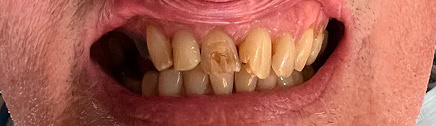
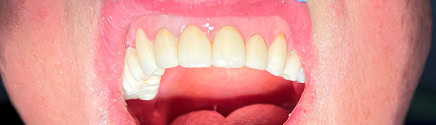
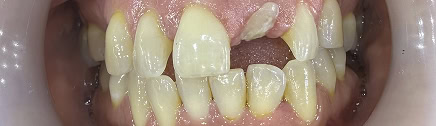
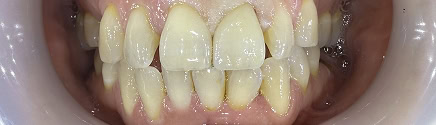
Examples of Our Dental Work
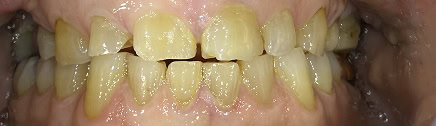
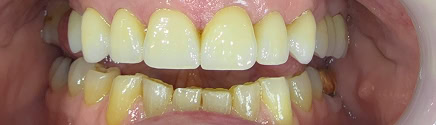
WHAT MAKES US DIFFERENT
Why Choose On Point Dental for
Porcelain Veneers
Dental crowns restore both the function and appearance of damaged teeth. Here are some reasons why patients trust On Point Dental for crown treatment.
Customised Veneer Design
Performed by: Dr Jeetash Kumar - General Dentist, AHPRA Registration No. DEN0002285548
We assess facial features, tooth proportions and aesthetic goals to design veneers tailored to your needs. Digital previews help illustrate potential outcomes, and we discuss material options, shade selection and treatment considerations. As results depend on individual anatomy and tooth structure, we provide clear information to help set realistic expectations before beginning the veneer process.
Quality Materials and Techniques
We use porcelain materials known for their appearance and resistance to staining. Our dentists use preparation and bonding techniques to enhance the longevity of veneers. Attention to detail during fabrication and fitting helps achieve a natural look, and we explain how maintenance habits influence the long-term performance of porcelain veneers.
Comprehensive Treatment Planning
For patients seeking broader cosmetic changes, veneers can be planned alongside treatments such as whitening, crowns or Invisalign. Coordinating these procedures in one clinic helps maintain consistency across your smile transformation. Treatment sequencing, individual suitability, and expected timelines are clearly discussed, supporting an organised and practical approach to achieving your cosmetic goals.
New Patient Special Offer
$299
Dental Package Available for New Patients: Complete Preventive Care Services in One Appointment
*New patients only. Cannot be combined with insurance claims.
See full terms and conditions.
Quality Dental Care that Fits Your Budget
We work with major health funds and offer flexible payment options to help make dental care more accessible and manageable for our patients.


HBF Member Plus Preferred Provider
- Eligible HBF Member Plus members can receive reduced gap payments on many dental services.
- We process your health fund claim on the spot, and you’ll pay only the gap amount.
- Our team can check your cover and provide an estimate of your out-of-pocket costs before treatment begins.
- Being a preferred provider means we meet HBF's quality and service standards, giving you added security in your care.


NIB First Choice Preferred Provider
- NIB First Choice members may receive higher benefits and lower gap payments when they visit our clinic.
- We submit your claim directly to NIB, making the process straightforward and reducing paperwork for you.
- Our reception team can explain your NIB benefits and help you understand what's included in your cover.
- We're committed to transparent pricing, so you'll know your expected costs before we start any treatment.






Flexible Payment Plans Available
Fund My Dental


YOUR FIRST VISIT
What to Expect When You Visit
On Point Dental
Schedule Your Visit
We Check: Teeth, gums, jaw joints, oral cancer screening, bite alignment, existing dental work
Fill Out Your Patient Forms
What to Bring: Health fund card, Medicare card (if applicable), list of current medications
Detailed Oral Assessment
We Check: Teeth, gums, jaw joints, oral cancer screening, bite alignment, existing dental work
Treatment Plan Discussion
Transparent Pricing: All costs explained upfront, payment plans available, health fund rebates calculated.
Begin Your Dental Care
Ongoing Care: Regular check-ups every 6 months, reminders sent, family appointments coordinated
THE TEAM
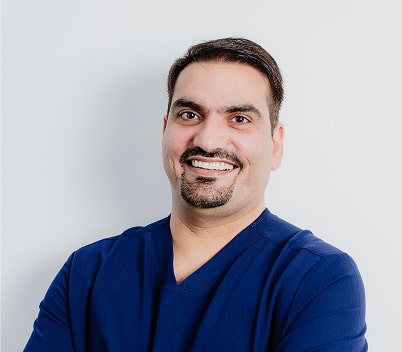
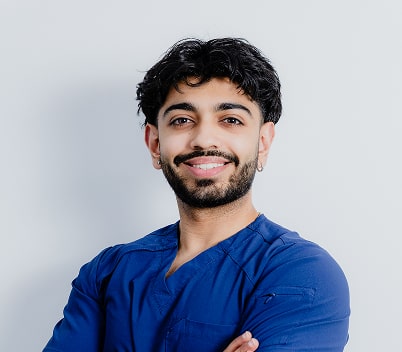
Our Friendly Team - Meet The Faces Behind Your Smile
Our dental team brings diverse training and experience to provide quality care, and they’re supported by our skilled dental assistants and administrative team, who help make your visit run smoothly.
Credentials

Credentials

Credentials

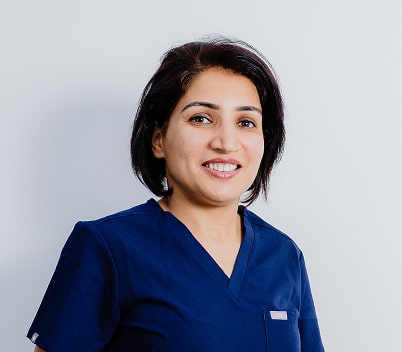
Dr Ahlawat is a certified Invisalign provider with experience across multiple countries, offering cosmetic dentistry, orthodontic treatment, and supportive care for patients who feel anxious about dental visits.
Credentials

FAQ
Frequently Asked Questions
What is the typical lifespan of porcelain veneers?
- Oral hygiene habits: People who brush twice daily and floss regularly help extend the lifespan of their veneers. Good oral hygiene keeps the underlying teeth and gums healthy.
- Dietary choices: Those who regularly consume hard foods or sticky lollies may experience veneer damage sooner. Habitually biting into hard objects can also affect veneer longevity.
- Teeth grinding or clenching: Individuals who grind their teeth during sleep may place extra pressure on veneers. Wearing a mouthguard can help protect them.
- Dental check-up attendance: Regular visits to your dentist help detect issues with your veneers early. Finding problems early helps address them before they become more complex.
- Placement quality: Veneers placed carefully and properly bonded during the initial procedure tend to last longer.
- Lifestyle factors: People who smoke or drink excessive amounts of staining beverages may notice changes in their veneers’ appearance over time.
- Accidental trauma: Those who participate in contact sports or experience facial injuries may damage their veneers earlier than expected. Wearing a mouthguard during sports can help protect the veneers.
What can I expect during the porcelain veneer procedure?
- Initial consultation and assessment: Your dentist examines your teeth and discusses your goals. This helps determine whether veneers may be suitable.
- Tooth preparation: A small amount of enamel is carefully trimmed from the front surface of your teeth. This creates space for the veneers.
- Impression taking: Your dentist takes detailed impressions or digital scans of your prepared teeth. These are sent to a dental laboratory where your veneers are crafted.
- Temporary veneer placement: While your custom porcelain veneers are being made, your dentist may place temporary veneers. These cover your prepared teeth.
- Shade selection: You work with your dentist to choose the colour and translucency of your veneers.
- Veneer try-in: Once your veneers arrive from the laboratory, your dentist places them on your teeth without bonding. This allows you to check the appearance.
- Final bonding: After any necessary adjustments, your dentist thoroughly cleans your teeth. They then bond the veneers using a strong dental adhesive.
- Bite adjustment: Your dentist checks your bite and makes any final adjustments.
What dietary considerations should be taken into account when considering porcelain veneers?
Here are dietary considerations to keep in mind:
- Hard foods: Biting into hard foods such as nuts or hard lollies may put unnecessary pressure on your veneers. Ice and crusty bread can also increase the risk of chips or cracks.
- Sticky foods: Chewy or sticky items such as caramels, toffees, or certain dried fruits can pull on veneers. This may potentially affect the bonding over time.
- Staining foods and drinks: Coffee, tea, red wine, berries, and foods with strong pigments may cause gradual discolouration. This is particularly true along the edges where the veneer meets your natural tooth.
- Acidic foods and beverages: Citrus fruits, soft drinks, and vinegar-based foods can weaken tooth enamel around the veneers. This happens if consumed frequently without proper oral care afterwards.
- Using teeth as tools: Opening packages, tearing tags, or biting non-food items with your veneered teeth can cause damage. This type of damage may have been avoidable.
- Temperature extremes: Consuming very hot food immediately followed by very cold drinks may cause slight expansion and contraction. This is rarely an issue with modern porcelain veneers, however.
How natural do porcelain veneers appear?
The natural appearance depends on several factors, including the shade selection process. You work with your dentist to choose a colour that matches your other teeth or achieves your desired level of brightness. The thickness, shape, and texture are also customised during fabrication to suit your facial features.
Your dentist will consider your preferences during the planning stage and may show you examples or digital simulations. This helps you understand what to expect.
Is the porcelain veneer procedure reversible?
This is an important consideration when deciding whether porcelain veneers treatment is appropriate for your situation. The enamel alteration is minimal, often around 0.5 millimetres, but it does mean this is a long-term commitment.
If veneers ever need to be replaced, your dentist can carefully remove the old ones. They can then place new ones on the prepared teeth. Understanding this commitment can help you make an informed decision about whether veneers suit your goals.
What concerns can porcelain veneers address?
- Discolouration: Teeth that have become darkened or stained due to factors like ageing, medications, or root canal procedures may be candidates. Veneers can be suitable when other whitening options are less appropriate.
- Chips and minor cracks: Small chips or cracks on the front surface of teeth can often be covered with veneers. This creates a smoother appearance.
- Uneven teeth: Teeth that are slightly different lengths or have irregular edges can be made to appear more uniform. Carefully shaped veneers help achieve this.
- Minor spacing issues: Small gaps between teeth may be addressed with veneers slightly wider than the natural teeth. This approach, however, has limitations depending on the size of the gaps.
- Slightly misaligned teeth: Minor rotations or positioning concerns might be improved with veneers. More significant alignment issues are often addressed through orthodontic options.
- Worn enamel: Teeth that have become worn down over time due to grinding, acid erosion, or ageing may regain a more youthful appearance. Veneers can help with this concern.
- Unusually small teeth: Teeth that appear smaller than surrounding teeth or are shorter due to wear can be built up with veneers. This creates a more balanced smile.
What is the timeline for porcelain veneer treatment?
The procedure generally follows this timeline:
- Week 1-2: You attend an initial consultation where your dentist examines your teeth, gums, and bite. They discuss your goals and determine whether veneers may be appropriate. Digital photographs and possibly X-rays are taken.
- Week 2-3: If you decide to proceed, you return for the tooth preparation appointment. Your dentist trims a small amount of enamel and takes impressions or digital scans. Temporary veneers are usually placed.
- Week 4-5: Your custom veneers are crafted at a dental laboratory, which generally takes 2-3 weeks. During this time, you’ll wear your temporary veneers.
- Week 5-6: You return for your final placement appointment. Your dentist takes off the temporary veneers, tries in your custom veneers, makes adjustments, and bonds them to your teeth.
What factors should I consider when deciding whether porcelain veneers are appropriate?
Here are key factors to think about when considering veneers:
- Long-term commitment: Veneers involve a lasting change to your tooth structure. This means you’ll need to maintain them or replace them if they become damaged or worn over time.
- Cost considerations: The investment required for veneers can be substantial. You’ll want to understand the full cost and whether your health fund provides any contribution towards the procedure.
- Maintenance requirements: Whilst veneers don’t need special care beyond regular oral hygiene, you’ll need to maintain consistent brushing, flossing, and dental visits. This protects both the veneers and the underlying teeth.
- Realistic expectations: Understanding what veneers can and cannot do helps prevent disappointment. Discussing your goals with your dentist during the consultation is important.
- Alternative options: Other cosmetic procedures, such as teeth whitening, bonding, or orthodontic work, might address your concerns differently. It’s worth exploring all possibilities.
- Oral health status: Your teeth and gums must be in good condition before veneers can be placed. This may mean addressing any existing decay or gum concerns first.
- Lifestyle habits: If you grind your teeth, play contact sports, or have habits that could damage veneers, discussing protective measures is important. Your dentist can guide you on this.
- Time availability: The process involves multiple appointments over several weeks. You’ll need to be available for these visits and any follow-up care.
Do health funds cover porcelain veneers?
The extent of health fund contribution often depends on why you’re having veneers placed. If veneers address a functional issue rather than purely cosmetic improvement, some funds may provide a higher contribution.
Before proceeding, ask your dentist for an itemised quote to submit to your health fund for pre-approval. This allows you to understand your expected out-of-pocket costs before committing to the procedure.
What are the downsides of porcelain veneers?
Here are potential downsides to consider:
- Irreversible tooth alteration: The alteration of enamel during preparation means your teeth will always need some form of covering. This could be veneers or another type of restoration, both of which represent a lasting commitment.
- Cost investment: Veneers can be expensive, particularly if you’re having multiple teeth done. Most health funds provide little or no contribution for cosmetic procedures.
- Potential sensitivity: Some people experience increased tooth sensitivity to hot or cold temperatures after veneer placement. This is particularly common during the initial adjustment period, though it often decreases over time.
- Risk of damage: Veneers can chip, crack, or become dislodged if subjected to excessive force. This may need attention or replacement and additional costs.
- Maintenance and replacement: Veneers don’t last forever and will eventually need to be replaced. This involves additional time and expense over your lifetime.
- Limited adjustability: Once veneers are bonded to your teeth, the colour and shape cannot be altered without replacing the entire veneer. Choosing the right appearance initially is important.
- Not suitable for all situations: People with significant tooth decay, gum disease, severe misalignment, or insufficient enamel may not be suitable candidates. Some may need preliminary work before veneers can be considered.
If the downsides seem concerning, your dentist can also discuss alternative options that might address your concerns differently.
What happens at a porcelain veneer consultation?
Here’s what generally happens during a veneer consultation:
- Examination and assessment: Your dentist examines your teeth, gums, and bite to evaluate your oral health. This determines whether your teeth are suitable candidates for veneers.
- Discussion of concerns and goals: You’ll have the opportunity to explain what aspects of your smile you’d like to improve. You can share what you’re hoping to achieve with veneers.
- Procedure explanation: Your dentist explains how the veneer procedure works. This includes the preparation process, temporary veneers, and final placement steps.
- Digital imaging or photographs: Many dentists take photographs of your current smile. They may use digital imaging to show you what your smile might look like after veneers are placed.
- Alternative options discussion: Your dentist may discuss other cosmetic options that could address your concerns. These include teeth whitening, bonding, or orthodontic work to help you understand all available choices.
- Timeline overview: You’ll learn about how long the process takes from start to finish. You’ll also find out how many appointments you’ll need to attend.
- Cost information: Your dentist provides a detailed cost estimate for your specific situation. This includes the number of veneers recommended and any additional work that might be needed first.
- Questions and answers: You’ll have time to ask questions about anything you’re uncertain about. This includes the procedure itself, recovery, maintenance, or long-term expectations.
How durable are porcelain veneers?
The durability of your veneers depends largely on how you care for them and your daily habits. People who maintain good oral hygiene and avoid using their teeth to open packages tend to experience fewer issues over time. Avoiding biting hard objects also helps.
If you grind your teeth at night, wearing a mouthguard can help protect your veneers from excessive wear. While veneers are durable, they can be damaged by trauma or excessive force. Reasonable care helps maintain them for as long as possible.
Any surgical or invasive procedure carries risks. Before proceeding, you should seek a second opinion from an appropriately qualified health practitioner.
A consultation is required to assess your suitability for porcelain veneers. Individual circumstances vary, and results may differ between patients.
This information is provided by On Point Dental, [Practice Address]. Principal Dentist: [Dr Name], Dentist – General Registration, AHPRA Registration Number: [Number]. For appointments or enquiries, contact us on [phone number].
