
ORTHODONTICS
Learn About Dental Braces in Fremantle
Dental braces in Fremantle may help improve tooth alignment. Treatment suitability varies based on individual assessment by a registered dentist.

What we do?
Appliances Bonded to Teeth that Help Guide Tooth Movement Through Controlled Pressure
Dental braces use brackets bonded to the teeth and connected by a fine wire that applies controlled pressure, gradually guiding teeth into improved alignment over time.
Braces work by gradually directing tooth movement through consistent pressure, which encourages changes within the supporting bone. As the wire is adjusted over time, teeth respond to this guided force. The dentist monitors progress and makes adjustments to support tooth repositioning. This process aims to improve alignment and may help create more balanced spacing and bite relationships. Outcomes vary depending on individual circumstances.
Their design may address a variety of orthodontic concerns, including spacing, crowding, and bite irregularities. Because each adjustment is tailored to individual needs, treatment progresses in planned stages. Regular monitoring helps confirm the appliance continues to apply the appropriate pressure for gradual, controlled movement.

RIGHT CANDIDATE
Could Dental Braces Be a Suitable Orthodontic Option for You?
Dental braces are one treatment option for various orthodontic concerns. A comprehensive assessment by a registered dentist determines whether braces are appropriate for an individual’s oral health needs.
Suitability depends on individual factors such as tooth movement needs, oral hygiene habits and your commitment to regular appointments. Your dentist will discuss appropriate options and outline what you can realistically expect from orthodontic treatment.
Benefits
What Advantages Might Dental Braces Offer for Patients?
Dental braces may help improve tooth alignment and bite function for many patients. When teeth are guided into more balanced positions, some patients may experience reduced uneven wear and improved chewing comfort. Individual results vary.
More even spacing between teeth may facilitate oral hygiene for some patients. When recommended by a registered dentist, braces provide a structured, monitored treatment approach. Potential improvements in dental function and appearance vary depending on individual circumstances and treatment goals discussed during consultation.

PROVEN RESULTS & EXPERT CARE
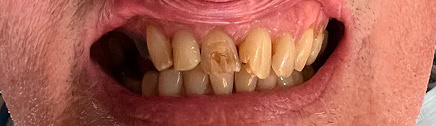
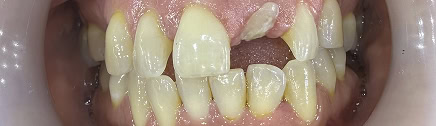
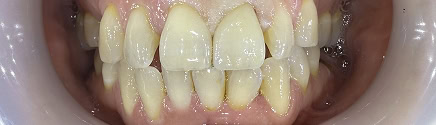
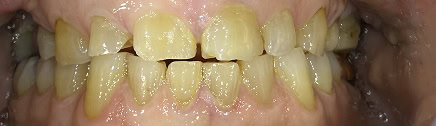
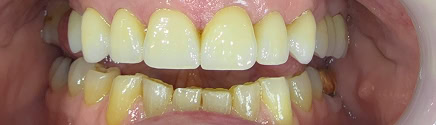
Examples of Our Dental Work
These images show examples of dental treatments completed at our clinic, demonstrating the range of care we provide for our patients.
Disclaimer: Individual results may vary. Images shown are of actual patients with consent.

WHAT MAKES US DIFFERENT
Why Choose On Point Dental for Orthodontic Treatment
Invisalign Treatment Available In-House
Our clinic provides Invisalign treatment using digital scanning to plan the sequence of aligners. Receiving orthodontic care in a familiar environment supports continuity with a clinician who is familiar with your dental history. Treatment suitability varies, and we discuss expected timelines and individual considerations to help you understand how Invisalign may fit your needs and what to anticipate during your orthodontic journey.
Convenient Fremantle Location
Orthodontic treatment involves regular appointments, so accessibility is important. Our clinic is located near Fremantle train station with convenient public transport and parking options. We also offer Sunday and flexible appointment times to accommodate work, family and FIFO schedules. This helps you maintain consistent monitoring throughout treatment without disrupting your weekly commitments.
Integrated with General Care
Because we provide general and restorative dentistry at the same location, any dental needs that arise during orthodontic treatment can be addressed promptly. This integration helps support ongoing oral health while your teeth are moving. With your records and orthodontic planning managed by the same team, communication remains clear, and your care can progress in a coordinated, organised way.
New Patient Special Offer
$299
Dental Package Available for New Patients: Complete Preventive Care Services in One Appointment
*New patients only. Cannot be combined with insurance claims.
See full terms and conditions.
INSURANCE & PAYMENT OPTIONS
Quality Dental Care That Fits Your Budget
We work with major health funds and offer flexible payment options to help make dental care more accessible and manageable for our patients.


HBF Member Plus Preferred Provider
- Eligible HBF Member Plus members can receive reduced gap payments on many dental services.
- We process your health fund claim on the spot, and you’ll pay only the gap amount.
- Our team can check your cover and provide an estimate of your out-of-pocket costs before treatment begins.
- Being a preferred provider means we meet HBF's quality and service standards, giving you added security in your care.
- HBF Member Plus preferred provider status allows eligible members to access reduced payments. Terms and conditions apply.


NIB First Choice Preferred Provider
- NIB First Choice members may receive higher benefits and lower gap payments when they visit our clinic.
- We submit your claim directly to NIB, making the process straightforward and reducing paperwork for you.
- Our reception team can explain your NIB benefits and help you understand what's included in your cover.
- We're committed to transparent pricing, so you'll know your expected costs before we start any treatment.






Flexible Payment Plans Available
Fund My Dental


YOUR FIRST VISIT
What to Expect When You Visit On Point Dental
Our first appointment process is designed to be clear and thorough, allowing us to assess your oral health and discuss your treatment options in a relaxed, supportive environment.
Schedule Your Visit
Contact our friendly reception team by phone or through our online booking system to arrange your first appointment. We’ll find a time that suits your schedule and answer any initial questions you might have about your visit.
We Check: Teeth, gums, jaw joints, oral cancer screening, bite alignment, existing dental work
Fill Out Your Patient Forms
During your appointment, you’ll complete a health history form that helps us understand your medical background, current medications, and any dental concerns. This information allows us to provide care that’s appropriate for your individual circumstances.
What to Bring: Health fund card, Medicare card (if applicable), list of current medications
Detailed Oral Assessment
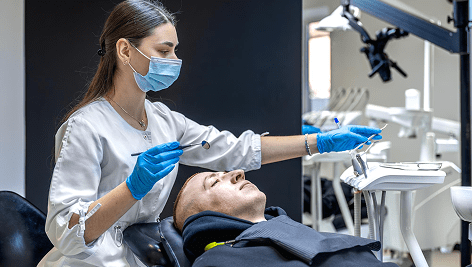
During your first visit, your dentist will conduct a thorough examination of your teeth, gums, and oral structures. This may include digital X-rays if needed to assess areas not visible during the visual examination, giving us a complete picture of your oral health.
We Check: Teeth, gums, jaw joints, oral cancer screening, bite alignment, existing dental work
Treatment Plan Discussion
Your dentist will discuss their findings with you and explain any areas of concern. If treatment is needed, we’ll talk through your options, answer your questions, and provide clear information about what each approach involves so you can make educated decisions about your dental care.
Transparent Pricing: All costs explained upfront, payment plans available, health fund rebates calculated.
Begin Your Dental Care
Once we’ve agreed on a treatment approach, we can often start addressing your dental needs at the same appointment for straightforward procedures. For more complex treatments, we’ll schedule follow-up appointments and provide you with the information you need to prepare.
Ongoing Care: Regular check-ups every 6 months, reminders sent, family appointments coordinated
THE TEAM
Our Friendly Team - Meet The Faces Behind Your Smile
Our dental team brings diverse training and experience to provide quality care, and they’re supported by our skilled dental assistants and administrative team, who help make your visit run smoothly.

Credentials




Credentials


Credentials



Dr Ahlawat is a certified Invisalign provider with experience across multiple countries, offering cosmetic dentistry, orthodontic treatment, and supportive care for patients who feel anxious about dental visits.
Credentials



FAQ
Frequently Asked Questions
Find answers to common questions about teeth straightening in Fremantle, including how they work, treatment duration, and what to expect during your orthodontic care.
What are dental braces, and how do they work?
Dental braces are orthodontic devices designed to align and straighten teeth over time. They work by applying consistent, controlled pressure to guide teeth into their proper positions. Braces consist of brackets attached to each tooth, connected by a wire that guides tooth movement. This system allows your dentist to control tooth movement throughout your orthodontic treatment.
The wire in your braces is periodically adjusted during appointments to maintain steady pressure on your teeth. As pressure is applied, your jawbone gradually remodels, allowing teeth to move into better alignment. Over months or years, this process can improve the appearance and function of your smile. If you’re considering dental braces in Fremantle, we will closely monitor your progress to assess their effectiveness.
How do clear aligners differ from dental braces?
Clear aligners and dental braces have the same goal of gradually straightening your teeth into better alignment. However, they achieve this in different ways and are better suited to different types of patients and dental conditions. The key differences between these two treatment options reflect distinct approaches to tooth movement:
Aspect | Clear Aligners | Dental Braces in Fremantle |
Appearance |
|
|
Treatment Duration |
|
|
Comfort |
|
|
Removability |
|
|
Treatment Capability |
|
|
Oral Hygiene |
|
|
Cost |
|
|
Both options can help achieve functional and aesthetic improvements in tooth alignment when appropriate for your dental situation. The most suitable option depends on your specific tooth movement needs, lifestyle preferences, commitment level, and your dentist’s recommendations following a thorough assessment. If you’re considering orthodontic braces in Fremantle, contact us today!
How do dental braces help improve bite alignment?
Dental braces work by applying controlled, consistent pressure to gradually move teeth into better alignment. Understanding how this process supports bite function can help you see why many patients choose braces as part of their long-term oral health plan. Here’s how braces help improve bite alignment:
- Adjusting Overbite Issues: When the upper front teeth overlap significantly with the lower teeth, braces can help gradually move the teeth into a more balanced position. This adjustment may reduce strain on your jaw and help improve how your upper and lower teeth meet when you bite.
- Addressing Underbite Concerns: An underbite occurs when the lower front teeth extend beyond the upper front teeth. Braces apply targeted pressure to help reposition both upper and lower teeth, which may create a more balanced bite and reduce uneven tooth wear.
- Addressing Crossbite Misalignment: A crossbite happens when some upper teeth sit inside lower teeth. Through gradual repositioning, braces can help align these teeth properly, potentially reducing uneven pressure and supporting a more comfortable chewing function.
- Filling Gaps Between Teeth: Spaces between teeth can affect how bite force is distributed. Braces gradually fill these gaps by moving teeth together, which may help improve bite stability and reduce strain on individual teeth.
- Straightening Crowded Teeth: When teeth overlap or crowd together, they may not meet evenly when biting. Braces create space and alignment, which can help distribute bite pressure more evenly across all teeth, potentially reducing wear and discomfort.
By addressing these alignment issues, braces help create a foundation for better bite function and ongoing oral health. When considering orthodontic braces in Fremantle, it’s essential to consult with a registered dentist to determine the most suitable treatment plan for your unique needs.
At what age should I start using dental braces?
There’s no single “right age” for dental braces, as every patient’s teeth develop differently. Children often benefit from early assessment around age seven when their first adult teeth appear. This timing allows our team to identify potential alignment issues before they become more complex. However, teenagers and adults can benefit from braces at any age when appropriate for their individual needs.
The ideal time to start braces depends on your situation, not just your age. Your dentists assess factors such as jawbone development, tooth eruption patterns, and specific alignment concerns during consultations. Starting treatment early may prevent more extensive procedures later, though this varies between individuals. We recommend scheduling an initial assessment to discuss what’s most suitable for your circumstances. Orthodontic braces in Fremantle are suitable for patients of all ages, from children to adults seeking to improve their smiles.
Is there an age limit for dental braces?
There is no strict age limit for dental braces, as orthodontic treatment can benefit patients at various life stages. While braces were historically considered a treatment for teenagers, orthodontic care now serves patients of all ages. Many adults seek orthodontic treatment to address alignment concerns they’ve carried for decades. At our dental clinic, we support patients of all ages exploring braces as an option for their dental needs.
The ideal timing for treatment depends on individual factors rather than age alone, including bone density, gum health, and specific dental goals. Younger patients often benefit from treatment during their teenage years, when jawbones are still developing and more responsive to movement. Adult patients can achieve better results with braces, though treatment timelines may differ from younger patients. Your dentist can assess your situation during a consultation and discuss whether braces may be suitable for you.
Are there dental conditions that make dental braces unsuitable?
While dental braces can help many people achieve better tooth alignment, they may not be suitable for everyone. Certain dental and health conditions need to be addressed first, or may require a different treatment approach. Your dentist will assess your situation during a consultation to determine if braces are right for you.
- Severe gum disease (periodontitis): Active gum disease can weaken the supporting structures around your teeth. Braces apply pressure to move teeth, which may worsen gum problems if the condition is not addressed first. Your dentist will recommend addressing gum disease before starting orthodontic treatment.
- Significant bone loss: Teeth need adequate bone support to move during orthodontic treatment. If you have experienced substantial bone loss due to periodontal disease or other factors, braces may not be recommended until the underlying issue is addressed.
- Poor oral hygiene habits: Braces require consistent cleaning and maintenance to prevent decay and gum problems. If you find it difficult to maintain good oral hygiene, your dentist may discuss strategies to improve your home care before proceeding with braces.
- Uncontrolled dental decay: Active cavities or tooth decay must be addressed before braces are fitted. The brackets and wires can make it harder to clean teeth thoroughly, which may allow existing decay to progress more rapidly.
- Certain temporomandibular joint (TMJ) disorders: Some jaw joint conditions may be affected by orthodontic treatment. Your dentist will assess whether braces could impact your TMJ health and may recommend alternative approaches if needed.
- Unmanaged systemic health conditions: Conditions that affect bone health, healing, or immune function may influence orthodontic treatment planning. Your dentist will consider your overall health status and may coordinate with your doctor to determine whether treatment is suitable and appropriate for you.
These factors do not automatically rule out braces, but they do require assessment and often treatment before orthodontic work begins. Your dentist will discuss your specific circumstances and recommend the most suitable approach for your oral health needs.
What happens during a dental braces consultation?
Your first braces consultation is an important step in understanding your options and what treatment might involve. During this appointment, your dentist will assess your dental needs and discuss whether braces are suitable for you. Here’s what happens during an orthodontic consultation.
- Comprehensive Oral Examination: Your dentist will examine your teeth, gums, jaw alignment, and bite pattern to assess your oral health and identify any areas that may benefit from orthodontic treatment.
- Diagnostic Records: We may take X-rays, photographs, and dental impressions to create a detailed treatment plan tailored to your specific needs.
- Treatment Discussion: Your dentist will explain the types of braces that may be suitable for you, discuss the potential treatment timeline, and address any questions or concerns you have.
- Cost and Payment Options: We’ll provide a clear breakdown of treatment costs and discuss available payment plans to help make your dental care more manageable.
- Next Steps: If you decide to proceed, we’ll schedule your next appointment and explain what to expect as you begin your orthodontic journey.
This consultation gives you the opportunity to understand your orthodontic care options without any pressure or obligation to proceed.
How long does dental braces treatment usually take?
The duration of braces treatment varies based on individual factors like tooth position, jaw alignment, and treatment goals. Most patients wear braces for 18-36 months, though some cases may be shorter or longer. Your orthodontic assessment will help determine a realistic timeframe for your specific situation. Complex alignment issues require more time, while minor adjustments may be completed sooner.
Several factors can influence how long you’ll need braces, including your age and bone density. Consistent adjustment appointments help keep treatment progressing as planned. Following care instructions, like avoiding hard foods and maintaining good oral hygiene, can support timely results. During your consultation, your dentist will discuss an estimated timeframe based on your orthodontic needs and circumstances.
How long does it take to get used to dental braces?
Adjusting to dental braces is a gradual process that varies between individuals. Most patients find that the initial adjustment period lasts about one to two weeks. During this time, you may notice some mild discomfort as your mouth adapts to the braces. Your lips, cheeks, and tongue need time to get used to the new appliance in your mouth.
After the first few weeks, most people report feeling much more comfortable with their braces. Eating and speaking become easier as you develop new habits and techniques. Some sensitivity may occur after adjustment appointments when your dentist tightens the braces. Your dental team can discuss ways to manage any discomfort and support you through the adjustment period.
How do dental braces affect eating and drinking habits?
Adjusting to braces involves some changes to your eating and drinking routine, particularly in the first few weeks. Understanding what to expect can help you adapt more comfortably and protect your braces from damage. Here’s what you should know about eating and drinking with braces.
- Foods to avoid during treatment: Hard foods like nuts, ice, and hard lollies can break brackets or bend wires. Sticky foods such as caramel, chewing gum, and toffee can become lodged in your braces and are difficult to remove.
- Foods that require additional care: Crunchy foods like apples, carrots, and corn on the cob should be cut into smaller pieces before eating. Chewy foods like bagels and pizza crust may require more careful chewing to avoid discomfort.
- Suitable food choices: Soft foods such as pasta, yoghurt, eggs, and cooked vegetables are generally comfortable to eat throughout treatment. These options place less pressure on your braces and reduce the risk of damage.
- Drinking considerations: Water is recommended for staying hydrated and rinsing away food particles between meals. Sugary and acidic drinks, such as soft drinks and fruit juices, should be limited, as they can contribute to tooth decay around brackets.
- Adjusting your eating technique: Taking smaller bites and chewing slowly can help prevent discomfort and reduce the risk of damaging your braces. Using your back teeth for chewing rather than biting with your front teeth is often more comfortable.
Most patients adapt to these changes within a few weeks as they become more familiar with their braces. Your dental team can provide personalised advice about managing your diet during orthodontic treatment.
Can dental braces break or come loose?
Metal braces can sometimes break or come loose, though this doesn’t happen often with proper care. Brackets may detach from teeth if you bite into hard or sticky foods. Wires can bend or break if you bite down hard or experience impact during sports. These issues are usually minor and can be addressed quickly at your next appointment.
If a bracket becomes loose or a wire breaks, contact your dental clinic for advice. Most issues can wait for your scheduled appointment, but sharp wires may need prompt care for comfort. Your dentist can reattach brackets or replace wires during a short visit. Following care instructions and avoiding hard foods helps prevent damage and keeps your treatment on track.
How long do you need to wear retainers after dental braces?
After your braces are removed, retainers play an important role in maintaining your results. The duration of retainer wear varies depending on your treatment and your dentist’s recommendations. Here’s what you can typically expect.
- Initial Full-Time Wear (First 3–6 Months): Most patients are advised to wear their retainers full-time during the first few months after brace removal. This helps your teeth stabilise in their new positions while the surrounding bone and tissue adapt.
- Transition to Night-Time Wear (6–12 Months Onwards): After the initial period, many patients transition to wearing retainers only at night. Your dentist will assess your progress and let you know when it’s appropriate to reduce wear time.
- Long-Term Maintenance (Ongoing): Some patients may need to wear retainers a few nights per week indefinitely to maintain their results. Teeth can naturally shift over time, so ongoing retainer use helps preserve the alignment achieved through braces.
- Individual Factors That Influence Duration: The length of time you’ll need retainers depends on factors such as your age, the complexity of your original orthodontic issues, and how your teeth respond after treatment. Your dentist will provide a personalised retainer schedule based on your specific needs.
Your dentist will monitor your progress during follow-up appointments and adjust your retainer schedule as needed. Following their guidance helps support the long-term success of your orthodontic treatment. If you’re looking for teeth straightening in Fremantle, contact us today!
