GENERAL DENTISTRY
Scale and Clean in Fremantle to Support Oral Health
A professional scale and clean in Fremantle can help maintain your oral health by addressing plaque and tartar buildup that regular brushing may miss.
What we do?
How Scale and Clean Treatment May Support Healthy Gums and Help Reduce Tooth Decay
Regular dental cleaning may form part of maintaining oral health throughout your life and can help support healthier gums and teeth.
Even with careful brushing and flossing at home, plaque and tartar can accumulate on your teeth over time. Tartar is hardened plaque that cannot be removed by brushing alone. When plaque and tartar build up along the gumline, they can contribute to gum inflammation and tooth decay if not addressed. A professional scale and clean may help remove these deposits.
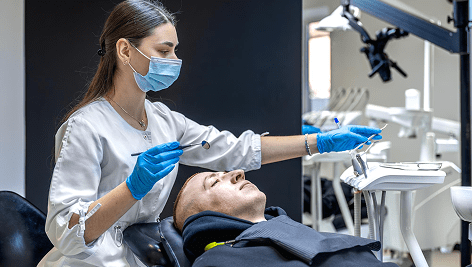
During a dental scale and clean appointment, your dentist uses instruments to carefully remove plaque and tartar from tooth surfaces and below the gumline. The cleaning includes polishing to help remove surface stains. Regular appointments, typically every six months, may help support ongoing oral health.
RIGHT CANDIDATE
Is Scale and Clean Treatment Right for You?
Most people can benefit from regular dental scale and clean treatment as part of their oral health routine. Your dentist may recommend this if you notice bleeding gums, persistent bad breath, or visible tartar buildup.
Patients with gum concerns, a history of decay, or those who find it challenging to maintain thorough home care may particularly benefit from more frequent cleanings. Your dentist can assess your individual needs and recommend an appropriate schedule during your consultation.
Benefits
How Scale and Clean May Help
Professional dental cleaning may help remove plaque and tartar that contribute to gum inflammation and tooth decay. Regular treatment may support fresher breath, healthier-looking gums, and a cleaner mouth.
Some patients report their teeth appear brighter after polishing, which may help reduce surface stains from foods and beverages. By regularly addressing buildup, you may help maintain your oral health and may reduce the need for more extensive dental work in the future.
PROVEN RESULTS & EXPERT CARE
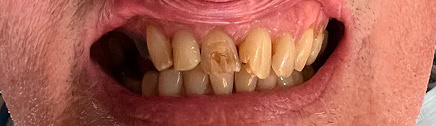
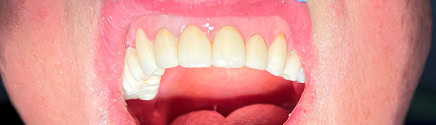
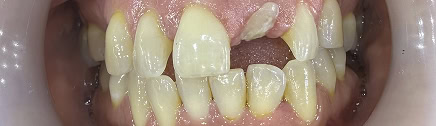
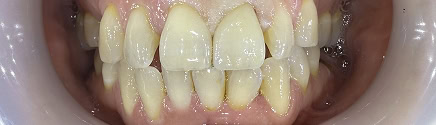
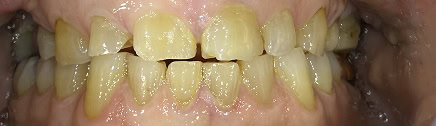
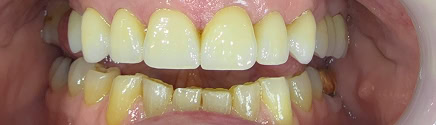
Examples of Our Dental Work
These images show examples of dental treatments completed at our clinic, demonstrating the range of care we provide for our patients.
Disclaimer: Individual results may vary. Images shown are of actual patients with consent.
WHAT MAKES US DIFFERENT
Why Choose On Point Dental for General Dentistry
Comprehensive In-House Services
Our Fremantle clinic provides general dental care in one location, including examinations, cleans, fillings and extractions. This coordinated approach supports continuity between appointments and reduces the need for external referrals. With your records held in a single clinic, treatment planning becomes more streamlined, and your ongoing oral health can be managed in a practical and organised way.
HBF and NIB Preferred Provider
As a preferred provider for HBF and NIB, and accepting other major health funds, we support patients in understanding their entitlements and claiming processes. Our team explains health fund covers clearly and helps you use your benefits appropriately. This transparent approach helps make dental care more accessible for individuals and families while keeping administrative steps straightforward during your visit.
Same-Day and FIFO-Friendly Appointments
We offer same-day appointments for urgent concerns and flexible scheduling options to support FIFO workers and families with varied routines. Located a short walk from Fremantle train station with nearby parking, our clinic is easy to reach for regular check-ups or unexpected dental needs. This helps make attending appointments more manageable, regardless of your work or lifestyle commitments.
New Patient Special Offer
$299
Dental Package Available for New Patients: Complete Preventive Care Services in One Appointment
*New patients only. Cannot be combined with insurance claims.
See full terms and conditions.
INSURANCE & PAYMENT OPTIONS
Quality Dental Care That Fits Your Budget
We work with major health funds and offer flexible payment options to help make dental care more accessible and manageable for our patients.
HBF Member Plus Preferred Provider
- Eligible HBF Member Plus members can receive reduced gap payments on many dental services.
- We process your health fund claim on the spot, and you’ll pay only the gap amount.
- Our team can check your cover and provide an estimate of your out-of-pocket costs before treatment begins.
- Being a preferred provider means we meet HBF's quality and service standards, giving you added security in your care.
- HBF Member Plus preferred provider status allows eligible members to access reduced payments. Terms and conditions apply.
NIB First Choice Preferred Provider
- NIB First Choice members may receive higher benefits and lower gap payments when they visit our clinic.
- We submit your claim directly to NIB, making the process straightforward and reducing paperwork for you.
- Our reception team can explain your NIB benefits and help you understand what's included in your cover.
- We're committed to transparent pricing, so you'll know your expected costs before we start any treatment.
Flexible Payment Plans Available
Fund My Dental
YOUR FIRST VISIT
What to Expect When You Visit On Point Dental
Our first appointment process is designed to be clear and thorough, allowing us to assess your oral health and discuss your treatment options in a relaxed, supportive environment.
Schedule Your Visit
Contact our friendly reception team by phone or through our online booking system to arrange your first appointment. We’ll find a time that suits your schedule and answer any initial questions you might have about your visit.

We Check: Teeth, gums, jaw joints, oral cancer screening, bite alignment, existing dental work
Fill Out Your Patient Forms
During your appointment, you’ll complete a health history form that helps us understand your medical background, current medications, and any dental concerns. This information allows us to provide care that’s appropriate for your individual circumstances.
What to Bring: Health fund card, Medicare card (if applicable), list of current medications
Detailed Oral Assessment
During your first visit, your dentist will conduct a thorough examination of your teeth, gums, and oral structures. This may include digital X-rays if needed to assess areas not visible during the visual examination, giving us a complete picture of your oral health.
We Check: Teeth, gums, jaw joints, oral cancer screening, bite alignment, existing dental work
Treatment Plan Discussion
Your dentist will discuss their findings with you and explain any areas of concern. If treatment is needed, we’ll talk through your options, answer your questions, and provide clear information about what each approach involves so you can make educated decisions about your dental care.
Transparent Pricing: All costs explained upfront, payment plans available, health fund rebates calculated.
Begin Your Dental Care
Once we’ve agreed on a treatment approach, we can often start addressing your dental needs at the same appointment for straightforward procedures. For more complex treatments, we’ll schedule follow-up appointments and provide you with the information you need to prepare.
Ongoing Care: Regular check-ups every 6 months, reminders sent, family appointments coordinated
THE TEAM
Our Friendly Team - Meet The Faces Behind Your Smile
Our dental team brings diverse training and experience to provide quality care, and they’re supported by our skilled dental assistants and administrative team, who help make your visit run smoothly.
Credentials
Credentials
Credentials
Dr Ahlawat is a certified Invisalign provider with experience across multiple countries, offering cosmetic dentistry, orthodontic treatment, and supportive care for patients who feel anxious about dental visits.
Credentials
FAQ
Frequently Asked Questions
If you’re considering a scale and clean in Fremantle, you might have questions. Here are common answers about scaling and cleaning procedures.
What does a scale and clean mean?
A scale and clean is a preventative dental procedure where your dentist addresses plaque and hardened tartar from your teeth and gumline. The term describes two distinct parts of the cleaning process. Understanding what each part involves can help you know what to expect.
The procedure includes these components:
- Scaling: Your dentist uses instruments to remove tartar deposits from your tooth surfaces, between your teeth, and below your gumline.
- Polishing: Your dentist uses a gritty paste and rotating tool to smooth your tooth surfaces and help remove remaining plaque and surface stains.
- Result: This professional cleaning goes beyond daily brushing and flossing. Dental instruments are designed to remove hardened tartar that home care usually cannot manage.
Is scale and clean the same as a regular cleaning?
Yes, a scale and clean is often called a regular cleaning, routine cleaning, or prophylaxis. When people talk about getting their teeth cleaned at the dentist, they’re usually referring to this procedure. For most patients attending regular six-month checkups, this is the standard preventative cleaning.
However, there are different levels of dental cleaning. A routine scale and clean is designed for patients with generally healthy gums. The type of cleaning you need may vary based on your gum health.
If you have gum disease or significant tartar buildup below the gumline, your dentist might recommend scaling and root planing. This deeper cleaning is more intensive than a standard scale and clean and usually requires local anaesthesia.
Any surgical or invasive procedure carries risks. Before proceeding, you should seek a second opinion from an appropriately qualified health practitioner.
What happens during a professional scale and clean appointment?
Your appointment follows several steps to clean your teeth and thoroughly assess your oral health. The process is systematic and designed to address all areas where plaque and tartar accumulate. Most patients find the procedure straightforward once they understand what to expect.
Your appointment includes these steps:
- Your dentist examines your mouth, checking your teeth and gums for signs of decay, damage, or gum disease.
- They use scaling instruments to debride tartar from your tooth surfaces, between your teeth, and around your gumline.
- They may use both hand scalers and ultrasonic devices, depending on the buildup and your needs.
- After removing the tartar, they polish your teeth using a rotating brush with mildly abrasive paste.
- They may finish with fluoride treatment, which may strengthen your tooth enamel.
During the procedure, you’ll recline in the dental chair. You might hear scraping sounds and feel pressure as tartar is debrided. The polishing paste has a gritty texture and comes in various flavours.
How long does a scale and clean take?
A dental scale and clean appointment usually takes between 30 minutes and 1 hour. The exact duration depends on your oral health situation. Understanding these factors can help you plan your appointment accordingly.
If you maintain regular six-month appointments with minimal buildup, your cleaning might take about 30 minutes. Patients with healthy gums and good home care generally have shorter appointments. This timeframe allows your dentist to complete the examination, scaling, and polishing efficiently.
However, if it’s been a while since your last cleaning or you have significant tartar buildup, your appointment might take closer to an hour. The time includes your initial examination, the scaling and polishing procedure, and any discussion about your oral health.
How often should you get a scale and clean?
For most people with healthy gums, dentists recommend a professional scale and clean every six months. This twice-yearly schedule may help manage plaque and tartar accumulation. Individual needs may vary. The six-month interval works well for maintaining oral health in patients with good home care.
However, your individual needs may differ. Some people benefit from more frequent cleanings every three to four months. This schedule might be recommended based on certain factors.
Your dentist might suggest more frequent cleanings if you have:
- A history of gum disease requiring ongoing management
- Rapid plaque buildup despite good oral hygiene
- Diabetes or other health conditions affecting oral health
- Smoking or tobacco use
- Orthodontic appliances make home cleaning challenging
- Medications causing dry mouth
Are there options to help with discomfort during the scale and clean procedure?
Yes, several options are available if you’re concerned about discomfort. The level of sensation varies depending on your gum health, tartar buildup, and individual sensitivity. Your dentist can work with you to make the procedure as comfortable as possible.
For mild sensitivity, your dentist might apply desensitising gel before the procedure. This temporarily reduces tooth sensitivity. Some patients find that using sensitive-teeth toothpaste for several weeks beforehand also helps.
For moderate sensitivity or inflamed gums, your dentist can offer:
- Local anaesthesia: Numbing medication applied to your gums reduces sensation during the procedure and helps you feel more relaxed throughout the cleaning.
- Regular breaks: The cleaning can be paused at any point if you need a moment to rest or feel uncomfortable during the process.
- Communication signals: A hand signal can indicate when you need a break or when you are experiencing discomfort that needs attention.
Why is scale and clean important for oral health?
A professional scale and clean may help reduce the risk of dental problems and support oral health maintenance. While daily brushing and flossing are important, they can’t address hardened tartar that bonds to your teeth. Understanding why professional cleanings matter can help you prioritise preventative care.
Tartar creates a rough surface where bacteria thrive and multiply. These bacteria produce acids that may attack your enamel, potentially causing cavities. They also irritate your gum tissue, potentially causing inflammation and progressing to gum disease.
Regular appointments provide these benefits:
- May help reduce the risk of gingivitis: Regular cleanings can help manage early gum disease, which is often characterised by red, swollen, or bleeding gums that indicate inflammation and bacterial buildup.
- Supports early detection: During your cleaning appointment, your dentist can spot early signs of cavities, cracked fillings, or other oral health issues that may need attention.
- Supports overall health: Research has found links between gum disease and other conditions such as heart disease and diabetes, though more studies are needed to fully understand these relationships.
What are the risks of scale and clean treatment?
A scale and clean is a routine procedure performed by registered dentists with appropriate care and attention. However, like any dental procedure, some potential side effects exist. Understanding these helps you know what’s normal.
Temporary tooth sensitivity is the most common side effect. You might notice increased sensitivity to hot or cold for a day or two. This occurs because the management of tartar can temporarily expose areas that were previously covered and usually goes away within 24 to 48 hours.
Other potential considerations include the following:
- Minor gum tenderness: Your gums might feel tender or bleed slightly during and after the procedure, particularly if they were inflamed beforehand.
- Precautions for certain conditions: People with heart conditions, prosthetic joints, or compromised immune systems may need to take antibiotics before the procedure to help prevent potential infection.
- Rare restoration issues: If you have existing dental work, such as fillings or crowns, a restoration that was already loose might occasionally dislodge during the cleaning. Your dentist can usually address this immediately if it occurs.
Can you eat after a scale and clean procedure?
Yes, you can eat after a scale and clean. There are no strict dietary restrictions, though you might want to consider a few things for comfort. Understanding what to expect helps you plan your day.
If your dentist applied fluoride treatment, they might recommend waiting 30 minutes before eating or drinking. This allows the fluoride to work effectively. Your dentist will let you know if this applies.
How do I maintain my teeth after a professional scale and clean?
Maintaining your results after a professional scale and clean depends on your daily home care routine. Your dentist has removed hardened tartar, and now reducing new plaque accumulation through home care may help maintain the benefits of professional dental cleaning. Individual results vary.
Brush twice daily using a soft-bristled toothbrush and fluoride toothpaste for at least two minutes. Pay special attention to the gumline where plaque builds up. Use light, circular motions at a 45-degree angle rather than harsh scrubbing.
Your daily routine should include the following:
- Floss daily: Flossing removes plaque and food particles from between your teeth where your toothbrush can’t reach effectively.
- Use mouthwash: Adding antimicrobial mouthwash to your routine may provide additional bacteria reduction, though it doesn’t replace the need for brushing and flossing.
- Replace your toothbrush: Change your toothbrush or brush head every three to four months, or sooner when the bristles become frayed and less effective.
- Watch your diet: Limiting sugary and acidic foods and drinks may help reduce plaque formation, and drinking water regularly may help rinse away food particles.
Does scale and clean address yellow stains?
A scale and clean may help improve the appearance of some yellow stains, though results depend on the cause of the discolouration. Understanding the difference between surface stains and deeper staining helps set realistic expectations. The polishing part specifically targets surface stains.
Surface stains from coffee, tea, red wine, or tobacco may be reduced during polishing. Results vary depending on stain type and severity. The polishing paste and rotating tool may help reduce these deposits. Some patients report their teeth appear lighter after surface stain management. Individual results vary significantly based on stain type and tooth characteristics.
However, deeper intrinsic staining will not be affected by a scale and clean:
- Causes: Medications during tooth development, excessive fluoride in childhood, ageing, or genetics cause deeper staining.
- Natural variation: Some people naturally have yellower teeth, and cleaning may support oral health but doesn’t change their natural shade.
- Alternatives: If you want a whiter smile beyond what cleaning provides, ask your dentist about teeth whitening options.
Do health funds cover scale and clean?
Many health funds provide some cover for scale and clean procedures as part of preventative dental care. However, your specific cover depends on your policy and level. Understanding your benefits beforehand helps you plan for costs.
Most policies list scale and clean under preventative care services. Your health fund might cover the full cost with no out-of-pocket expense, or cover a percentage up to an annual limit. Some policies cover two appointments per calendar year.
Factors affecting your cover include the following:
- Policy level: Basic cover provides limited benefits with lower annual limits, while higher-level policies offer more comprehensive cover with higher caps for dental services.
- Annual limits: Your annual limit applies to all dental services combined, so scale and clean appointments count towards this total, along with any other dental care you receive.
- Waiting periods: New members or those upgrading their policies usually wait two to six months before they can claim benefits for general dental services.
- Current usage: Checking how much of your annual benefit you’ve already used this year helps you understand what out-of-pocket costs you might have at your appointment.