GENERAL DENTISTRY

Experience Professional Root Canal Treatment in Fremantle

When tooth pain strikes or infection develops deep inside your tooth, root canal treatment in Fremantle at On Point Dental can help preserve your natural smile.

What we do?

Removing Infected or Damaged Pulp From Inside A Tooth to Help Preserve Natural Structure

Root canal treatment focuses on addressing infection or damage within the tooth’s pulp chamber and root canals. This endodontic procedure aims to relieve pain while helping maintain your natural tooth structure.

The pulp inside your tooth contains nerves, blood vessels, and connective tissue. When decay penetrates deeply, cracks occur, or trauma affects the tooth, bacteria can reach this internal space, leading to infection and discomfort. Root canal therapy involves accessing the pulp chamber, removing affected tissue, cleaning the canal system, and sealing the space.

At On Point Dental, our team uses modern techniques to perform root canal procedures with care. We prioritise your comfort throughout the process. We explain each step and answer your questions. The procedure is performed under local anaesthetic to help minimise discomfort. Following your root canal procedure, the tooth typically requires a crown or other restoration to protect it and restore function.

RIGHT CANDIDATE

Who Are Suitable Candidates for Root Canal Treatment?

Root canal therapy may be suitable if you’re experiencing severe tooth pain, prolonged sensitivity to temperature, swelling in nearby gums, or darkening of the tooth. An X-ray helps determine the extent of the infection and whether root canal treatment can effectively address it.

However, not all damaged teeth can be preserved. Extraction may be recommended if the tooth structure is compromised, infection is extensive, or anatomy makes treatment unlikely. Your dentist will discuss options during the consultation.

Benefits

What are the Potential Benefits of Root Canal Therapy?

Root canal treatment may help you avoid extraction while aiming to address pain and infection, though individual outcomes vary. Preserving your natural tooth may support proper chewing function, help maintain jawbone structure, and may help prevent neighbouring teeth from shifting position.

Following root canal surgery, many patients report being able to use the tooth for eating and speaking. The procedure aims to remove the source of infection, which may help reduce the spread to surrounding tissues. Outcomes vary, and ongoing oral care remains important.

PROVEN RESULTS & EXPERT CARE

Examples of Our Dental Work

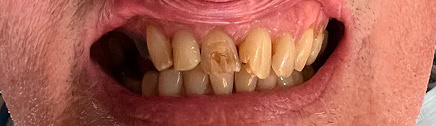
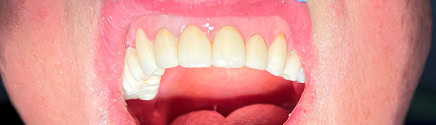
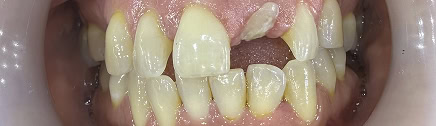
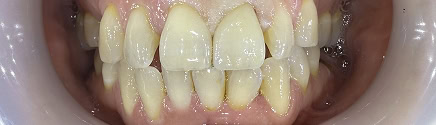
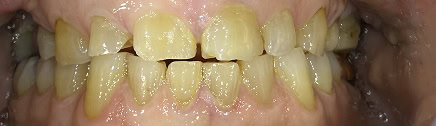
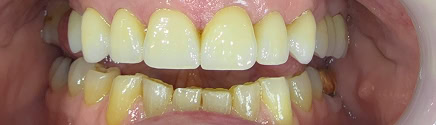
These images show examples of dental treatments completed at our clinic, demonstrating the range of care we provide for our patients.

Disclaimer: Individual results may vary. Images shown are of actual patients with consent.

Before

Before
After

After

Dental Crowns

Image taken around 3 weeks post-procedure

Before

Before
After

After

Dental Implant

Image taken 4 months post-procedure

Before

Before
After

After

Dental Veneers

Image taken around 3 weeks post-procedure

WHAT MAKES US DIFFERENT

Why Choose On Point Dental for General Dentistry

When it comes to maintaining your oral health, choosing the right dental clinic matters. Here are some reasons why patients trust On Point Dental for their general dental care.

Comprehensive In-House Services

Our Fremantle clinic provides general dental care in one location, including examinations, cleans, fillings and extractions. This coordinated approach supports continuity between appointments and reduces the need for external referrals. With your records held in a single clinic, treatment planning becomes more streamlined, and your ongoing oral health can be managed in a practical and organised way.

HBF and NIB Preferred Provider

As a preferred provider for HBF and NIB, and accepting other major health funds, we support patients in understanding their entitlements and claiming processes. Our team explains health fund covers clearly and helps you use your benefits appropriately. This transparent approach helps make dental care more accessible for individuals and families while keeping administrative steps straightforward during your visit.

Same-Day and FIFO-Friendly Appointments

We offer same-day appointments for urgent concerns and flexible scheduling options to support FIFO workers and families with varied routines. Located a short walk from Fremantle train station with nearby parking, our clinic is easy to reach for regular check-ups or unexpected dental needs. This helps make attending appointments more manageable, regardless of your work or lifestyle commitments.

New Patient Special Offer

$299

Dental Package Available for New Patients: Complete Preventive Care Services in One Appointment

Scale, Clean, Fluoride Treatment, and X-rays Package

*New patients only. Cannot be combined with insurance claims.
See full terms and conditions.

INSURANCE & PAYMENT OPTIONS

Quality Dental Care That Fits Your Budget

We work with major health funds and offer flexible payment options to help make dental care more accessible and manageable for our patients.

HBF Member Plus Preferred Provider

NIB First Choice Preferred Provider

All Major Health Funds Accepted

Flexible Payment Plans Available

Fund My Dental

Fund My Dental offers flexible payment plans that let you spread the cost of your dental treatment over time, making care more manageable.

Zip Pay

Zip Pay

Zip Pay allows you to receive dental treatment now and pay in flexible instalments. Interest-free plans are available for eligible patients.

YOUR FIRST VISIT

What to Expect When You Visit On Point Dental

Our first appointment process is designed to be clear and thorough, allowing us to assess your oral health and discuss your treatment options in a relaxed, supportive environment.

Schedule Your Visit

Contact our friendly reception team by phone or through our online booking system to arrange your first appointment. We’ll find a time that suits your schedule and answer any initial questions you might have about your visit.

We Check: Teeth, gums, jaw joints, oral cancer screening, bite alignment, existing dental work

Fill Out Your Patient Forms

During your appointment, you’ll complete a health history form that helps us understand your medical background, current medications, and any dental concerns. This information allows us to provide care that’s appropriate for your individual circumstances.

What to Bring: Health fund card, Medicare card (if applicable), list of current medications

Detailed Oral Assessment

During your first visit, your dentist will conduct a thorough examination of your teeth, gums, and oral structures. This may include digital X-rays if needed to assess areas not visible during the visual examination, giving us a complete picture of your oral health.

We Check: Teeth, gums, jaw joints, oral cancer screening, bite alignment, existing dental work

Treatment Plan Discussion

Your dentist will discuss their findings with you and explain any areas of concern. If treatment is needed, we’ll talk through your options, answer your questions, and provide clear information about what each approach involves so you can make educated decisions about your dental care.

Transparent Pricing: All costs explained upfront, payment plans available, health fund rebates calculated.

Begin Your Dental Care

Once we’ve agreed on a treatment approach, we can often start addressing your dental needs at the same appointment for straightforward procedures. For more complex treatments, we’ll schedule follow-up appointments and provide you with the information you need to prepare.

Ongoing Care: Regular check-ups every 6 months, reminders sent, family appointments coordinated

THE TEAM

Our Friendly Team - Meet The Faces Behind Your Smile

Our dental team brings diverse training and experience to provide quality care, and they’re supported by our skilled dental assistants and administrative team, who help make your visit run smoothly.

Dr Jeetash Kumar

Principal Dentist

General Dentist, AHPRA Reg. No. DEN0002285548

Dr Kumar is the principal dentist, focusing on comprehensive dental care, including implant dentistry, cosmetic procedures, and endodontic treatment for patients throughout Fremantle.

Credentials
Dr Pahul Gill

General Dentist

General Dentist, AHPRA Reg. No. DEN0002803537

Dr Gill provides high-quality dental care, focusing on listening to and understanding patients’ needs while offering personalised treatment options that make them comfortable.

Credentials
Dr Edmund Ngan

General Dentist

General Dentist, AHPRA Reg. No. DEN0002602730

Dr Ngan is experienced in general family dentistry and provides a thoughtful, patient-centred approach so that each patient receives tailored dental care.

Credentials
Dr Preeti Ahlawat

Dentist

General Dentist, AHPRA Reg. No. DEN0001851108

Dr Ahlawat is a certified Invisalign provider with experience across multiple countries, offering cosmetic dentistry, orthodontic treatment, and supportive care for patients who feel anxious about dental visits.

Credentials

FAQ

Frequently Asked Questions

Common questions about root canal treatment in Fremantle are answered below, covering the procedure, recovery, alternatives, and what you can expect during treatment.

What is root canal treatment?

Root canal treatment is a dental procedure that addresses infection or damage inside a tooth. Each tooth contains soft tissue called pulp, which includes nerves, blood vessels, and connective tissue. When this pulp becomes infected or inflamed due to decay, injury, or repeated dental procedures, root canal therapy is necessary to preserve the tooth.


The treatment involves removing the infected or damaged pulp from the tooth’s interior. Your dentist then thoroughly cleans and disinfects the root canals to help reduce bacteria. Finally, the canals are sealed to help prevent further infection.


Root canal treatment aims to maintain the tooth rather than extracting it, though success rates vary depending on individual circumstances. Many patients can maintain their natural tooth structure and function, though individual outcomes vary. The procedure is typically performed under local anaesthesia to help minimise discomfort during treatment.

A root canal procedure typically involves several carefully planned steps. Understanding each stage can help you feel more prepared for your appointment.


  1. Initial Examination and X-Rays
    Your dentist examines the tooth and takes X-rays to assess the extent of the infection or damage. This imaging helps your dentist see the shape of the root canals and plan the treatment approach.
  2. Administering Local Anaesthesia
    Local anaesthesia is administered to numb the area around the tooth for your comfort. This helps manage sensation during the procedure so you remain as comfortable as possible.
  3. Placing the Dental Dam
    During treatment, a dental dam is used to isolate the tooth and keep it dry. This rubber sheet also protects the rest of your mouth from the instruments and cleaning solutions.
  4. Accessing the Pulp Chamber
    Your dentist creates a small opening in the tooth to access the pulp chamber where the infection is located. This opening allows access to the infected tissue that needs to be removed.
  5. Removing the Infected Pulp
    The infected or damaged pulp is carefully extracted from the pulp chamber and root canals using purpose-made instruments. This step eliminates the source of infection and pain.
  6. Cleaning and Shaping the Canals
    The canals are cleaned, disinfected, and shaped to prepare them for sealing. Your dentist uses antimicrobial solutions to help remove bacteria from the canal system as thoroughly as possible.
  7. Filling and Sealing the Canals
    The canals are filled with a biocompatible material called gutta-percha and sealed to help prevent bacteria from re-entering. This seals the canal system and protects the tooth from future infection.

After the root canal procedure is complete, your dentist may place a temporary or final filling. In many cases, a crown will be recommended to restore the tooth’s strength and protect it from further damage.

The duration of root canal treatment depends on several factors related to your specific situation. Which tooth is being cared for plays a significant role in timing. The complexity of the root canal system also affects how long the procedure takes.


A single-visit root canal procedure typically takes between 60 and 90 minutes to complete. Front teeth, which usually have one or two canals, tend to be quicker to work on. Molars with three or four canals may take longer due to their more complex structure.


Some situations may require splitting the treatment across two appointments. If the infection is severe, your dentist may need additional time for thorough cleaning. During your first visit, the infected pulp is removed, the canals are cleaned, and a temporary filling is placed to protect the tooth until your next appointment.

Several signs may indicate the need for root canal treatment. Recognising these symptoms early may allow you to seek assessments before the condition potentially worsens.


Common symptoms that may indicate you need root canal treatment include the following:


  • Persistent Tooth Pain
    Persistent tooth pain that doesn’t go away is one of the most common signs that you may need root canal treatment. The pain is especially noticeable when you bite down or apply pressure to the tooth.
  • Prolonged Sensitivity to Temperature
    Prolonged sensitivity to hot or cold temperatures is another warning sign that shouldn’t be ignored. If the sensation lingers for several minutes after you’ve removed the hot or cold stimulus, it may indicate pulp damage.
  • Swelling or Tenderness in the Gums
    Swelling or tenderness in the gums near the affected tooth may indicate infection spreading beyond the tooth itself. The area around the tooth may feel sore to the touch or appear slightly raised.
  • Tooth Discolouration
    Discolouration of the tooth occurs when it becomes noticeably darker compared to surrounding teeth. This darkening happens due to internal damage or the breakdown of blood vessels inside the tooth.
  • Small Bump on the Gum
    A small bump on the gum near the tooth could indicate an abscess forming at the root tip. This bump may be tender to the touch and can sometimes drain fluid.

If you experience any of these symptoms, it’s important to see your dentist for an examination. Your dentist will conduct a thorough assessment and take X-rays to determine whether root canal treatment is appropriate for your situation.

Avoiding root canal treatment when it’s recommended may lead to complications. The infection inside the tooth usually doesn’t resolve on its own and generally continues to worsen over time. Your dentist can discuss the risks and benefits of different options with you.


The infection within the tooth can spread to the surrounding bone and gums if left neglected. This spread can lead to the formation of an abscess —a painful pocket of pus at the root tip. As the infection progresses, you may experience increased pain, swelling, and difficulty eating or speaking.


Delaying treatment often leads to tooth loss when the damage becomes too severe to address. In severe cases, the infection may also spread to neighbouring teeth or enter the bloodstream. Root canal surgery is designed to address the infection and may help retain the tooth before these complications develop. Individual outcomes vary.

The primary alternative to root canal treatment is tooth extraction, which involves removing the tooth entirely from its socket. Extraction may be considered if the tooth is structurally too damaged, the infection has progressed significantly, or cost is a major concern.


Losing a tooth can create challenges that may affect your long-term oral health. Neighbouring teeth may shift space over time, affecting your bite. Bone loss may occur in the jaw where the tooth was extracted over time, and your ability to chew certain foods may be affected.


If you choose extraction, you’ll likely need to consider tooth replacement options such as dental implants, bridges, or partial dentures. Each option has its benefits, considerations, and costs that your dentist can explain. Your dentist can help you weigh the benefits and drawbacks of each option based on your specific situation.

Recovery from root canal treatment is usually straightforward for most patients, though individual experiences vary. Most people can return to their normal activities within one to two days after the procedure. Any discomfort typically subsides within a few days to a week.


You may experience some tenderness or mild discomfort in the tooth for a few days after the procedure, which is normal. This can usually be managed with over-the-counter pain relief as directed by your dentist. The initial healing period generally lasts between three and five days.


During the first few days of recovery, you can take simple steps to support healing:

  • Avoid hard or chewy foods on the side of your mouth where the procedure was performed to minimise discomfort.
  • Continue brushing and flossing your teeth as usual, being careful around the area.
  • Take any prescribed or recommended pain relief as directed by your dentist.


Your dentist will provide specific aftercare instructions tailored to your situation. If you need a crown placed after your root canal treatment, this will typically be scheduled two to three weeks later, allowing time for the tooth to heal fully.

In many cases, a crown is recommended after root canal treatment. Whether you need a crown depends on which tooth received the procedure and how much natural tooth structure remains. Your dentist will assess your specific situation to determine the most appropriate restoration approach.


Teeth that have undergone root canal treatment may become more brittle over time because the primary blood supply to the tooth has been removed along with the pulp. A crown provides protection and reinforcement, helping reduce the risk of the tooth cracking or breaking when you chew. Individual outcomes vary. Crowns are especially important for molars and premolars, which bear significant chewing forces.


Front teeth, which experience less biting pressure, may not always require a crown immediately after root canal treatment. Your dentist will assess the condition of your tooth and the amount of remaining natural structure. This stage determines whether a filling alone is sufficient or whether a crown would provide more suitable long-term protection.

Delaying root canal treatment when it’s needed can lead to worsening infection and increased complications. The longer you postpone treatment, the more the bacteria inside the tooth multiply and cause more damage.


The bacteria can spread beyond the tooth into surrounding tissues, potentially forming an abscess at the root tip. As the infection progresses, you may experience more severe pain that becomes difficult to manage. The infection may spread to neighbouring teeth, and bone loss can occur around the tooth’s root.


In some cases, the tooth may become so damaged that it cannot be restored, leaving extraction as the only option. Addressing the problem promptly when your dentist recommends root canal treatment may help retain the tooth and reduce the risk of complications.

Many health funds provide some level of cover for major dental procedures. Root canal treatment in Fremantle typically falls under the major dental category in most policies.

The amount of cover you receive depends on your policy and the level you have chosen. Some policies cover a percentage of the treatment cost, whilst others have annual limits on dental work that may affect how much you can claim.

It’s a good idea to contact your health fund before proceeding with root canal treatment to confirm what your policy includes. Your dental clinic can provide an itemised quote with the relevant item numbers to help you check your cover. If your health fund cover doesn’t cover the full cost, many dental clinics offer payment plans to help make treatment more manageable.

Preparing for root canal treatment involves a few simple steps that can help your appointment go smoothly. Inform your dentist of your complete medical history, including any medications you’re currently taking and any allergies you have.


Here are some practical steps to take before your appointment:

  1. Eat a light meal before your appointment, as your mouth will be numb for a few hours afterwards.
  2. Take any prescribed antibiotics or pain relief as directed by your dentist if they’ve been provided beforehand.
  3. Write down any questions you have about the procedure so you remember to ask them.
  4. Wear comfortable clothing to your appointment to help you feel more relaxed.

If you have any questions or concerns about what will happen during the procedure, don’t hesitate to ask your dentist beforehand. Understanding each step of the root canal process can help you feel better prepared and more comfortable.

During root canal surgery, the nerves inside the tooth’s pulp chamber and root canals are detached as part of the cleaning process. The sensory nerves that transmit pain signals from inside the tooth are removed along with the infected or damaged pulp tissue.


However, the tooth remains connected to the surrounding tissues after root canal treatment. The periodontal ligament, which attaches the tooth to the bone, contains nerve fibres that remain intact. This is why you can still feel pressure when you bite down on the tooth, even though the internal nerve has been detached.


This aims to relieve the toothache or sensitivity you were experiencing before treatment, though individual experiences and outcomes vary. Your tooth remains a functional part of your mouth, and you can chew with it and care for it just like your other teeth.