
RESTORATIVE DENTISTRY
Dentures in Fremantle for Tooth Replacement
On Point Dental provides dentures in Fremantle to address missing teeth and support everyday oral function for patients seeking tooth replacement options.

What we do?
Learn How Dentures May Support Function for Everyday Use
Missing teeth can affect daily activities like eating, speaking, and smiling. Dentures are a tooth replacement option that can help address gaps in your smile.
At On Point Dental in Fremantle, our team takes time to explain your options and discuss how dentures may support your oral health goals. Whether you’re considering partial or complete dentures, we aim to provide information and care that helps you feel informed. Dentures are designed to support chewing, speech clarity, and facial appearance when teeth are missing, though results vary by individual.
From your consultation through to fitting and aftercare, our team answers questions and provides guidance. If you’re exploring false teeth in Fremantle, we can discuss whether dentures or other options might suit your situation. We consider your oral health, lifestyle, and preferences when discussing options.

RIGHT CANDIDATE
Are Dentures the Right Option for You?
Dentures may be suitable if you’re missing several teeth or all teeth in one or both arches. During your consultation, we’ll assess your oral health and discuss whether false teeth in Fremantle might be appropriate for your circumstances.
Some patients may need preparatory treatments before dentures can be fitted. We’ll provide clear information about what to expect. Your dentist will discuss which tooth replacement options suit your needs.
Benefits
Potential Benefits of Dentures
For some patients, dentures may help improve their ability to chew a wider range of foods, which could support nutrition. They may assist with speech clarity by filling gaps where teeth are missing. Dentures may also contribute to maintaining facial shape for certain individuals.
Removable dentures are convenient for cleaning and can be adjusted if your needs change. They are designed to look natural and feel comfortable. We’ll discuss how dentures work and proper aftercare during your visit.

PROVEN RESULTS & EXPERT CARE
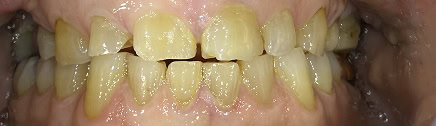
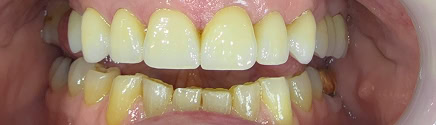
Examples of Our Dental Work
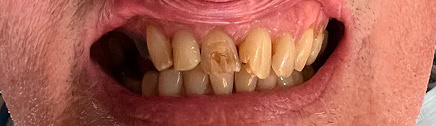
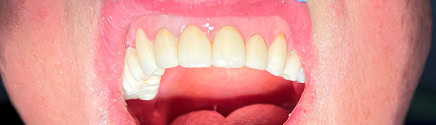
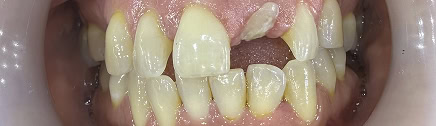
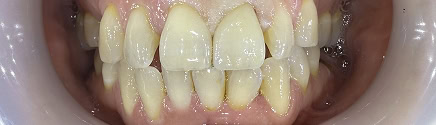
These images show examples of dental treatments completed at our clinic, demonstrating the range of care we provide for our patients.
Disclaimer: Individual results may vary. Images shown are of actual patients with consent.
WHAT MAKES US DIFFERENT
Why Choose On Point Dental for Restorative Dentistry
Restoring damaged or missing teeth requires skill, quality materials, and careful planning. Here are some reasons why patients trust On Point Dental for restorative treatments.
Advanced Restorative Techniques
Our clinic utilises current restorative dentistry techniques and quality materials for procedures including dental crowns, bridges, implants, and dentures. We invest in technology that supports accurate diagnosis and treatment planning, helping to achieve functional and aesthetic outcomes. Our dentists maintain their skills through continuing professional development in restorative procedures and material science.
Dental Implants Completed In-House
Rather than referring implant cases elsewhere, we provide dental implant treatments at our Fremantle clinic from initial consultation through to final restoration. This in-house approach means consistent care from familiar practitioners who understand your dental history, streamlined communication throughout the treatment process, and coordinated timing between surgical and restorative phases of your implant procedure.
Flexible Ways to Manage Costs
We believe quality restorative dentistry should be accessible, which is why we work as HBF and NIB preferred providers and accept all major health funds to maximise your benefits. For treatments not fully covered by health funds, we offer payment plans with flexible terms, interest-free options, and quick approval, so you can proceed with the necessary restorative work.
New Patient Special Offer
$299
Dental Package Available for New Patients: Complete Preventive Care Services in One Appointment
*New patients only. Cannot be combined with insurance claims.
See full terms and conditions.
INSURANCE & PAYMENT OPTIONS
Quality Dental Care That Fits Your Budget
We work with major health funds and offer flexible payment options to help make dental care more accessible and manageable for our patients.


HBF Member Plus Preferred Provider
- Eligible HBF Member Plus members can receive reduced gap payments on many dental services.
- We process your health fund claim on the spot, and you’ll pay only the gap amount.
- Our team can check your cover and provide an estimate of your out-of-pocket costs before treatment begins.
- Being a preferred provider means we meet HBF's quality and service standards, giving you added security in your care.
- HBF Member Plus preferred provider status allows eligible members to access reduced payments. Terms and conditions apply.


NIB First Choice Preferred Provider
- NIB First Choice members may receive higher benefits and lower gap payments when they visit our clinic.
- We submit your claim directly to NIB, making the process straightforward and reducing paperwork for you.
- Our reception team can explain your NIB benefits and help you understand what's included in your cover.
- We're committed to transparent pricing, so you'll know your expected costs before we start any treatment.






Flexible Payment Plans Available
Fund My Dental


YOUR FIRST VISIT
What to Expect When You Visit On Point Dental
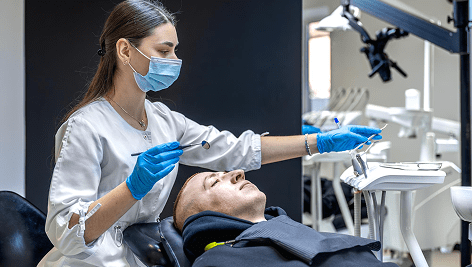
Our first appointment process is designed to be clear and thorough, allowing us to assess your oral health and discuss your treatment options in a relaxed, supportive environment.
Schedule Your Visit
Contact our friendly reception team by phone or through our online booking system to arrange your first appointment. We’ll find a time that suits your schedule and answer any initial questions you might have about your visit.
We Check: Teeth, gums, jaw joints, oral cancer screening, bite alignment, existing dental work
Fill Out Your Patient Forms
During your appointment, you’ll complete a health history form that helps us understand your medical background, current medications, and any dental concerns. This information allows us to provide care that’s appropriate for your individual circumstances.
What to Bring: Health fund card, Medicare card (if applicable), list of current medications
Detailed Oral Assessment
During your first visit, your dentist will conduct a thorough examination of your teeth, gums, and oral structures. This may include digital X-rays if needed to assess areas not visible during the visual examination, giving us a complete picture of your oral health.
We Check: Teeth, gums, jaw joints, oral cancer screening, bite alignment, existing dental work
Treatment Plan Discussion
Your dentist will discuss their findings with you and explain any areas of concern. If treatment is needed, we’ll talk through your options, answer your questions, and provide clear information about what each approach involves so you can make educated decisions about your dental care.
Transparent Pricing: All costs explained upfront, payment plans available, health fund rebates calculated.
Begin Your Dental Care
Once we’ve agreed on a treatment approach, we can often start addressing your dental needs at the same appointment for straightforward procedures. For more complex treatments, we’ll schedule follow-up appointments and provide you with the information you need to prepare.
Ongoing Care: Regular check-ups every 6 months, reminders sent, family appointments coordinated
THE TEAM
Our Friendly Team - Meet The Faces Behind Your Smile
Our dental team brings diverse training and experience to provide quality care, and they’re supported by our skilled dental assistants and administrative team, who help make your visit run smoothly.
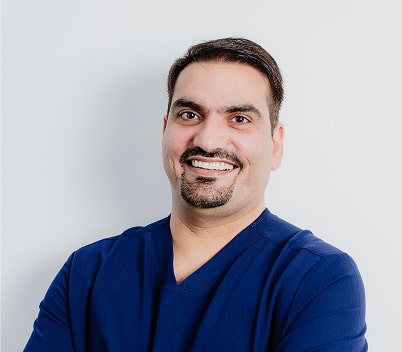
Credentials



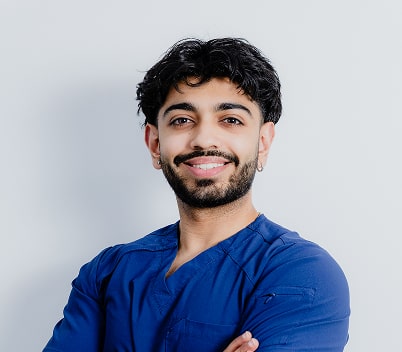
Credentials


Credentials


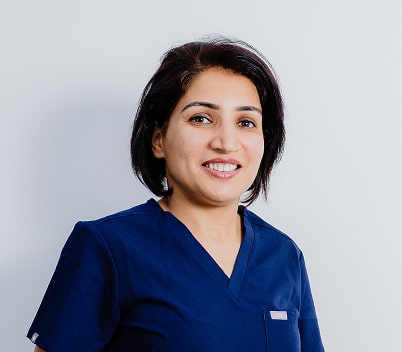
Dr Ahlawat is a certified Invisalign provider with experience across multiple countries, offering cosmetic dentistry, orthodontic treatment, and supportive care for patients who feel anxious about dental visits.
Credentials



FAQ
Frequently Asked Questions
How long does it take to get used to dentures?
Adjustment periods are highly individual. The following represents general observations from clinical practice, but your experience may differ:
- First few days: Your dentures may feel bulky or strange, and you might produce more saliva than usual as your mouth adapts to the new appliance.
- First week: Initial sensations typically begin to subside, though you may still be adjusting to eating and speaking with dentures.
- Weeks 2-4: Most people become noticeably more comfortable as their mouths continue to adjust to the dentures.
- 1-2 months: Many people feel fully comfortable by this point, though some may take a bit longer depending on individual circumstances.
Individual experiences vary significantly based on factors such as jaw structure, prior denture experience, and personal adaptation.
Regular wear helps speed up the adjustment process, so try to wear your dentures consistently rather than only occasionally. If you’re still experiencing significant discomfort after a few weeks, contact your dentist, as adjustments might be needed to improve the fit.
Will dentures look natural?
Contemporary dentures are designed to look quite natural when properly made and fitted. Here’s what contributes to a natural appearance:
- The teeth are crafted to resemble real teeth in shape, size, and colour.
- The teeth can be customised to match your remaining natural teeth if you’re getting partial dentures.
- The base material that mimics your gum tissue is colour-matched to blend with your natural gums.
- During the denture creation process, you’ll have opportunities to provide input on the appearance, including the shade and shape of the teeth.
While dentures won’t look exactly like your original natural teeth, well-made dentures can blend naturally with your facial features in everyday situations. Factors like proper fit and how you care for your dentures also affect their appearance over time. Outcomes differ for each patient.
Can I sleep with my dentures in?
Most dentists recommend removing your dentures at night for several important reasons:
- Doing so gives your gums and supporting tissues a break from the constant pressure of wearing them.
- The break allows your gums to recover and reduces the risk of inflammation and irritation.
- Removing dentures at night reduces the risk of fungal infections that can develop in the warm, moist environment under dentures.
- Sleeping without dentures allows saliva to circulate naturally around your gums, which helps maintain oral health.
However, some people are advised to wear their dentures continuously for the first few nights after receiving new dentures to help their mouth adjust. After this initial period, remove them before bed. When you do, place them in water or a denture-soaking solution to prevent them from drying out and losing their shape.
How do I clean my dentures?
Cleaning your dentures daily is important for maintaining both the dentures and your oral health. Follow these steps for proper denture care:
- Remove your dentures and rinse them under running water to wash away loose food particles and debris.
- Apply a denture cleanser (not regular toothpaste) to a soft-bristle denture brush.
- Gently brush all surfaces of the dentures, including the part that contacts your gums, paying attention to any crevices where food can accumulate.
- Rinse your dentures thoroughly under running water to remove all traces of the cleaning product before putting them back in your mouth.
- When you remove your dentures overnight, place them in water or a denture-soaking solution to keep them moist.
Important things to avoid:
- Regular toothpaste should not be used on dentures, as it can be too abrasive and create scratches that harbour bacteria and stains.
- Harsh cleansers, bleach, and hot water should be avoided, as these products and extreme temperatures can warp, discolour, or damage the denture material.
Flexible dentures should not be bent or twisted during cleaning, as excessive force can affect their shape and compromise their fit in your mouth.
Will dentures affect my speech?
You may notice some changes to your speech when you first start wearing dentures, particularly if you’re replacing front teeth. Here’s what commonly happens and how to manage it:
Common speech changes:
- Certain sounds might be harder to pronounce initially, especially sounds that require your tongue to touch your teeth like “s,” “f,” and “th.”
- You might hear a clicking noise as you talk, which happens when your dentures move slightly during speech.
- Your tongue and mouth muscles need time to learn how to work around the dentures to form sounds clearly.
How to improve your speech faster:
- Practice speaking out loud regularly throughout the day to help your mouth muscles adapt to forming words with your dentures.
- Try reading aloud to yourself from a book or newspaper to build muscle memory.
- Repeat difficult words or phrases multiple times to help your tongue and mouth adapt to your dentures.
- Wear your dentures consistently throughout the day rather than taking them in and out occasionally, as consistent wear speeds up the adjustment process.
Many people find their speech returns to normal within a few weeks of consistent denture wear, though the adjustment period varies between individuals. If speech problems persist beyond the initial adjustment period or worsen over time, contact your dentist, as the fit of your dentures may need adjustment.
How long do dentures last?
The lifespan of dentures varies depending on several factors:
Factors affecting denture lifespan:
- The way you care for your dentures through daily cleaning and proper storage plays a significant role in how long they remain functional and presentable.
- Changes in your mouth over time, due to natural bone resorption and gum tissue changes, can affect how well your dentures fit.
- The quality of the dentures and the materials used in their construction determines how well they withstand daily wear and maintain their appearance.
- The amount of wear your dentures experience from daily chewing, speaking, and general use affects how quickly the teeth and base material deteriorate.
Timeline:
- Average lifespan: Most dentures last between five and ten years before they need to be replaced with a new set.
- During this time: Your dentures may need relining or adjustments multiple times as your mouth and jaw naturally change shape, particularly during the first year.
- Signs of wear: Over time, the artificial teeth on your dentures can wear down from chewing forces, and the acrylic base may become worn, cracked, or stained despite regular cleaning.
Regular dental check-ups help monitor the condition of your dentures and changes in your mouth, allowing your dentist to recommend relining or replacement when appropriate.
Can I eat normally with dentures?
Many people can eat a wide variety of foods with dentures, though there’s typically an adjustment period where you’ll need to learn how to chew effectively with them.
When you first get dentures:
- Starting with soft foods cut into small pieces helps you get accustomed to chewing with dentures without putting too much pressure on your gums.
- Chewing slowly and using both sides of your mouth at the same time helps keep your dentures stable and balanced while you eat.
- Gradually introducing firmer foods as you become more comfortable allows you to expand your diet at a pace that works for your adjustment.
Foods that may remain challenging:
- Very sticky foods, such as caramel or chewing gum, can pull on your dentures, potentially dislodging them or causing discomfort.
- Extremely hard foods such as hard nuts, raw carrots, or crusty bread may be difficult to bite through and could put excessive pressure on your dentures and gums.
- Foods that require biting with your front teeth, such as corn on the cob or whole apples, can be challenging because front denture teeth don’t provide the same biting force as natural teeth.
Managing difficult foods:
- Cutting foods into smaller, more manageable pieces before eating them makes it easier to chew without putting stress on your dentures.
- Modifying how you eat certain foods, such as cutting corn off the cob before eating or slicing apples into wedges, makes them easier to enjoy.
- Using your back teeth for biting and chewing, rather than your front teeth, when possible, provides greater stability and chewing power.
While dentures don’t provide quite the same biting and chewing force as natural teeth, many people can eat and enjoy a varied diet once they’ve adjusted to wearing them, though each person’s experience is unique.
What if my dentures feel loose?
Dentures can feel loose for several reasons, and addressing this issue is important for your comfort and oral health.
Common reasons dentures become loose:
- Natural changes in your bone and gum tissue shape over time can cause dentures that once fit well to become loose, and this is particularly common during the first year after tooth loss, when bone resorption occurs most rapidly.
- Gradual wearing down of the denture base material from daily use can reduce how snugly the dentures fit against your gums and the roof of your mouth.
- Significant weight loss or gain can affect your facial structure and jaw shape, which in turn can change how your dentures fit in your mouth.
- The age of your dentures affects their fit; older dentures, especially those worn for many years, are more likely to fit poorly due to cumulative wear and changes in your mouth.
What to do about loose dentures:
- Schedule an appointment with your dentist to assess why your dentures have become loose and determine the appropriate course of action.
- Your dentist can evaluate whether relining would improve fit by adding new material to the base of your dentures to enhance contact with your gums.
- If your dentures are old or significantly worn beyond what relining can address, your dentist may recommend new dentures to create a proper fit.
- Denture adhesive can provide temporary improvement in stability while you wait for your appointment, but it shouldn’t be relied upon for ill-fitting dentures.
A loose denture can move while you’re eating or speaking, which can be uncomfortable and make these activities more difficult. Professional assessment and adjustment should be sought rather than simply continuing to use ill-fitting dentures or relying solely on adhesive products.
Are there alternatives to traditional dentures?
There are several alternatives to traditional removable dentures, each with different characteristics, costs, and requirements.
Main alternatives:
Option | Description | Key Features |
Titanium posts surgically placed into the jawbone that support crowns, bridges, or dentures | Stability differs from conventional dentures; it can be removable or non-removable; it requires surgery | |
Implant-Supported Dentures | Dentures secured by dental implants | Different stability characteristics: can snap on/off (removable) or be attached; more costly than traditional dentures |
Replacements for one or several adjacent teeth | Bonded in place; requires healthy teeth on either side of the gap; cannot be removed at home |
Factors that influence which option suits you:
- The number of teeth you need to replace affects which treatment options are practical, as replacing a single tooth requires different procedures than replacing all teeth in an arch.
- The health of your remaining teeth and gums affects suitability for certain options, particularly for treatments like bridges that rely on adjacent teeth for support.
- Your jawbone condition and density are important to assess, especially if you’re considering dental implants, which require sufficient bone volume to securely anchor the implant posts.
- Your overall health and ability to undergo surgery, if required, influence which options are appropriate, as some alternatives, such as dental implants, involve surgical procedures that may not suit everyone.
- Your budget and available health fund cover are practical considerations, as different tooth replacement options vary significantly in cost and may have different levels of health fund cover.
During your consultation, your dentist can discuss these alternatives and help you understand which options might work for your situation.
Do dentures hurt?
When dentures fit properly, they should not usually cause ongoing pain, though comfort varies between individuals. However, understanding what’s normal versus what requires attention is important.
Normal initial adjustment:
- Some discomfort during the first week or two is common as your mouth adapts.
- New dentures may create temporary sore spots where they rub against your gums.
- These sore areas usually go away as your mouth adjusts and your dentist makes refinements.
When to contact your dentist:
- If you develop persistent sore spots that don’t improve within a few days.
- If you experience ongoing pain rather than mild discomfort.
- If previously comfortable dentures start causing pain (this may indicate they’ve become loose or need adjustment).
With proper fit and regular adjustments as needed, many people wear dentures throughout the day without significant pain, though experiences vary. Don’t try to push through ongoing discomfort—contact your dentist for adjustments rather than accepting pain as normal.
How often should I visit the dentist with dentures?
Even with complete dentures and no natural teeth remaining, regular dental check-ups are recommended to maintain your oral health and assess the condition of your dentures.
Recommended check-up schedule:
- Most dentists recommend scheduling check-up appointments every six to twelve months to monitor your dentures and oral tissues.
- Your dentist might suggest a different appointment schedule based on your individual needs, such as the condition of your dentures or any specific oral health concerns.
- More frequent visits may be needed in the first year after getting dentures, as your mouth undergoes the most significant changes and adjustments are more common.
Why regular visits matter:
- Early detection of problems allows your dentist to address issues before they become more serious, potentially saving you discomfort and expense.
- Timely adjustments or relining when your denture fit changes help maintain comfort and function as your mouth naturally evolves.
- Monitoring your oral health even without natural teeth remains important, as gum disease and other oral conditions can still develop.
- Professional assessment and maintenance of your dentures help extend their lifespan and keep them serving you well.
What happens during a denture fitting appointment?
A denture fitting appointment is the final stage where you receive your completed dentures. Here’s what typically happens during this important visit:
During the appointment:
- Your dentist places the dentures in your mouth and checks their fit on your gums for proper contact and stability.
- They verify that your bite is even and comfortable when you close your mouth, making sure your upper and lower teeth meet properly.
- They watch how the dentures perform when you speak, smile, and move your mouth to assess whether they stay in place during normal activities.
- They check that the dentures are stable and don’t move excessively during normal movements, which is important for your comfort.
- Minor adjustments can often be made during the appointment if any pressure points or fit issues are identified.
What you’ll learn:
- Your dentist will show you how to insert and remove your dentures, which might take some practice if you’ve never worn dentures before.
- You’ll receive detailed care instructions, including how to clean your dentures with appropriate products and techniques properly.
- Your dentist will explain how to care for your gums and other oral tissues, including daily brushing of your gums and tongue.
- You’ll learn what’s normal to experience as you adjust to your new dentures, such as initial discomfort or increased saliva production.
- Your dentist will explain what signs might indicate you need to come in for an adjustment, such as persistent sore spots or difficulty eating.
Your dentist will schedule follow-up appointments to check your progress during the adjustment period and make any necessary refinements. You’ll usually have several check-ups during the first few weeks to assess fit and comfort as your mouth adapts to wearing dentures.
