
ORTHODONTICS
Explore Clear Aligners and Invisalign
in Fremantle
Straighten your teeth with discreet, removable orthodontic treatment. Discover how clear aligners and Invisalign in Fremantle can guide teeth into better alignment with personalised care.

What we do?
Removable Orthodontic Devices that Help Gradually Move Teeth Into Improved Positions Over Time
Clear aligners are custom-made, removable orthodontic devices designed to gradually shift teeth into improved positions. They use controlled force to support planned tooth movement throughout treatment.
Each aligner is created to fit snugly over your teeth and is worn for a set period before progressing to the next stage. Because aligners are removable, you can take them out for eating, drinking, and oral hygiene. A dentist monitors your progress through regular appointments to assess whether tooth movement follows the planned sequence.
Clear aligner treatment begins with a detailed assessment of your teeth and bite to determine suitability. Digital scans or impressions are used to create a personalised plan that maps the gradual adjustments required. While treatment times vary, wearing aligners as instructed helps support steady progress towards improved alignment.

RIGHT CANDIDATE
Are Clear Aligners and Invisalign Right for You?
Clear aligners and Invisalign may be suitable if you prefer a discreet orthodontic option and have mild to moderate concerns such as crowding, spacing or minor bite irregularities. A dental assessment is essential to confirm whether this treatment can meet your goals.
They may also be appropriate if you want a removable appliance that fits into your daily routine. Your dentist will review your oral health, lifestyle and expected commitment to aligner wear before recommending the most appropriate option for your situation.
Benefits
What Clear Aligners and Invisalign May Provide Patients
Clear aligner treatment may help gradually improve tooth alignment through a series of custom-made orthodontic trays. Patients may find this treatment style appealing because the devices are removable, making brushing and flossing easier during orthodontic care.
Clear aligners may also support discreet orthodontic adjustment, as the trays are designed to be low-visibility when worn. Suitability depends on individual dental needs, and your dentist will assess whether this type of treatment is appropriate for your situation.

PROVEN RESULTS & EXPERT CARE
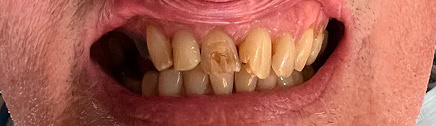
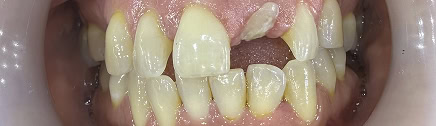
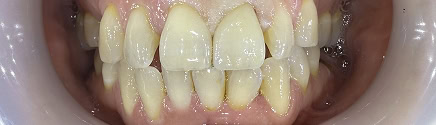
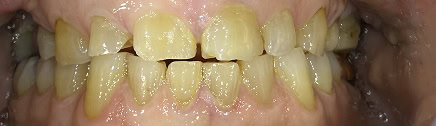
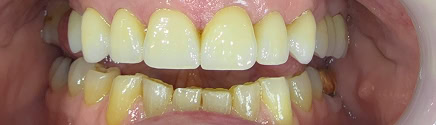
Examples of Our Dental Work
These images show examples of dental treatments completed at our clinic, demonstrating the range of care we provide for our patients.
Disclaimer: Individual results may vary. Images shown are of actual patients with consent.

WHAT MAKES US DIFFERENT
Why Choose On Point Dental for Clear Aligners and Invisalign Treatment
Clear aligners offer a discreet option for teeth straightening, but choosing an experienced provider matters. Here are some reasons patients choose On Point Dental.
Convenient In-House Treatment
Performed by: Dr Preeti Ahlawat - General Dentist, DEN0001851108
We provide clear aligner treatment, such as Invisalign, with digital scanning for precise planning. Having your aligner therapy delivered in the same clinic where your general dental care is managed supports continuity and convenience. Suitability, movement rates and treatment timelines vary between individuals, and we outline these factors clearly so you understand how clear aligner treatment may address your orthodontic needs.
Flexible Appointment Scheduling
Clear aligner treatment requires regular monitoring, and we offer scheduling options including Sundays, same-day availability and FIFO-friendly times. Our Fremantle location, near public transport and parking, helps minimise travel challenges. This flexibility supports consistent reviews during your aligner progress, making it easier to stay on track with the recommended appointment intervals throughout your treatment.
Integrated Dental Care
Because general dental care is available at the same clinic, any fillings, cleans or assessments needed during aligner treatment can be completed without referral elsewhere. This integration supports a coordinated approach to oral health and allows both routine and orthodontic needs to be managed together, keeping your dental records and assessments aligned throughout your treatment journey.
New Patient Special Offer
$299
Dental Package Available for New Patients: Complete Preventive Care Services in One Appointment
*New patients only. Cannot be combined with insurance claims.
See full terms and conditions.
INSURANCE & PAYMENT OPTIONS
Quality Dental Care That Fits Your Budget
We work with major health funds and offer flexible payment options to help make dental care more accessible and manageable for our patients.


HBF Member Plus Preferred Provider
- Eligible HBF Member Plus members can receive reduced gap payments on many dental services.
- We process your health fund claim on the spot, and you’ll pay only the gap amount.
- Our team can check your cover and provide an estimate of your out-of-pocket costs before treatment begins.
- Being a preferred provider means we meet HBF's quality and service standards, giving you added security in your care.
- HBF Member Plus preferred provider status allows eligible members to access reduced payments. Terms and conditions apply.


NIB First Choice Preferred Provider
- NIB First Choice members may receive higher benefits and lower gap payments when they visit our clinic.
- We submit your claim directly to NIB, making the process straightforward and reducing paperwork for you.
- Our reception team can explain your NIB benefits and help you understand what's included in your cover.
- We're committed to transparent pricing, so you'll know your expected costs before we start any treatment.






Flexible Payment Plans Available
Fund My Dental


YOUR FIRST VISIT
What to Expect When You Visit On Point Dental
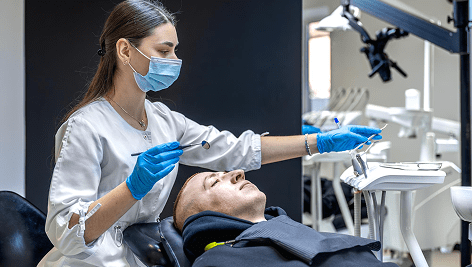
Our first appointment process is designed to be clear and thorough, allowing us to assess your oral health and discuss your treatment options in a relaxed, supportive environment.
Schedule Your Visit
Contact our friendly reception team by phone or through our online booking system to arrange your first appointment. We’ll find a time that suits your schedule and answer any initial questions you might have about your visit.
We Check: Teeth, gums, jaw joints, oral cancer screening, bite alignment, existing dental work
Fill Out Your Patient Forms
During your appointment, you’ll complete a health history form that helps us understand your medical background, current medications, and any dental concerns. This information allows us to provide care that’s appropriate for your individual circumstances.
What to Bring: Health fund card, Medicare card (if applicable), list of current medications
Detailed Oral Assessment
During your first visit, your dentist will conduct a thorough examination of your teeth, gums, and oral structures. This may include digital X-rays if needed to assess areas not visible during the visual examination, giving us a complete picture of your oral health.
We Check: Teeth, gums, jaw joints, oral cancer screening, bite alignment, existing dental work
Treatment Plan Discussion
Your dentist will discuss their findings with you and explain any areas of concern. If treatment is needed, we’ll talk through your options, answer your questions, and provide clear information about what each approach involves so you can make educated decisions about your dental care.
Transparent Pricing: All costs explained upfront, payment plans available, health fund rebates calculated.
Begin Your Dental Care
Once we’ve agreed on a treatment approach, we can often start addressing your dental needs at the same appointment for straightforward procedures. For more complex treatments, we’ll schedule follow-up appointments and provide you with the information you need to prepare.
Ongoing Care: Regular check-ups every 6 months, reminders sent, family appointments coordinated
THE TEAM
Our Friendly Team - Meet The Faces Behind Your Smile
Our dental team brings diverse training and experience to provide quality care, and they’re supported by our skilled dental assistants and administrative team, who help make your visit run smoothly.

Credentials




Credentials


Credentials


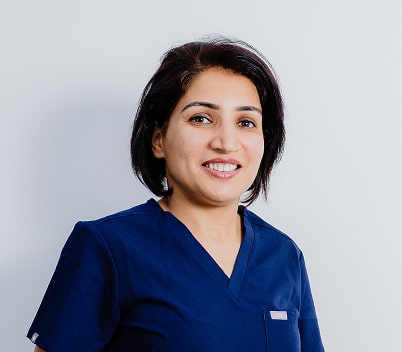
Dr Ahlawat is a certified Invisalign provider with experience across multiple countries, offering cosmetic dentistry, orthodontic treatment, and supportive care for patients who feel anxious about dental visits.
Credentials



FAQ
Frequently Asked Questions
Here are the common questions about clear aligner treatment, covering everything from how they work to what you can expect throughout your orthodontic treatment in Fremantle.
What are clear aligners?
Clear aligners are custom-made, removable orthodontic devices designed to shift teeth into better alignment. They’re crafted from transparent plastic material, making them less noticeable than traditional metal braces during treatment. Each aligner applies controlled pressure to specific teeth, gradually moving them over time. Patients wear each set of aligners for one to two weeks before progressing to the next set in the series.
The treatment process begins with a thorough assessment of your teeth and bite alignment by a registered dentist. Digital scanning or impressions are taken to create a precise treatment plan tailored to your needs. Most patients wear their aligners for 20-22 hours daily, removing them only for eating, drinking, and oral hygiene. Regular dental appointments throughout treatment help monitor progress and check that aligners are working as intended for your specific situation.
How do clear aligners compare to dental braces?
Many patients exploring orthodontic options want to understand how clear aligners differ from traditional braces to determine which approach suits their lifestyle and treatment needs. The table below outlines the key differences between these two orthodontic treatment options.
Aspect | Clear Aligners | Traditional Braces |
Appearance During Treatment | • Transparent plastic trays that fit over teeth • Most people won’t notice during wear • Discreet option for appearance-conscious patients | • Metal or ceramic brackets bonded to teeth • More visible throughout treatment • Tooth-coloured options available for reduced visibility |
Removal and Maintenance | • Removable for eating, drinking, and cleaning • Must be worn 20-22 hours daily • Maintains usual oral hygiene routine | • Fixed to teeth throughout treatment • Cannot be removed until completion • Requires special cleaning around brackets |
Comfort and Adjustments | • Smooth plastic with no metal components • New aligners may cause temporary pressure • Fewer emergency appointments needed | • Initial adjustment period to brackets • Wires may occasionally irritate cheeks or gums • Regular tightening appointments every four to six weeks |
Treatment Suitability | • Effective for mild to moderate concerns • May not suit complex bite issues • Assessment required during consultation | • Addresses simple to complex orthodontic issues • Often recommended for severe misalignment • Proven for comprehensive treatment |
Dietary Restrictions | • No food restrictions with removal before eating • Teeth must be brushed before reinserting • Can enjoy all foods normally | • Certain foods should be avoided • Sticky, hard, or chewy items can damage brackets • Dietary adjustments required throughout treatment |
Treatment Duration | • Generally 6-18 months for most cases • Varies based on individual needs • Compliance with the wearing schedule affects the timeline | • Typically 18-24 months, depending on complexity • Fixed nature supports consistent progress • Regular adjustments guide gradual movement |
Both clear aligners and traditional braces can achieve effective orthodontic results when used appropriately. The most suitable option depends on your specific dental needs, lifestyle preferences, and treatment goals. Clear aligners and Invisalign in Fremantle are becoming increasingly popular among adults who want to improve their smiles without drawing attention to their orthodontic treatment.
How does Invisalign work to move teeth?
Clear aligner treatment uses a series of custom-made trays to shift your teeth into better alignment. Each aligner applies controlled pressure to specific teeth at different stages of your treatment.
- Custom Treatment Planning:
Your dentist takes detailed impressions or digital scans of your teeth to create a personalised treatment plan. This plan maps out the precise movements needed to achieve your desired alignment. - Sequential Aligner Trays:
You’ll receive a series of clear aligners, each designed to move your teeth slightly from their current position. You wear each aligner for one to two weeks before progressing to the next one in the series. - Controlled Tooth Movement:
Each aligner applies pressure to specific teeth, encouraging them to move through the bone. The aligners are engineered to control the direction, timing, and amount of force applied during each stage. - Regular Progress Monitoring:
Your dentist monitors your progress through regular appointments to confirm your teeth are moving as planned. These checkups allow for adjustments to your treatment plan if needed.
The treatment process generally takes several months to over a year, depending on your orthodontic needs and the complexity of tooth movement required.
What happens during a clear aligner consultation?
Your first consultation is an important step in understanding whether clear aligners are suitable for you. During this appointment, we’ll assess your oral health and discuss your treatment goals.
- Comprehensive Oral Examination:
We’ll examine your teeth, gums, and bite alignment to determine if clear aligners are an appropriate option for your situation. When considering orthodontic treatment in Fremantle, it’s essential to undergo a thorough examination to identify any underlying dental issues that may need to be addressed before proceeding. - Digital Imaging and Records:
We take digital scans or impressions of your teeth, along with photographs and X-rays if needed. These records allow us to create an accurate treatment plan tailored to your specific needs. - Treatment Discussion:
We’ll explain how clear aligners work and what you can realistically expect from treatment. This includes discussing the estimated treatment duration, the commitment required, and any limitations based on your case. - Cost and Payment Options:
We’ll provide a clear breakdown of treatment costs and discuss available payment plans. You’ll have all the financial information you need to consider your options without pressure. - Questions and Next Steps:
You’ll have time to ask any questions about the process, and we want you to feel comfortable with the information provided. If you decide to proceed, we’ll outline the next steps; if you need time to consider, that’s completely understandable.
This consultation typically takes 45-60 minutes and involves no obligation to proceed with treatment. If you’re considering clear aligners and Invisalign in Fremantle, contact us today!
How long does clear aligner treatment usually take?
The duration of clear aligner treatment varies based on your needs and the complexity of your case. Simple adjustments may take around 6-12 months to complete. More complex cases involving significant tooth movement can extend to 18 months or longer. Your dentist will assess your specific situation and provide a realistic timeframe during your clear aligner consultation.
Several factors influence how long it will take your treatment to achieve the desired results. The starting position of your teeth and the amount of movement required play important roles. How consistently you wear your aligners each day also significantly affects the timeline. Most patients need to wear their aligners for 20-22 hours daily for optimal progress.
How are clear aligners and Invisalign adjusted over time?
Clear aligner treatment involves a carefully planned series of custom-made trays that guide your teeth into their desired positions. Each aligner in the sequence applies controlled pressure to specific teeth, and you’ll progress through the series according to your dentist’s instructions.
- Sequential tray progression forms the foundation of treatment:
You’ll wear each aligner for one to two weeks before moving to the next tray in your series. Your dentist will provide you with multiple sets of aligners at once, along with clear instructions about when to progress to each new tray. This staged approach allows your teeth to move over time. - Regular dental monitoring helps keep treatment on track:
You’ll attend periodic checkups every six to eight weeks so your dentist can assess your progress and confirm your teeth are moving as planned. During these appointments, your dentist will check the fit of your current aligners, examine your tooth movement, and provide your next set of trays. These monitoring visits allow for any necessary adjustments to your treatment timeline. - Mid-treatment refinements may be required for optimal results:
Some patients may need additional aligners partway through treatment if their teeth aren’t tracking exactly as predicted. Your dentist will take new impressions or scans if refinements are needed, and a fresh series of aligners will be manufactured to complete your treatment. This adjustment process supports progress towards optimal results for your case.
Clear aligner adjustments are designed to fit easily into your daily routine with minimal disruption. The planned sequence of trays you wear at home allows treatment to progress gradually.
Can teeth move again after clear aligners and Invisalign treatment?
Teeth can shift after clear aligner treatment if retainers are not worn as directed by your dentist. This movement happens because the bone and tissues around your teeth need time to stabilise in their new positions. Without consistent retainer use, teeth may gradually drift back towards their original placement over months or years. This natural tendency for teeth to move is why long-term retainer wear is an essential part of orthodontic care.
Your dentist will provide a retainer plan tailored to your specific needs and treatment outcome. Most patients initially wear retainers full-time, then transition to nightly wear for ongoing maintenance. Some factors that may influence tooth movement include jaw growth, teeth grinding, gum disease, or missing teeth in other areas. Following your dentist’s retainer instructions and attending regular dental checkups can help maintain your treatment results over time.
At what age can someone start clear aligner treatment?
Clear aligner treatment is generally suitable for teenagers and adults whose adult teeth have fully emerged. Most dental professionals recommend waiting until around age 12-14, when the jaw has developed sufficiently. However, every patient’s situation is unique, and age alone doesn’t determine treatment suitability. Your dentist will assess your dental development and alignment needs during a consultation.
For younger patients, traditional braces may be more appropriate depending on the complexity of alignment issues. Adults of any age can often be candidates for clear aligners if their teeth and gums are healthy. The treatment gradually shifts teeth into better positions over time, making it possible at various life stages. We’ll evaluate your specific circumstances and recommend the most suitable orthodontic approach for your dental health goals.
Are there dental conditions that make clear aligners and Invisalign unsuitable?
Clear aligners are a popular orthodontic option, but they may not be suitable for everyone. During a consultation, your dentist will assess your circumstances to determine whether clear aligners are the right choice for you.
- Severe Bite Misalignment:
Clear aligners work effectively for mild to moderate orthodontic concerns. Complex bite issues, such as severe overbites, underbites, or crossbites, may require alternative treatment approaches that provide more precise control over tooth movement. - Significant Tooth Rotation:
Teeth that need substantial rotation—particularly canines or premolars—can be challenging to move with clear aligners alone. Traditional orthodontic methods may be more effective for achieving the desired positioning in these cases. - Large Gaps Between Teeth:
While clear aligners can address spacing issues, very large gaps may exceed the aligners’ ability to close effectively. Your dentist will evaluate the extent of spacing to determine if clear aligners are a viable option. - Severely Crowded Teeth:
When teeth are crowded, and there is limited space in the jaw, clear aligners may not be able to create adequate room without additional procedures. Tooth extraction or other interventions might be necessary before or instead of clear aligner treatment. - Active Gum Disease:
When considering orthodontic treatment in Fremantle, remember that periodontal health is essential before starting any bite adjustment. Active gum disease needs to be addressed and stabilised first, as moving teeth when gums are unhealthy can lead to further complications. - Dental Bridges or Implants:
Fixed dental restorations like bridges or implants cannot be moved with clear aligners, as they are anchored in place. This may limit treatment options or require alternative approaches depending on your restoration’s location.
Your dentist will conduct a thorough examination to assess your suitability for clear aligners and discuss all available options with you.
What are the common challenges during clear aligner and Invisalign treatment?
Clear aligner treatment can be effective for many patients, but it’s important to understand the potential challenges you may encounter along the way. Being aware of these common experiences helps you prepare and work with your dental team to achieve the optimal possible outcome. Here’s what patients often experience during clear aligner treatment.
- Initial Discomfort and Adjustment Period:
You may experience mild discomfort or pressure when you first start wearing aligners or switch to a new set. This sensation typically subsides within a few days as your teeth begin to adjust. - Speech Changes:
Some patients notice a slight lisp or change in speech when they first wear aligners. Most people adapt within a week or two as they become accustomed to the aligners in their mouth. - Increased Saliva Production:
Your mouth may produce more saliva initially as it responds to the presence of the aligners. This usually normalises after the first few days of wear. - Dietary Adjustments:
You’ll need to remove your aligners before eating or drinking anything other than water. This requires planning around meals and snacks throughout the day. - Maintenance and Cleaning Requirements:
Clear aligners require regular cleaning to prevent staining and maintain oral hygiene. You’ll need to clean your aligners and your teeth after meals before reinserting them. - Compliance Commitment:
Aligners must be worn for 20-22 hours per day to work effectively. Remembering to wear them consistently requires discipline and routine. - Attachment Visibility:
Small tooth-coloured attachments may be bonded to your teeth to help the aligners work more effectively. While discreet, they are slightly visible during treatment. - Temporary Tooth Sensitivity:
Some patients experience increased sensitivity to hot or cold foods and drinks during treatment. This is temporary and subsides as treatment progresses.
These challenges are generally manageable with proper guidance and support from your dental team. Your dentist will provide strategies to help you navigate each stage of treatment comfortably and successfully.
What happens if you forget to wear your clear aligners and Invisalign?
Clear aligners work by applying consistent, controlled pressure to gradually shift your teeth into their desired positions. When you forget to wear your aligners, this pressure is interrupted, which can slow down or stall your treatment progress. Your teeth may begin to shift back slightly towards their original positions, a process called relapse. This means the treatment timeline you discussed with your dentist may need to be extended to achieve the planned results.
If you miss wearing your aligners for just a few hours occasionally, the impact is usually minimal and unlikely to derail your treatment. However, regularly forgetting to wear them for extended periods can create fitting issues with your current aligner set. You might notice your aligners feel tighter or uncomfortable when you put them back in after a gap. If this happens, contact your dentist before moving to the next aligner set, as they may recommend wearing your current set longer.
How do clear aligners and Invisalign treatment impact daily routines?
Clear aligner treatment is designed to fit into your lifestyle with minimal disruption. While you’ll need to make some adjustments, most patients find the changes manageable and straightforward. Here’s what you can expect in your day-to-day routine:
- Wearing time requirements:
You’ll need to wear your clear aligners for 20-22 hours each day for the treatment to progress as planned. This means keeping them in throughout most of your daily activities, including work, exercise, and sleep. - Removing aligners for meals:
Clear aligners should be removed before eating or drinking anything other than water. This helps protect the aligners from damage and staining, and allows you to eat your meals without restriction. - Oral hygiene routine:
You’ll need to brush your teeth after each meal before reinserting your aligners. This adds a few additional minutes to your routine but helps maintain good oral health during treatment. - Aligner cleaning:
Your aligners need regular cleaning to stay clear and hygienic. Most patients clean their aligners when they brush their teeth, using a soft toothbrush and clear, mild soap or the cleaning solution recommended by their dentist. - Progress monitoring:
You’ll switch to a new set of aligners every one to two weeks, depending on your treatment plan. Regular dental appointments, every six to eight weeks, help monitor your progress and confirm treatment is proceeding as expected.
Most patients adapt to these adjustments within the first week of treatment. If you have questions about how teeth straightening in Fremantle might fit into your specific lifestyle, your dentist can discuss your circumstances during a consultation.
