SERVICES
Preventative Dentistry in Fremantle for Oral Health
What we do?
Understanding Preventative Dental Care
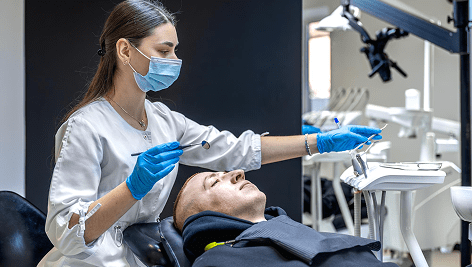
Preventative dentistry in Fremantle includes routine check-ups, professional cleanings, and early identification of potential concerns. This approach may help you maintain oral health while addressing minor issues that are identified. Regular preventative care may help to reduce the risk of tooth decay, gum disease, and other dental concerns. Individual outcomes vary.
Consistent preventative dental visits can play a role in maintaining oral health over time. Our team provides personalised guidance on daily care routines, dietary choices, and habits that support long-term dental health. We aim to make each visit informative and supportive, helping you understand your oral health status.
RIGHT CANDIDATE
Are You the Right Candidate for Preventative Dental Care?
Preventive dental care in Fremantle is suitable for patients of all ages who want to maintain healthy teeth and gums. Regular check-ups can benefit people of all ages, whether they are children or adults.
Most people can benefit from routine preventative visits every six months. Preventive care may be beneficial for those with a history of dental issues or those wanting to address concerns early. Your dentist can assess your individual needs during a consultation.
Benefits
How Regular Preventative Care May Help
Regular preventative dental care in Fremantle can help identify potential concerns before they develop into more serious conditions requiring extensive treatment. Early detection may allow for simpler, more conservative approaches to address dental issues in many cases. Results vary between individuals.
Preventative visits also provide an opportunity to discuss any questions or concerns you may have about your oral health. Regular appointments provide scheduled opportunities to discuss your oral hygiene routine.
Our services
Our Preventative Dentistry Services
Early dental visits help children develop positive associations with dental care and establish oral hygiene habits. Our team provides care in a welcoming environment.
We focus on making appointments comfortable and educational for young patients. Regular check-ups during childhood may help identify developmental concerns early and may support healthy dental growth.
Early dental visits help children develop positive associations with dental care and establish oral hygiene habits. Our team provides care in a welcoming environment.
We focus on making appointments comfortable and educational for young patients. Regular check-ups during childhood may help identify developmental concerns early and may support healthy dental growth.
Custom mouthguards protect your teeth during sports and physical activities. They’re designed to fit comfortably and provide reliable impact protection.
A properly fitted mouthguard may help reduce the risk of chipped, broken, or knocked-out teeth. We create custom mouthguards based on impressions of your teeth for optimal fit and comfort.
Custom mouthguards protect your teeth during sports and physical activities. They’re designed to fit comfortably and provide reliable impact protection.
A properly fitted mouthguard may help reduce the risk of chipped, broken, or knocked-out teeth. We create custom mouthguards based on impressions of your teeth for optimal fit and comfort.
Teeth grinding can cause tooth wear, jaw discomfort, and headaches. We offer treatments that may help manage grinding and may reduce the risk of further damage to your teeth.
Custom night guards may help cushion your teeth and may reduce the effects of grinding during sleep. Effectiveness varies between individuals.
Teeth grinding can cause tooth wear, jaw discomfort, and headaches. We offer treatments that may help manage grinding and may reduce the risk of further damage to your teeth.
Custom night guards may help cushion your teeth and may reduce the effects of grinding during sleep. Effectiveness varies between individuals.
TMJ concerns can cause jaw discomfort, clicking sounds, and difficulty opening your mouth fully. We provide assessment and treatment options that may help manage TMJ-related symptoms.
Treatment approaches may include exercises, lifestyle modifications, or oral appliances, depending on your individual situation. Your dentist will work with you to develop an appropriate management plan.
TMJ concerns can cause jaw discomfort, clicking sounds, and difficulty opening your mouth fully. We provide assessment and treatment options that may help manage TMJ-related symptoms.
Treatment approaches may include exercises, lifestyle modifications, or oral appliances, depending on your individual situation. Your dentist will work with you to develop an appropriate management plan.
Sleep apnoea can affect your quality of rest and overall health. Dental appliances may help some patients manage mild to moderate sleep apnoea by supporting proper airway positioning during sleep.
Any surgical or invasive procedure carries risks. Before proceeding, you should seek a second opinion from an appropriately qualified health practitioner.
PROVEN RESULTS & EXPERT CARE
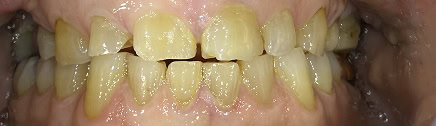
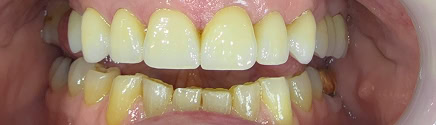
Real Results from Experienced Specialists
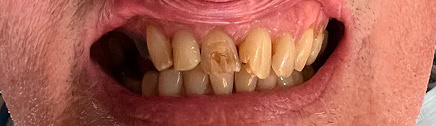
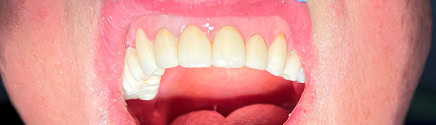
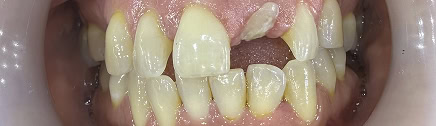
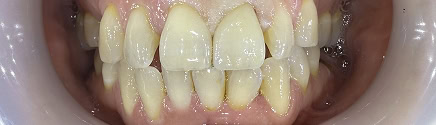
Disclaimer: Individual results may vary. Images shown are of actual patients with consent.
WHAT MAKES US DIFFERENT
Why Choose On Point Dental for Preventative Dental Care
Thorough Check-Ups and Cleanings
Our preventative appointments include examinations of teeth, gums and oral tissues, along with professional cleaning to remove plaque and calculus. Diagnostic tools help identify potential concerns early, when treatment may be simpler. We discuss any findings with you and outline practical steps you can take to support ongoing oral health between visits, helping maintain long-term dental wellbeing.
Patient Education and Guidance
We take time to explain clinical findings and demonstrate appropriate brushing and flossing techniques. Personalised recommendations consider your lifestyle, diet and oral health history. Clear communication supports understanding of how daily habits influence dental outcomes, helping you manage your oral health confidently and make decisions that align with long-term preventative goals. Questions are always encouraged during appointments.
Family-Friendly Environment
Our clinic welcomes patients of all ages, offering preventative care tailored to children, adults and seniors. We coordinate appointments for families where possible and accept major health funds to support access. Flexible scheduling, including Sundays, helps busy households maintain regular check-ups, building useful dental habits early and supporting continuity of care in a comfortable, familiar environment.
New Patient Special Offer
$299
Dental Package Available for New Patients: Complete Preventive Care Services in One Appointment
*New patients only. Cannot be combined with insurance claims.
See full terms and conditions.
Quality Dental Care That Fits Your Budget
HBF Member Plus Preferred Provider
- Eligible HBF Member Plus members can receive reduced gap payments on many dental services.
- We process your health fund claim on the spot, and you’ll pay only the gap amount.
- Our team can check your cover and provide an estimate of your out-of-pocket costs before treatment begins.
- Being a preferred provider means we meet HBF's quality and service standards, giving you added security in your care.
- HBF Member Plus preferred provider status allows eligible members to access reduced payments. Terms and conditions apply.
NIB First Choice Preferred Provider
- NIB First Choice members may receive higher benefits and lower gap payments when they visit our clinic.
- We submit your claim directly to NIB, making the process straightforward and reducing paperwork for you.
- Our reception team can explain your NIB benefits and help you understand what's included in your cover.
- We're committed to transparent pricing, so you'll know your expected costs before we start any treatment.
Flexible Payment Plans Available
Fund My Dental
Zip Pay
Zip Pay
YOUR FIRST VISIT
What to Expect When You Visit
On Point Dental
Schedule Your Visit
We Check: Teeth, gums, jaw joints, oral cancer screening, bite alignment, existing dental work
Fill Out Your Patient Forms
What to Bring: Health fund card, Medicare card (if applicable), list of current medications
Detailed Oral Assessment
We Check: Teeth, gums, jaw joints, oral cancer screening, bite alignment, existing dental work
Treatment Plan Discussion
Transparent Pricing: All costs explained upfront, payment plans available, health fund rebates calculated.
Begin Your Dental Care
Ongoing Care: Regular check-ups every 6 months, reminders sent, family appointments coordinated
THE TEAM
Our Friendly Team - Meet The Faces Behind Your Smile
Our dental team brings diverse training and experience to provide quality care, and they’re supported by our skilled dental assistants and administrative team, who help make your visit run smoothly.
Credentials
Credentials
Credentials
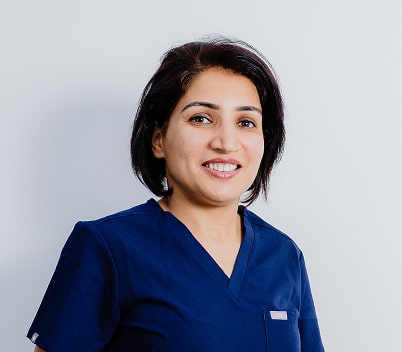
Dr. Ahlawat is a certified Invisalign provider with experience across multiple countries, offering cosmetic dentistry, orthodontic treatment, and supportive care for patients who feel anxious about dental visits.
Credentials
FAQ
Frequently Asked Questions
What does preventative dentistry involve?
Key preventative services include the following:
- Regular dental examinations to monitor your oral health over time.
- Professional teeth cleanings to manage plaque and tartar from your teeth and gums.
- Patient education about brushing, flossing, and dietary choices that support oral health.
- Fluoride treatments may help strengthen tooth enamel and may help reduce cavity risk for some patients.
- Dental sealants to protect back teeth from tooth decay.
Why is preventative dentistry important?
Preventative care may play a role in supporting your overall health. Research has shown connections between oral health and conditions such as heart concerns and diabetes, though more studies are needed to fully understand these relationships. Maintaining healthy teeth and gums through preventative dentistry in Fremantle contributes to your broader wellbeing.
Additionally, preventative dentistry may involve less cost compared to addressing advanced dental issues. Routine care is typically less involved than addressing advanced dental issues. Regular visits provide peace of mind and an opportunity to ask questions and receive personalised guidance about caring for your teeth at home.
How does preventative dentistry support early detection of dental issues?
Dental X-rays taken during preventative visits allow your dentist to see areas that are not visible during a visual examination. These images show spaces between teeth, below the gum line, and within tooth structure. Early detection may allow for simpler approaches to addressing concerns in some cases.
0 Regular preventative visits also establish a baseline for your oral health, which may help your dentist notice changes over time.
What is the difference between preventative dentistry and general dentistry?
General dentistry encompasses a broader range of services. This includes preventative care as well as restorative care, such as tooth fillings, crowns, and root canal treatment. While preventative dentistry aims to maintain health and prevent issues, general dentistry addresses both prevention and ongoing care of existing dental concerns.
Both approaches are important for maintaining your oral health. Your dentist will discuss which services are appropriate for your needs during your visits. Preventative services are often part of a comprehensive general dental care plan.
What happens during a preventative dentistry consultation?
- Your dentist reviews your oral health history and discusses any current concerns you may have about your teeth or gums.
- A thorough examination of your teeth, gums, and mouth is conducted to check for signs of decay, gum concerns, or other changes.
- X-rays may be taken if needed to view areas not visible during the visual examination, such as between teeth or below the gum line.
- A professional teeth cleaning removes plaque and tartar buildup from your teeth and gums using dental tools.
- Your dentist assesses your risk for cavities or gum concerns and discusses strategies that may help reduce your risk.
How often should someone attend preventative dental visits?
Some patients may benefit from more frequent visits based on their individual circumstances. Factors that might require more frequent visits include the following:
- A history of gum concerns or cavities that need closer monitoring.
- Certain health conditions, such as diabetes, may affect oral health.
- Habits such as smoking increase your risk of gum concerns and other oral health issues.
- Pregnancy can affect gum health due to hormonal changes.
What role does patient education play in preventative dentistry?
Education may also address habits such as teeth grinding or tobacco use. Understanding how these factors may impact your teeth and gums helps you make informed choices about your oral care. Your dentist can provide specific recommendations tailored to your situation, whether you’re managing sensitivity, bad breath, or other concerns.
Patient education is an ongoing process. Your dental team is here to support you with information and guidance at every visit.
How does preventative dentistry encourage good oral health habits?
For children, preventative visits can support establishing routines early in life. These appointments teach them the importance of caring for their teeth and make dental visits feel normal and manageable. Your dentist can explain the connection between daily habits and oral health outcomes in age-appropriate ways.
By providing personalised feedback and support, preventative dentistry may help you develop and maintain habits that support your oral health over time. Regular visits create accountability and provide opportunities to adjust your approach as your needs change.
What are the long-term effects of consistent preventative dental visits?
Consistent preventative dental visits may help support oral health maintenance over time. Regular monitoring allows your dentist to identify and address concerns early, often with simpler approaches than would be needed if issues progressed. Over the long term, preventative care may help you manage gum health. Preventative visits may also support your overall health. Research has shown connections between oral health and broader wellbeing, though more studies are needed to fully understand these relationships. Oral health is connected to broader wellbeing, and maintaining healthy teeth and gums may contribute to your general health.
Routine services are typically less involved than addressing advanced dental issues. The long-term effects of consistent preventive care may include improved oral health maintenance. Regular monitoring allows for early identification of concerns.


How can patients participate in their own preventive dental care?
Daily Home Care:
- Brush your teeth twice daily with fluoride toothpaste for at least two minutes each time.
- Floss daily to remove plaque and food particles from between your teeth and along the gum line.
- Use mouthwash, as recommended by your dentist, which may help manage bacteria.
- Limit sugary snacks and drinks that can contribute to tooth decay.
- Avoid tobacco products that increase your risk of gum concerns and other oral health issues.
- Drink plenty of water throughout the day, which may help wash away food particles.
Preventative dentistry is a partnership between you and your dental team. Your active participation may help support your oral health over time. Your dentist can provide guidance tailored to your specific needs, but the daily habits you maintain at home may help support long-term oral health.
How is preventative dentistry integrated into overall treatment planning?
For example, if you need restorative work, such as a filling or crown, maintaining regular preventative visits helps monitor the health of your other teeth and gums. Preventative care considers your mouth as a whole, not just individual issues. This comprehensive approach helps identify connections between different aspects of your oral health.
Your dentist will work with you to create a care plan that addresses both your immediate needs and your long-term oral health goals. Preventative dentistry is integrated as an ongoing component, not just a one-time service. Regular monitoring allows your care plan to adapt as your needs change over time.
How does preventative dentistry complement other dental treatments?
During the procedure, preventative visits allow your dentist to monitor your progress and address any concerns that arise. After the procedure, preventative care may help maintain the results and address your overall oral health.
For example, if you receive dental implants, regular preventative visits help monitor the health of your gums and remaining teeth. This ongoing care may help support your implants and offer opportunities to address maintenance needs. Preventative dentistry works alongside other procedures to support your oral health over time.