Services
Restorative Dentistry in Fremantle
Restorative dentistry in Fremantle provides treatments designed to help manage damaged teeth, address missing teeth, and may support oral function for patients seeking ongoing dental care.
What we do?
Treatments That May Help Manage Tooth Damage, Missing Teeth, and Dental Function
At On Point Dental, we provide restorative dental care to help you maintain functional, comfortable teeth throughout your life.
Tooth restoration in Fremantle can help address concerns such as decay, damage, or tooth loss through a range of restorative care options. Treatments may include fillings, crowns, implants, or dentures, depending on your clinical needs. During your consultation, our team will assess your oral health and discuss suitable treatment pathways based on your individual circumstances.
We aim to provide clear, professional information to support informed decision-making about your care. Individual responses to treatment vary, and outcomes depend on factors such as oral health status and treatment type. This information does not guarantee specific results.
RIGHT CANDIDATE
Who is the Right Candidate for Restorative Dentistry Services?
Dental restoration procedures may be suitable for patients with cavities, broken or cracked teeth, missing teeth, or worn dental work that needs updating. It can also support those seeking broken tooth treatment or exploring missing teeth options.
You may benefit from restorative dentistry if you’re experiencing discomfort, difficulty chewing, or concerns about your teeth’s appearance. A consultation can help determine which treatment options may be appropriate for your situation.
Benefits
Potential Outcomes of Restorative Dentistry
Restorative dental care may help manage concerns related to worn, damaged, or missing teeth. Timely assessment may reduce the likelihood of further complications, although outcomes vary between individuals. Options such as dentures or implants may support chewing function and jaw structure when clinically appropriate.
Treatment responses depend on factors including oral health, bone condition, and daily care habits. Your dentist will discuss suitable options and realistic expectations during your appointment.
Our services
Our Comprehensive Restorative Dentistry Services at On Point Dental
We offer a comprehensive range of restorative dentistry services to address a variety of dental concerns and support your long-term oral health.
Dentures are removable appliances that can replace multiple missing teeth. They’re custom-made to support chewing and speaking, with outcomes varying among patients.
Our team can discuss whether full or partial dentures may be suitable for your needs and guide you through the fitting process.
Dentures are removable appliances that can replace multiple missing teeth. They’re custom-made to support chewing and speaking, with outcomes varying among patients.
Our team can discuss whether full or partial dentures may be suitable for your needs and guide you through the fitting process.
Implant dentures attach to dental implants placed in the jawbone. This option may offer improved stability compared to traditional dentures in many cases.
We can assess whether you’re a candidate for implant dentures and explain what the treatment involves during your consultation.
Full mouth reconstruction involves a combination of restorative treatments to help address extensive damage, decay, or tooth loss, with treatment plans tailored to individual needs.
This may include crowns, bridges, implants, or other procedures designed to support function and appearance across multiple teeth, with outcomes varying by patient.
Full mouth reconstruction involves a combination of restorative treatments to help address extensive damage, decay, or tooth loss, with treatment plans tailored to individual needs.
This may include crowns, bridges, implants, or other procedures designed to support function and appearance across multiple teeth, with outcomes varying by patient.
Partial dentures replace one or more missing teeth and are held in place by clasps that attach to your remaining natural teeth. They’re a removable option for restoring gaps in your smile.
We can discuss how partial dentures work and whether they’re a suitable option for your dental situation.
Partial dentures replace one or more missing teeth and are held in place by clasps that attach to your remaining natural teeth. They’re a removable option for restoring gaps in your smile.
We can discuss how partial dentures work and whether they’re a suitable option for your dental situation.
Any surgical or invasive procedure carries risks. Before proceeding, you should seek a second opinion from an appropriately qualified health practitioner.
PROVEN RESULTS & EXPERT CARE
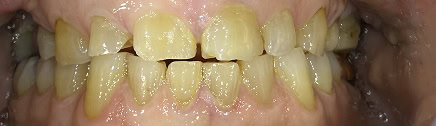
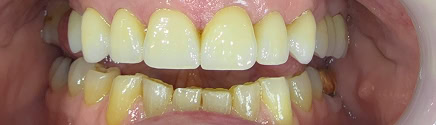
Examples of Our Dental Work
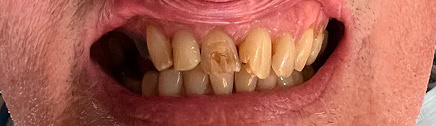
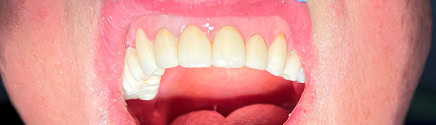
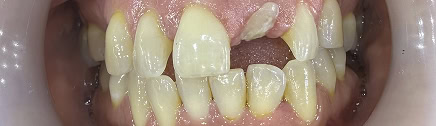
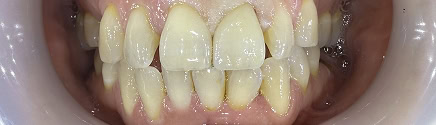
These images show examples of dental treatments completed at our clinic, demonstrating the range of care we provide for our patients.
Disclaimer: Individual results may vary. Images shown are of actual patients with consent.
WHAT MAKES US DIFFERENT
Why Choose On Point Dental for Restorative Dentistry
Restoring damaged or missing teeth requires skill, quality materials, and careful planning. Here are some reasons why patients trust On Point Dental for restorative treatments.
Advanced Restorative Techniques
Our clinic utilises current restorative dentistry techniques and quality materials for procedures including dental crowns, bridges, implants, and dentures. We invest in technology that supports accurate diagnosis and treatment planning, helping to achieve functional and aesthetic outcomes. Our dentists maintain their skills through continuing professional development in restorative procedures and material science.
Dental Implants Completed In-House
Rather than referring implant cases elsewhere, we provide dental implant treatments at our Fremantle clinic from initial consultation through to final restoration. This in-house approach means consistent care from familiar practitioners who understand your dental history, streamlined communication throughout the treatment process, and coordinated timing between surgical and restorative phases of your implant procedure.
Flexible Ways to Manage Costs
We believe quality restorative dentistry should be accessible, which is why we work as HBF and NIB preferred providers and accept all major health funds to maximise your benefits. For treatments not fully covered by health funds, we offer payment plans with flexible terms, interest-free options, and quick approval, so you can proceed with the necessary restorative work.
New Patient Special Offer
$299
Dental Package Available for New Patients: Complete Preventive Care Services in One Appointment
*New patients only. Cannot be combined with insurance claims.
See full terms and conditions.
INSURANCE & PAYMENT OPTIONS
Quality Dental Care That Fits Your Budget
We work with major health funds and offer flexible payment options to help make dental care more accessible and manageable for our patients.
HBF Member Plus Preferred Provider
- Eligible HBF Member Plus members can receive reduced gap payments on many dental services.
- We process your health fund claim on the spot, and you’ll pay only the gap amount.
- Our team can check your cover and provide an estimate of your out-of-pocket costs before treatment begins.
- Being a preferred provider means we meet HBF's quality and service standards, giving you added security in your care.
- HBF Member Plus preferred provider status allows eligible members to access reduced payments. Terms and conditions apply.
NIB First Choice Preferred Provider
- NIB First Choice members may receive higher benefits and lower gap payments when they visit our clinic.
- We submit your claim directly to NIB, making the process straightforward and reducing paperwork for you.
- Our reception team can explain your NIB benefits and help you understand what's included in your cover.
- We're committed to transparent pricing, so you'll know your expected costs before we start any treatment.
Flexible Payment Plans Available
Fund My Dental
YOUR FIRST VISIT
What to Expect When You Visit On Point Dental
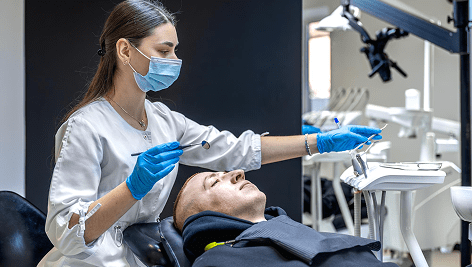
Our first appointment process is designed to be clear and thorough, allowing us to assess your oral health and discuss your treatment options in a relaxed, supportive environment.
Schedule Your Visit
Contact our friendly reception team by phone or through our online booking system to arrange your first appointment. We’ll find a time that suits your schedule and answer any initial questions you might have about your visit.


We Check: Teeth, gums, jaw joints, oral cancer screening, bite alignment, existing dental work
Fill Out Your Patient Forms
During your appointment, you’ll complete a health history form that helps us understand your medical background, current medications, and any dental concerns. This information allows us to provide care that’s appropriate for your individual circumstances.
What to Bring: Health fund card, Medicare card (if applicable), list of current medications
Detailed Oral Assessment
During your first visit, your dentist will conduct a thorough examination of your teeth, gums, and oral structures. This may include digital X-rays if needed to assess areas not visible during the visual examination, giving us a complete picture of your oral health.
We Check: Teeth, gums, jaw joints, oral cancer screening, bite alignment, existing dental work
Treatment Plan Discussion
Your dentist will discuss their findings with you and explain any areas of concern. If treatment is needed, we’ll talk through your options, answer your questions, and provide clear information about what each approach involves so you can make educated decisions about your dental care.
Transparent Pricing: All costs explained upfront, payment plans available, health fund rebates calculated.
Begin Your Dental Care
Once we’ve agreed on a treatment approach, we can often start addressing your dental needs at the same appointment for straightforward procedures. For more complex treatments, we’ll schedule follow-up appointments and provide you with the information you need to prepare.
Ongoing Care: Regular check-ups every 6 months, reminders sent, family appointments coordinated
THE TEAM
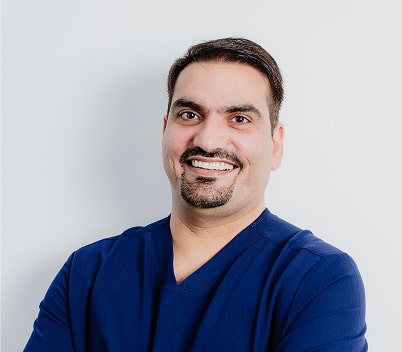
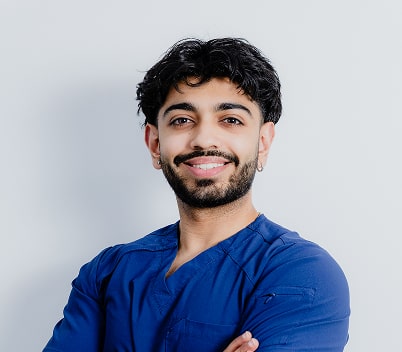
Our Friendly Team - Meet The Faces Behind Your Smile
Our dental team brings diverse training and experience to provide quality care, and they’re supported by our skilled dental assistants and administrative team, who help make your visit run smoothly.
Credentials
Credentials
Credentials
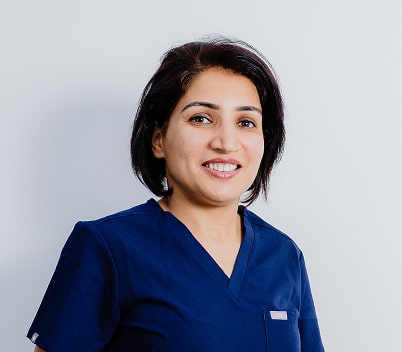
Dr Ahlawat is a certified Invisalign provider with experience across multiple countries, offering cosmetic dentistry, orthodontic treatment, and supportive care for patients who feel anxious about dental visits.
Credentials
FAQ
Frequently Asked Questions
If you’re considering restorative dentistry in Fremantle, you likely have questions about treatments, recovery, and what to expect. Below are common questions patients ask about restorative dental care.
What is restorative dentistry?
Restorative dentistry involves treatments designed to help address teeth affected by decay, damage, or tooth loss. The goal is to support the structure, function, and appearance of your teeth, which may help with eating, speaking, and smiling, though outcomes vary. Common options may include fillings, crowns, bridges, and dentures, depending on individual clinical needs.
What can restorative dentistry help with?
Restorative dentistry is for a variety of dental concerns, including the following:
- Tooth decay: Fillings and crowns are designed to manage cavities, depending on your specific situation.
- Broken or cracked teeth: Crowns, bonding, or other restorations can strengthen the tooth and may reduce the risk of further damage.
- Missing teeth: Bridges, dentures, or dental implants are options to fill gaps and may improve your ability to chew and speak more comfortably.
- Worn enamel: Restorative treatments are for tooth structure worn down by grinding, acid erosion, or natural ageing.
- Failed or ageing dental work: Old fillings, crowns, or other restorations can be replaced if they become damaged, loose, or worn over time.
- Tooth pain or sensitivity: Restorative treatments may help address potential underlying causes of discomfort.
Your dentist will assess your situation and recommend appropriate treatment options tailored to your needs.
What is the difference between restorative and cosmetic dentistry?
Restorative dentistry focuses on replacing damaged, decayed, or missing teeth to restore function and protect oral health. Treatments such as fillings, crowns, and bridges are primarily designed to manage structural or functional concerns.
Cosmetic dentistry, on the other hand, focuses on improving the appearance of your teeth and smile. Procedures such as teeth whitening, veneers, and bonding are usually selected for aesthetic reasons rather than to address functional issues. Some treatments, such as crowns or implants, can serve both restorative and cosmetic purposes depending on the situation.
What if I'm anxious about restorative dental treatment?
Dental anxiety is common, and we understand that some patients feel nervous about treatment. At On Point Dental, we aim to create a supportive environment where you feel heard and comfortable. Here’s how we can help:
- Clear explanations: Before starting any procedure, we’ll outline what to expect and address your concerns.
- Local anaesthesia: We use anaesthesia to help manage discomfort during treatment, which many patients find helps them feel more at ease.
- Additional comfort options: We can discuss additional measures to help you feel more comfortable during your appointment, if needed.
- Extra time: If you’re feeling anxious, let us know when you book your appointment so we can plan extra time and provide the support you need.
Your comfort matters to us, and we’ll work with you to make your experience as positive as possible.
How long do dental restorations last?
The lifespan of a dental restoration depends on several factors:
- Type of restoration: Fillings may last several years, while crowns and bridges can often last a decade or more with careful maintenance. Dental implants can last many years with proper care.
- Materials used: Different materials have different durability characteristics, which your dentist will discuss with you.
- Location of the tooth: Restorations in areas that experience heavy chewing forces may experience more wear over time.
- Oral hygiene habits: Good oral hygiene, regular dental checkups, and avoiding habits such as grinding or chewing on hard objects can help extend the life of your restoration.
Your dentist will provide guidance on caring for your specific restoration to help it last as long as possible.
How many appointments will I need for restorative treatment?
The number of appointments depends on the type of treatment. Some procedures, such as fillings, can often be completed in a single visit. Others, such as crowns, bridges, or implants, may require multiple appointments to allow time for preparation, custom fabrication, and placement.
Your dentist will explain the expected timeline during your initial consultation so you know what to expect. If you have multiple dental concerns, we can discuss whether treatments can be scheduled together or spread out over time.
Do I need time off work after restorative dental procedures?
For most restorative procedures, you can return to your normal activities soon after your appointment. Simple treatments such as fillings typically involve minimal disruption to your day. More involved procedures, such as extractions or implant placement, may require a short recovery period. Your dentist will provide guidance based on the specific treatment you receive. If you have concerns about scheduling treatment around work or other commitments, let us know so we can discuss your options.
How long does it take to recover from tooth restoration?
Recovery time varies by procedure. After a filling, you may experience slight sensitivity for a day or two, but most patients feel comfortable quite quickly. After crown or bridge placement, you may notice tenderness in the area for a few days.
More extensive procedures, such as extractions or implant surgery, may involve a recovery period of several days to a week or more. Your dentist will explain what to expect and provide instructions on managing any discomfort, eating, and caring for the area during recovery.
Can dental restorations fail over time?
While dental restorations are designed to be durable, they can sometimes fail or need replacement over time. Factors that can affect restoration longevity include the following:
- Normal wear: Restorations can wear down over time, particularly in areas that experience heavy chewing forces.
- Decay around the restoration: New decay can develop around the edges of fillings or crowns if oral hygiene is not maintained.
- Changes in tooth structure: The natural tooth beneath a restoration can change over time, affecting how well the restoration fits or functions.
- Damage from grinding or injury: Teeth grinding (bruxism) or accidental injury can damage restorations.
Regular dental checkups allow your dentist to monitor your restorations and identify any issues early. If a restoration does fail, your dentist will discuss options with you. Practising good oral hygiene and following your dentist’s care recommendations can help reduce the likelihood of restoration failure.
Is it too late for restorative dentistry if I've avoided the dentist for years?
It’s never too late to address your dental concerns. Many patients come to us after avoiding the dentist for a long time, and we’re here to help without judgment. Even if you have significant decay, damage, or tooth loss, tooth restoration in Fremantle may help restore function and improve your oral health, with outcomes varying by individual circumstances. We’ll assess your situation, discuss your options, and create a treatment plan tailored to you. The first step is to schedule an examination so we can understand what’s happening and discuss next steps.
Can restored teeth look natural?
Modern restorative materials are designed to blend with your natural teeth. Tooth-coloured fillings, porcelain crowns, and ceramic bridges can be matched to the shade and shape of your surrounding teeth, making them difficult to distinguish from natural teeth.
Your dentist will consider both appearance and function when planning your treatment, particularly for restorations in visible areas. If aesthetics are a priority for you, let your dentist know so this can be considered in your treatment plan.
What should I expect during restorative dental treatment?
During restorative dental treatment, your dentist will typically begin by numbing the area with local anaesthesia to help minimise discomfort. You may feel pressure or movement during the procedure, but it should not be painful. Your dentist will explain each step as it happens and check in with you throughout. After the treatment, you may experience some sensitivity or tenderness, which usually improves within a few days.
Your dentist will provide aftercare instructions and answer any questions you have before you leave the clinic. If you have questions about what restorative dentistry in Fremantle entails, our team is available to discuss them during your consultation.
Please note: All treatment information provided is general in nature. Individual results, recovery times, and treatment suitability vary significantly between patients. A consultation is required to assess your specific situation and discuss appropriate options