

Services
Orthodontics in Fremantle As A Teeth Straightening Option
Professional orthodontics in Fremantle offers personalised teeth-straightening plans supported by thorough assessment and ongoing care to help maintain long-term oral health and function.
What we do?
The Use of Devices And Techniques to Straighten Teeth and Address Bite Problems for Better Oral Health
Orthodontic care uses clinically supported devices and techniques to gradually align teeth and adjust bite irregularities, helping improve oral function, comfort, and long-term dental health.
Orthodontic treatment begins with a thorough assessment of tooth position, jaw relationships, and overall oral health. This allows the dentist to identify crowding, spacing, or bite concerns and recommend appropriate options. Depending on individual needs, treatment may involve fixed or removable appliances that apply controlled forces to guide teeth into healthier positions over time. Regular reviews help monitor treatment progress and allow timely adjustments when needed.
Adjusting bite and alignment issues can support chewing efficiency, clearer oral hygiene access, and reduced strain on teeth and jaw joints. Once active treatment is complete, retainers are typically used to support stability. Individual retention outcomes vary.

RIGHT CANDIDATE
Ideal Candidates for Professional Orthodontic Treatment
People who may benefit from orthodontic care often have concerns such as crowding, spacing, or bite irregularities that affect oral function. A professional assessment helps identify whether treatment can support long-term dental health and balanced jaw alignment.
Orthodontic treatment can be suitable for children, teenagers, and adults, depending on individual dental development and oral health needs. A consultation with a registered dental practitioner provides tailored guidance on appropriate options.
Benefits
Understanding the Benefits of Orthodontic Treatment for
Teeth Alignment
Orthodontic treatment helps improve the alignment and function of teeth by guiding them into more balanced positions. Through careful assessment and customised appliances, dentists address concerns such as crowding, bite irregularities, and spacing, supporting long-term oral health.
Straightening teeth can also make daily cleaning easier and help distribute chewing forces more evenly, reducing strain on teeth and jaws. Treatment plans are tailored to individual needs to support healthy, stable outcomes.

Our services
Orthodontics Services and Treatments We Provide at On Point Dental
We offer a range of orthodontic options designed to support healthy tooth alignment and bite function. Our team provides personalised assessments to help determine the most appropriate treatment approach.

Invisalign uses a series of removable, custom-made aligners designed to gradually guide teeth towards better alignment. Each set is worn for a prescribed period under professional supervision.
It can be suitable for various alignment concerns, with your dentist assessing whether this approach meets your clinical needs.
Invisalign uses a series of removable, custom-made aligners designed to gradually guide teeth towards better alignment. Each set is worn for a prescribed period under professional supervision.
It can be suitable for various alignment concerns, with your dentist assessing whether this approach meets your clinical needs.

Dental braces use brackets and wires to apply controlled forces that help reposition teeth over time. Regular review appointments support monitoring and adjustments throughout treatment.
They may be recommended for a wide range of orthodontic needs. Your dentist will advise whether braces are appropriate based on your oral condition.
Dental braces use brackets and wires to apply controlled forces that help reposition teeth over time. Regular review appointments support monitoring and adjustments throughout treatment.
They may be recommended for a wide range of orthodontic needs. Your dentist will advise whether braces are appropriate based on your oral condition.
WHAT MAKES US DIFFERENT
Why Choose On Point Dental for Orthodontic Treatment
Invisalign Treatment Available In-House
Our clinic provides Invisalign treatment using digital scanning to plan the sequence of aligners. Receiving orthodontic care in a familiar environment supports continuity with a clinician who is familiar with your dental history. Treatment suitability varies, and we discuss expected timelines and individual considerations to help you understand how Invisalign may fit your needs and what to anticipate during your orthodontic journey.
Convenient Fremantle Location
Orthodontic treatment involves regular appointments, so accessibility is important. Our clinic is located near Fremantle train station with convenient public transport and parking options. We also offer Sunday and flexible appointment times to accommodate work, family and FIFO schedules. This helps you maintain consistent monitoring throughout treatment without disrupting your weekly commitments.
Integrated with General Care
Because we provide general and restorative dentistry at the same location, any dental needs that arise during orthodontic treatment can be addressed promptly. This integration helps support ongoing oral health while your teeth are moving. With your records and orthodontic planning managed by the same team, communication remains clear, and your care can progress in a coordinated, organised way.
New Patient Special Offer
$299
Dental Package Available for New Patients: Complete Preventive Care Services in One Appointment
*New patients only. Cannot be combined with insurance claims.
See full terms and conditions.
INSURANCE & PAYMENT OPTIONS
Quality Dental Care That Fits Your Budget
We work with major health funds and offer flexible payment options to help make dental care more accessible and manageable for our patients.


HBF Member Plus Preferred Provider
- Eligible HBF Member Plus members can receive reduced gap payments on many dental services.
- We process your health fund claim on the spot, and you’ll pay only the gap amount.
- Our team can check your cover and provide an estimate of your out-of-pocket costs before treatment begins.
- Being a preferred provider means we meet HBF's quality and service standards, giving you added security in your care.
- HBF Member Plus preferred provider status allows eligible members to access reduced payments. Terms and conditions apply.


NIB First Choice Preferred Provider
- NIB First Choice members may receive higher benefits and lower gap payments when they visit our clinic.
- We submit your claim directly to NIB, making the process straightforward and reducing paperwork for you.
- Our reception team can explain your NIB benefits and help you understand what's included in your cover.
- We're committed to transparent pricing, so you'll know your expected costs before we start any treatment.






Flexible Payment Plans Available
Fund My Dental


YOUR FIRST VISIT
What to Expect When You Visit On Point Dental
Our first appointment process is designed to be clear and thorough, allowing us to assess your oral health and discuss your treatment options in a relaxed, supportive environment.
Schedule Your Visit
Contact our friendly reception team by phone or through our online booking system to arrange your first appointment. We’ll find a time that suits your schedule and answer any initial questions you might have about your visit.
We Check: Teeth, gums, jaw joints, oral cancer screening, bite alignment, existing dental work
Fill Out Your Patient Forms
During your appointment, you’ll complete a health history form that helps us understand your medical background, current medications, and any dental concerns. This information allows us to provide care that’s appropriate for your individual circumstances.
What to Bring: Health fund card, Medicare card (if applicable), list of current medications
Detailed Oral Assessment
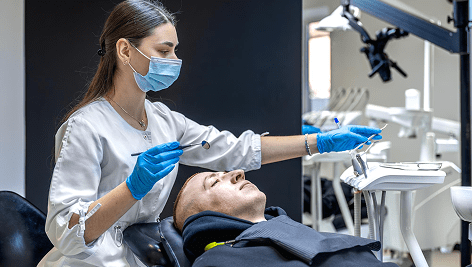
During your first visit, your dentist will conduct a thorough examination of your teeth, gums, and oral structures. This may include digital X-rays if needed to assess areas not visible during the visual examination, giving us a complete picture of your oral health.
We Check: Teeth, gums, jaw joints, oral cancer screening, bite alignment, existing dental work
Treatment Plan Discussion
Your dentist will discuss their findings with you and explain any areas of concern. If treatment is needed, we’ll talk through your options, answer your questions, and provide clear information about what each approach involves so you can make educated decisions about your dental care.
Transparent Pricing: All costs explained upfront, payment plans available, health fund rebates calculated.
Begin Your Dental Care
Once we’ve agreed on a treatment approach, we can often start addressing your dental needs at the same appointment for straightforward procedures. For more complex treatments, we’ll schedule follow-up appointments and provide you with the information you need to prepare.
Ongoing Care: Regular check-ups every 6 months, reminders sent, family appointments coordinated
THE TEAM
Our Friendly Team - Meet The Faces Behind Your Smile
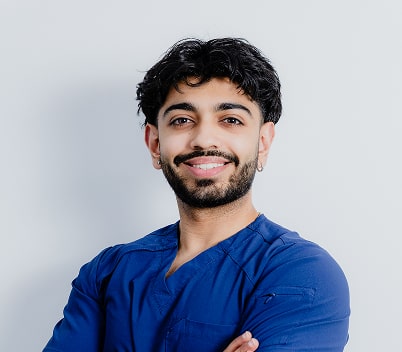
Our dental team brings diverse training and experience to provide quality care, and they’re supported by our skilled dental assistants and administrative team, who help make your visit run smoothly.

Credentials



Credentials


Credentials


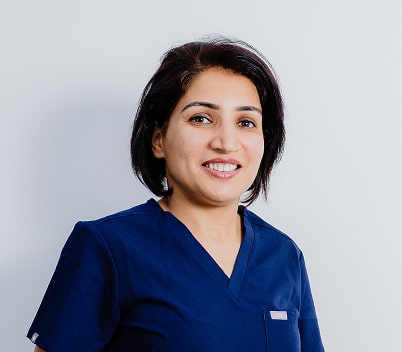
Dr Ahlawat is a certified Invisalign provider with experience across multiple countries, offering cosmetic dentistry, orthodontic treatment, and supportive care for patients who feel anxious about dental visits.
Credentials



FAQ
Frequently Asked Questions
Find practical answers to common questions about teeth straightening in Fremantle, from treatment steps and timelines to comfort, effectiveness, and professional supervision.
What exactly does orthodontic treatment involve?
Orthodontic treatment involves a planned and personalised approach to improving the alignment, function, and overall health of your teeth and jaws. It is a gradual process that combines clinical experience, diagnostic tools, and customised appliances to help achieve a balanced bite.
- Comprehensive Assessment and Diagnosis:
Your orthodontic journey begins with a detailed assessment that includes clinical examinations, digital X-rays, photographs, and impressions or scans of your teeth. This step helps the dentist identify bite irregularities, crowding, spacing, and jaw alignment issues before designing a treatment plan tailored to your needs. - Personalised Treatment Planning:
Based on the assessment, your dentist creates a customised plan outlining the type of orthodontic appliance required, the expected treatment duration, and goals for improving function and aesthetics. Every treatment plan is unique and considers factors such as age, oral health status, and lifestyle. - Appliance Options and Adjustments:
Teeth straightening may involve fixed or removable appliances such as braces or clear aligners. These devices apply controlled pressure to move teeth gradually into their proper positions. Regular appointments are scheduled to monitor progress and make precise adjustments. - Monitoring Oral Health During Treatment:
Maintaining oral hygiene is essential throughout orthodontic care. Your dentist provides guidance on cleaning techniques and dietary habits to minimise the risk of plaque buildup, gum irritation, or enamel wear while wearing orthodontic appliances. - Retention and Long-Term Stability:
Once the active phase is complete, a retainer is often prescribed to help maintain the new tooth positions. This retention phase is essential for preserving your results and supporting long-term oral health.
Orthodontic care is a collaborative process that not only enhances the appearance of your smile but also improves bite function and overall dental health. Discover how orthodontics in Fremantle at On Point Dental can enhance your smile’s appearance and functionality.
How long does orthodontic treatment usually take?
Orthodontic treatment time varies depending on each person’s needs and the type of care provided. Below are the main factors that influence how long treatment may take.
- Complexity of Dental Concerns:
Cases involving significant crowding, bite irregularities, or jaw misalignment typically require a longer treatment period compared to minor adjustments. - Type of Orthodontic Appliance:
Traditional braces, clear aligners, and other orthodontic options differ in how they move teeth, which can influence the overall duration of care. - Patient Commitment:
Following the dentist’s instructions, attending regular appointments, and maintaining good oral hygiene can help treatment progress as planned. - Average Treatment Duration:
For most patients, teeth straightening may take anywhere from 12-24 months, though some may need a shorter or longer timeframe based on individual needs.
Orthodontic care is tailored to each patient, and your dentist will discuss a personalised timeline during your consultation. Book a consultation today to learn more about your options for teeth straightening in Fremantle.
What discomfort might I experience during orthodontic treatment?
During teeth alignment treatment, some patients may experience mild discomfort as their teeth gradually shift into new positions. This may include tenderness in the teeth or jaw, particularly after adjustments. Soft tissues such as the cheeks, lips, or tongue can also feel irritated from contact with brackets or wires. These sensations are temporary and generally improve as the mouth adapts to the orthodontic appliance.
Occasional soreness or pressure is normal when new aligners or adjustments are made, as controlled pressure guides tooth movement. Over-the-counter pain relief or a soft diet may help during these initial days. Using orthodontic wax can also reduce irritation from braces or wires rubbing against the mouth. If discomfort persists or worsens, it’s important to contact your dentist for assessment and tailored advice.
What is the recommended age for orthodontics?
Orthodontic assessment is often recommended around the age of seven, when a child’s adult teeth begin to emerge alongside their remaining baby teeth. At this stage, a dentist can identify developing bite or alignment concerns that may benefit from early monitoring. Early evaluation does not always mean immediate treatment, but it helps plan the most appropriate timing if orthodontic care becomes necessary. Addressing potential issues early can make future treatment more efficient and less complex.
Comprehensive teeth straightening treatment can also be provided for teenagers and adults, as teeth can be guided into better alignment at any age. The ideal timing depends on each person’s oral development, dental health, and treatment goals. Adults may need additional consideration for gum health and bone structure before starting orthodontic care. Consulting a registered dental practitioner allows for a personalised approach that supports long-term oral health and balanced function.
Is orthodontic work really necessary?
Teeth straightening is often necessary when teeth are misaligned, overcrowded, or the bite does not function properly. These conditions can make it difficult to clean teeth effectively, increasing the risk of decay and gum problems. Adjusting bite and alignment issues also helps evenly distribute chewing forces, reducing strain on teeth and jaw joints. Early assessment allows dentists to identify potential problems and recommend appropriate treatment before they worsen.
Beyond improving appearance, orthodontic care supports long-term oral health and function. Straight, well-aligned teeth are easier to maintain, reducing future restorative needs. Addressing jaw or bite irregularities can also improve speech clarity and eating comfort. Each patient’s needs are different, so a comprehensive dental evaluation determines whether orthodontic care is beneficial.
Are orthodontic treatments covered by health funds?
Orthodontic care can be a significant investment in long-term oral health, and many patients want to know whether their health fund helps with the cost of treatment. Here’s a professional overview of how health funds typically approach orthodontic treatments.
- Private Health Fund Dental Cover:
Most private health funds offer varying levels of dental cover, which may include orthodontic treatments such as braces or clear aligners under their “major dental” category. The specific amount available depends on your level of cover and the applicable waiting period. - Waiting Periods and Annual Limits:
Many health funds apply a waiting period, often up to 12 months, before orthodontic benefits can be claimed. In addition, these policies usually have annual limits, meaning only a set amount can be claimed within a defined period. - Fund Rules and Benefit Schedules:
Each health fund has its rules for orthodontic benefits, and payments are generally based on a percentage of the treatment cost or a fixed schedule. It is important to confirm directly with your health fund which treatments are included and how benefits are calculated. - Treatment Plans and Item Numbers:
Before treatment begins, your dentist can provide a detailed plan and itemised quote. You can then submit this to your health fund to determine what portion of the cost may be covered under your policy. - Orthodontic Cover for Children and Adults:
Some policies differentiate between children’s and adults’ cover. It’s worth reviewing your policy details if you’re considering orthodontic care for your child or yourself, as the benefits may differ.
Recognising what your health fund includes can help you plan your orthodontic care and understand your available options. For clarity on your specific situation, it’s always advisable to contact your health fund directly before commencing treatment.
What is the difference between orthodontic treatment and general dental care?
Understanding the difference between dental alignment services and general dental care helps patients make informed choices about their oral health. While both aim to improve and maintain healthy teeth, they focus on distinct aspects of dental care.
Aspect | Teeth Straightening Treatment | General Dental Care |
Primary Focus | Adjusting teeth and jaw alignment to improve function and appearance | Preventing, diagnosing, and managing everyday oral health concerns such as decay and gum disease |
Treatment Methods | Uses braces, clear aligners, and other appliances to move teeth into the proper position | Involves routine checkups, professional cleaning, fillings, and restorative procedures |
Practitioner Experience | Performed by a dentist with additional training in orthodontics | Delivered by a general dentist providing a broad range of oral health services for all ages |
Long-Term Goals | Enhancing bite function, facial balance, and long-term alignment stability | Maintaining oral health, preventing disease, and supporting overall well-being |
Teeth straightening focuses on aligning teeth and jaws for better function and aesthetics, while general dental care emphasises the prevention and treatment of common oral health issues.
Are clear aligners considered an orthodontic treatment?
Yes, clear aligners are a recognised form of teeth straightening that can help move teeth into better alignment over time. They use a series of custom-made, removable trays that apply controlled pressure to reposition teeth over time. Unlike traditional braces, clear aligners are transparent and can be removed for eating, brushing, and flossing. They are often recommended for patients with mild to moderate alignment concerns after a professional orthodontic assessment.
Clear aligners are prescribed and monitored by qualified dental practitioners who determine if they are appropriate for each patient’s specific needs. The treatment requires regular reviews to track progress and adjust aligners as needed for optimal outcomes. While aligners can improve aesthetics, they also support better oral function and long-term dental health. Patients should always consult a registered dentist before starting any clear aligner therapy.
How effective is orthodontic treatment?
Orthodontic care is a proven method for improving the function and appearance of teeth and jaws when performed by a qualified dental professional. Its effectiveness depends on the individual’s oral health needs, the complexity of the case, and the type of orthodontic appliance used. Below are key factors that highlight the effectiveness of orthodontic care.
- Alignment and Function Improvement:
Teeth straightening can adjust misaligned teeth and bite irregularities, which may improve how the teeth fit together for better chewing and speech. Proper alignment also helps reduce strain on the jaw muscles and joints, which can contribute to long-term oral comfort. - Oral Health Benefits:
By straightening crowded or overlapping teeth, orthodontic care makes it easier to clean between teeth and maintain gum health. Studies suggest that improved alignment can lower the risk of dental decay and gum inflammation when paired with consistent oral hygiene practices. - Personalised Treatment Planning:
Orthodontic approaches, such as clear aligners and traditional braces, are tailored to each patient’s clinical needs and treatment goals. The effectiveness of these treatments is supported by ongoing assessments and adjustments made throughout the process by a qualified dental practitioner. - Predictable and Measurable Outcomes:
When treatment is well-planned and monitored by a qualified dental practitioner, orthodontic approaches are supported by clinical evidence and decades of practice-based research. Individual outcomes vary based on oral health status and patient compliance. Each stage is carefully designed to move teeth steadily into the desired position without compromising dental health.
Teeth straightening is an evidence-based approach that not only enhances dental appearance but also promotes long-term oral function and health when managed under professional supervision. From traditional braces to discreet aligners, our orthodontics in Fremantle are designed around your lifestyle and goals.
Is orthodontic treatment considered surgery?
Teeth straightening is not considered surgery, as it focuses on adjusting teeth and jaw alignment using appliances such as braces or clear aligners. These treatments gradually move teeth through controlled pressure applied over time without invasive procedures. Dentists use techniques to improve bite function, aesthetics, and overall oral health. In rare cases, orthodontic planning may include additional dental procedures to address significant jaw discrepancies or developmental concerns.
In most situations, orthodontic care is non-surgical and performed entirely within a dental clinic using evidence-based methods. Surgical intervention is necessary only when braces and clear aligner treatment alone cannot achieve proper jaw alignment or facial balance. Such cases are carefully assessed through diagnostic imaging and consultation. Patients are always informed about their options and the most suitable approach for their oral health needs.
Can my regular dentist provide orthodontic treatment?
Yes, many general dentists have additional training that allows them to provide certain orthodontic treatments, such as clear aligners or minor teeth straightening. They can assess whether your case is suitable for management within general dental care or requires referral for more complex treatment. If your alignment issues are more complex, your dentist may refer you to another practitioner with advanced training in orthodontic care for further management. This collaborative approach helps patients access the most appropriate level of orthodontic care for their individual needs.
General dentists play an important role in early orthodontic assessment, identifying concerns like crowding, spacing, or bite irregularities during routine checkups. When appropriate, they can create tailored treatment plans to improve function and aesthetics using approved orthodontic systems. They also monitor ongoing oral health to support long-term results and prevent complications during treatment. Discussing your options with your dentist allows you to choose the most suitable treatment based on professional advice and your dental goals.
Can I straighten my teeth without braces?
Yes, you can straighten your teeth without traditional braces using clear aligner systems such as Invisalign. These removable aligners gradually move your teeth into a better position through controlled forces. They are custom-made to fit your mouth comfortably and are less noticeable than metal braces. However, their suitability depends on your oral health and the complexity of your alignment concerns.
During a professional orthodontic assessment, your dentist will determine whether clear aligners or another orthodontic option suits your orthodontic needs. Some complex cases may still require fixed braces for precise movement or bite adjustment. Your dentist will explain each available option, expected treatment duration, and outcomes during your consultation. This approach helps you make a well-informed choice about improving your smile under professional guidance.
