

Cosmetic Dentistry
Cosmetic Dentistry in Fremantle for Your Smile
What we do?
Treatments That May Address Concerns Concerns About Teeth, Gums, and Smile Appearance
At On Point Dental, we offer a range of dental aesthetics services suited to different needs and goals. Whether you’re considering subtle changes or more comprehensive work, our team takes time to understand what you hope to achieve. Every treatment begins with a thorough assessment to determine suitability.
Smile enhancement procedures can address multiple concerns at once or focus on a single issue. Our dentists discuss all available options, including expected timelines, risks, and aftercare requirements. We believe patients who understand their options make better decisions about their oral health. During your consultation, we’ll explain what each procedure entails so you can make an educated decision.
RIGHT CANDIDATE
Who is an Ideal Candidate for Cosmetic Dentistry Treatments?
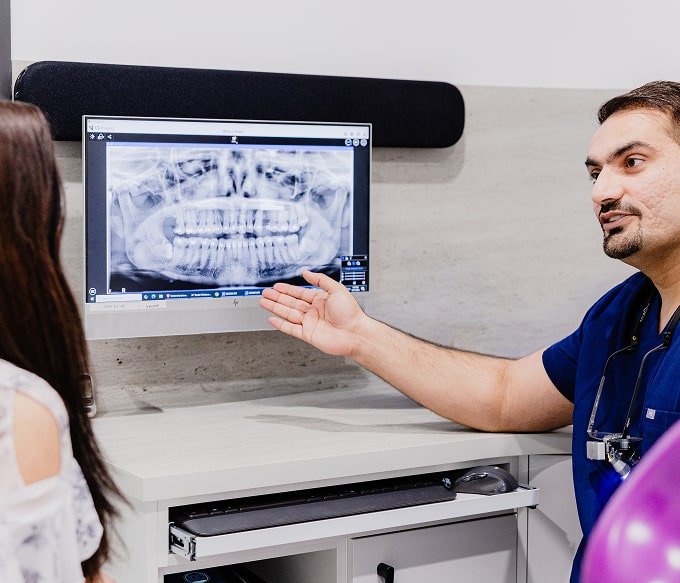
Candidates for cosmetic dental treatments generally have good oral health as a foundation. Issues such as tooth decay or gum disease may need to be addressed before aesthetic procedures can proceed. A consultation helps determine whether your teeth and gums are suitable for treatment.
People with concerns about tooth colour, shape, size, alignment, or spacing may benefit from these services. Age, lifestyle factors, and individual oral health all influence which treatments are appropriate for each person.
Benefits
What Cosmetic Dentistry May Offer
Our services
Cosmetic Dentistry Treatments and Services We Provide at On Point

Dental implants are artificial tooth roots placed into the jawbone to support replacement teeth. They can be an option for people missing one or more teeth.
Implants may help restore chewing function and maintain jawbone structure, but they require a surgical procedure that may not be suitable for everyone.
Dental implants are artificial tooth roots placed into the jawbone to support replacement teeth. They can be an option for people missing one or more teeth.
Implants may help restore chewing function and maintain jawbone structure, but they require a surgical procedure that may not be suitable for everyone.
All-on-4 uses four strategically placed implants to support a full arch of replacement teeth. This approach may suit patients who have lost most or all teeth in one arch.
The procedure requires careful planning and assessment, as it involves surgery. A professional dental consultation is needed to assess candidacy.
All-on-4 uses four strategically placed implants to support a full arch of replacement teeth. This approach may suit patients who have lost most or all teeth in one arch.
The procedure requires careful planning and assessment, as it involves surgery. A professional dental consultation is needed to assess candidacy.

This option may help preserve bone structure in the affected area. Your dentist will assess whether your jawbone can support an implant.
A single-tooth implant replaces one missing tooth without affecting neighbouring teeth. The implant integrates with the jawbone and supports a custom-made crown.
This option may help preserve bone structure in the affected area. Your dentist will assess whether your jawbone can support an implant.
Crowns may be recommended after root canal treatment or for teeth with large fillings. Several materials are available depending on your needs.
Dental crowns are caps placed over damaged or weakened teeth to restore their shape, size, and strength. They can also improve the appearance of the tooth.
Crowns may be recommended after root canal treatment or for teeth with large fillings. Several materials are available depending on your needs.
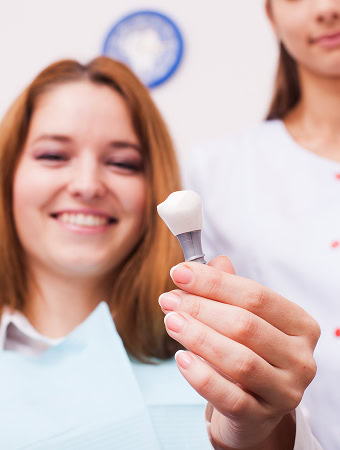
These crowns require careful preparation and custom fabrication. Your dentist will discuss whether porcelain is the most suitable material for your situation.
Bridges require healthy adjacent teeth for support. Your dentist will assess your mouth to determine if a bridge is appropriate.
Dental bridges replace one or more missing teeth by anchoring artificial teeth to neighbouring natural teeth or implants. They can help restore chewing ability and speech.
Bridges require healthy adjacent teeth for support. Your dentist will assess your mouth to determine if a bridge is appropriate.

Veneers require reducing a small amount of tooth enamel. This process is irreversible, so careful consideration is important before proceeding.
Porcelain veneers are thin shells bonded to the front surface of teeth. They can address concerns like discolouration, chips, gaps, or minor misalignment.
Veneers require reducing a small amount of tooth enamel. This process is irreversible, so careful consideration is important before proceeding.
Teeth whitening treatments can help reduce staining and discolouration caused by food, drinks, or ageing. Results vary depending on the original tooth colour and cause of staining.
Professional whitening uses stronger agents than over-the-counter products. Your dentist will assess whether whitening is suitable for you.
Teeth whitening treatments can help reduce staining and discolouration caused by food, drinks, or ageing. Results vary depending on the original tooth colour and cause of staining.
Professional whitening uses stronger agents than over-the-counter products. Your dentist will assess whether whitening is suitable for you.
A detailed treatment plan is developed after thorough examination. Full smile restoration of this nature requires multiple appointments over an extended period.
Full-mouth rehabilitation combines multiple procedures to address extensive dental concerns. This comprehensive approach may include crowns, bridges, implants, and other treatments working together.
A detailed treatment plan is developed after thorough examination. Full smile restoration of this nature requires multiple appointments over an extended period.
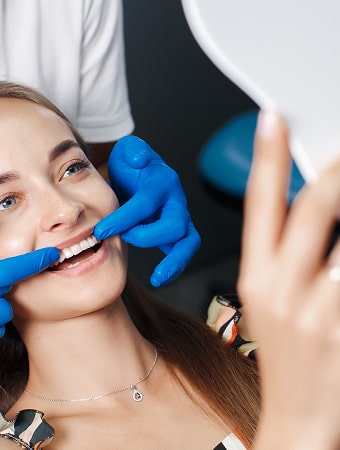
This procedure may involve less tooth preparation than veneers and may be completed in one visit. Bonding may require touch-ups over time as materials wear.
This procedure may involve less tooth preparation than veneers and may be completed in one visit. Bonding may require touch-ups over time as materials wear.
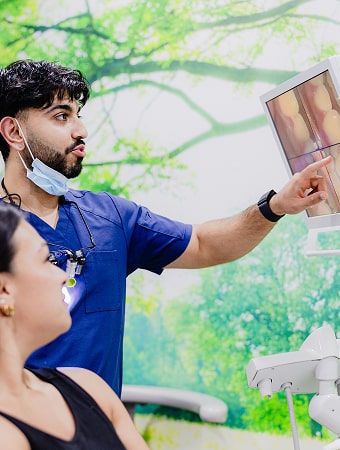
This procedure involves reshaping gum tissue. Your dentist will explain the process, recovery, and risks involved.
Important Information: Any surgical or invasive procedure carries risks. Before proceeding with implants, gum contouring, or other invasive treatments, seek a second opinion from an appropriately qualified health practitioner. Individual results vary, and all dental procedures carry some level of risk. Consult with your dentist to understand what’s appropriate for your situation.
OUR SMILE GALLERY
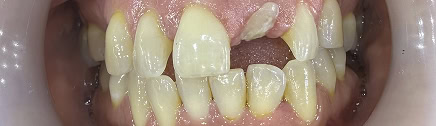
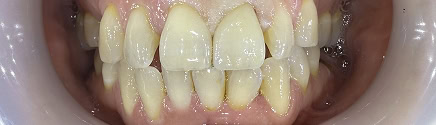
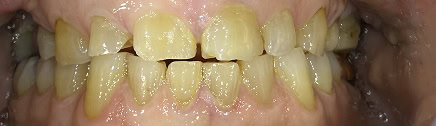
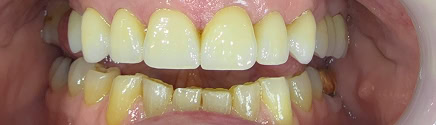
Examples of Our Dental Work
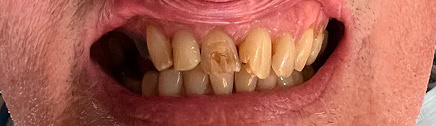
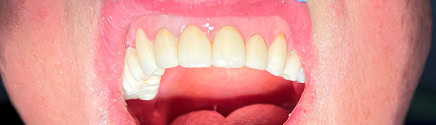
These images show examples of dental treatments completed at our clinic, demonstrating the range of care we provide for our patients.
Disclaimer: Individual results may vary. Images shown are of actual patients with consent.
WHAT MAKES US DIFFERENT
Why Choose
On Point Dental?
Same-Day Emergency Appointments
Dental emergencies don't wait for convenient times. We prioritise urgent dental concerns by offering same-day appointments when you need prompt attention. Our team works to quickly accommodate emergency cases. We also offer FIFO-friendly scheduling options for workers with irregular rosters, so you can access dental care that fits your lifestyle and scheduling needs.
Latest Technology & Techniques
Our clinic uses current diagnostic tools and contemporary dental techniques to support accurate assessments and well-planned treatments. Digital imaging, scanning, and modern restorative methods help guide decision-making and enhance the efficiency of your appointments. These technologies enable our clinicians to monitor your oral health more effectively and provide clear explanations, helping you understand your treatment options with confidence.
All Treatments Done In-House
From routine check-ups and cleanings to complex procedures such as dental implants and veneers, we offer a comprehensive range of dental services at our clinic. This integrated approach means you can receive consistent care from familiar practitioners without needing referrals to multiple locations. Having all your dental treatments completed in-house offers convenience, continuity in your oral health management, and coordinated care across different procedures.
New Patient Special Offer
$299
Dental Package Available for New Patients: Complete Preventive Care Services in One Appointment
*New patients only. Cannot be combined with insurance claims.
See full terms and conditions.
HEALTH FUNDS & PAYMENT OPTIONS
Quality Dental Care that Fits Your Budget


HBF Member Plus Preferred Provider
- Eligible HBF Member Plus members can receive reduced gap payments on many dental services.
- We process your health fund claim on the spot, and you’ll pay only the gap amount.
- Our team can check your cover and provide an estimate of your out-of-pocket costs before treatment begins.
- Being a preferred provider means we meet HBF's quality and service standards, giving you added security in your care.
- HBF Member Plus preferred provider status allows eligible members to access reduced payments. Terms and conditions apply.


NIB First Choice Preferred Provider
- NIB First Choice members may receive higher benefits and lower gap payments when they visit our clinic.
- We submit your claim directly to NIB, making the process straightforward and reducing paperwork for you.
- Our reception team can explain your NIB benefits and help you understand what's included in your cover.
- We're committed to transparent pricing, so you'll know your expected costs before we start any treatment.






Flexible Payment Plans Available
Fund My Dental


YOUR FIRST VISIT
What to Expect When You Visit
On Point Dental
Schedule Your Visit
We Check: Teeth, gums, jaw joints, oral cancer screening, bite alignment, existing dental work
Fill Out Your Patient Forms
What to Bring: Health fund card, Medicare card (if applicable), list of current medications
Detailed Oral Assessment
We Check: Teeth, gums, jaw joints, oral cancer screening, bite alignment, existing dental work
Treatment Plan Discussion
Transparent Pricing: All costs explained upfront, payment plans available, health fund rebates calculated.
Begin Your Dental Care
Ongoing Care: Regular check-ups every 6 months, reminders sent, family appointments coordinated
THE TEAM
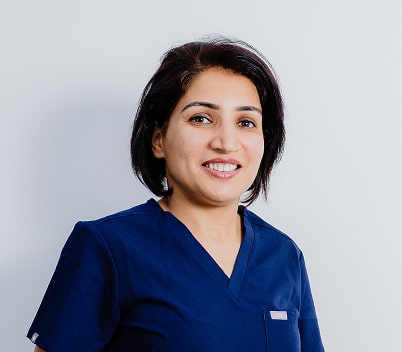
Our Friendly Team - Meet The Faces Behind Your Smile
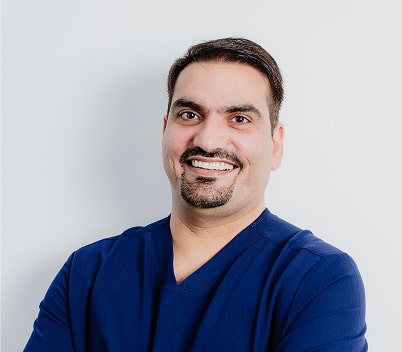
Our dental team brings diverse training and experience to provide quality care, and they’re supported by our skilled dental assistants and administrative team, who help make your visit run smoothly.
Credentials




Credentials

Credentials

Credentials


FAQ
Frequently Asked Questions
What does cosmetic dentistry consist of?
Cosmetic dentistry includes various procedures designed to improve the appearance of teeth, gums, and your overall smile. We offer services that address different aesthetic concerns.
Common cosmetic dental treatments include:
- Porcelain veneers:
These are thin shells bonded to the front surfaces of teeth to address discolouration, chips, or minor gaps. - Teeth whitening:
These professional treatments can reduce staining from food, beverages, or ageing. - Dental crowns:
These caps are placed over damaged teeth to restore shape and improve appearance. - Composite bonding:
This treatment uses tooth-coloured resin to address chips, cracks, or small gaps. - Dental implants:
These artificial tooth roots support replacement teeth at missing tooth sites. - Dental bridges:
These prosthetics replace missing teeth by anchoring to adjacent teeth. - Gum contouring: This procedure involves reshaping gum tissue to create a more balanced smile line.
- Full-mouth rehabilitation:
This comprehensive treatment combines multiple procedures to address extensive concerns.
The right treatment depends on your specific concerns, oral health status, and goals. A consultation helps determine which options may be suitable for you.
How long do cosmetic dental treatments last?
The longevity of cosmetic dental work varies based on several factors. Understanding these can help you make well-considered decisions about treatment.
Factors affecting how long results may last include:
- Type of procedure:
Different treatments have different expected lifespans. Porcelain veneers usually need to be replaced over time. Longevity varies based on individual factors, including oral hygiene, diet, and bite forces. Your dentist will discuss expected timeframes during your consultation. - Oral hygiene habits:
Regular brushing, flossing, and dental check-ups help maintain treatment results. - Diet and lifestyle:
Consuming staining foods and beverages may affect whitening results. Hard or sticky foods may damage restorations. - Grinding or clenching:
Bruxism can wear down veneers, crowns, and bonding more quickly. A night guard may be recommended. - Material quality:
The materials used in your treatment affect durability. Your dentist will discuss options during the consultation. - Individual factors:
Each person’s mouth is different. Bite alignment, saliva composition, and general health all play a role.
Your dentist can provide more specific information based on your chosen treatment and individual circumstances. Regular maintenance appointments help monitor the condition of dental work and support your smile enhancement goals.
Can cosmetic dentistry address gaps?
Yes, several dental aesthetics procedures can address gaps between teeth. The most suitable option depends on gap size, location, and your overall oral health.
Ways gaps may be addressed include:
- Porcelain veneers:
Custom-made shells can be slightly wider than natural teeth to close small to moderate gaps. - Composite bonding:
Resin material may be added to tooth edges to reduce spacing between teeth. - Dental crowns:
For larger gaps or teeth that also need structural support, crowns may be an option. - Dental bridges:
When gaps result from missing teeth, bridges may fill the space with prosthetic teeth. - Dental implants:
For missing teeth causing gaps, implants may provide a foundation for replacement teeth. - Orthodontic treatment:
While not purely cosmetic, aligners or braces can move teeth to close gaps naturally.
During a consultation, your dentist will assess your gaps and discuss which approaches may be appropriate. Some patients combine treatments for the desired outcome.
What should I expect during a cosmetic dentistry consultation?
A cosmetic dentistry consultation involves several steps designed to understand your concerns and assess your suitability for treatment. If you’re considering cosmetic dentistry in Fremantle, here’s what the process involves.
What to expect during your consultation:
- Discussion of concerns:
Your dentist will ask about what you’d like to change about your smile and listen to your goals. - Oral examination:
A thorough check of your teeth, gums, and bite helps identify any underlying issues that may need to be addressed first. - X-rays or imaging:
Diagnostic images may be taken to assess bone structure, tooth roots, and overall oral health. - Treatment options:
Your dentist will explain which procedures may address your concerns, along with alternatives. - Risks and limitations:
You’ll receive information about the risks, expected outcomes, and what each procedure can achieve. - Timeline discussion:
Depending on the treatment, you’ll learn how many appointments may be needed and approximate timeframes. - Cost information:
You’ll receive details about fees, payment options, and any health fund considerations.
This consultation helps you gather the information needed to make a decision. There’s no obligation to proceed with treatment after a consultation.
Why do some dentists advise against cosmetic procedures?
Dentists may advise against certain cosmetic procedures when they’re not suitable for the patient. This recommendation is based on clinical assessment rather than a rejection of cosmetic dentistry itself.
Reasons may include underlying oral health issues requiring attention first. Tooth decay, gum disease, or infections need treatment before aesthetic work can proceed. Addressing these conditions helps provide a stable foundation for any cosmetic treatment.
Sometimes the desired treatment isn’t suitable for a patient’s specific situation. For example, teeth whitening may not be effective for certain types of discolouration, or veneers may not be appropriate for patients who grind their teeth heavily. A dentist’s role is to provide honest advice about which treatments can realistically achieve results.
Can anyone get cosmetic dental treatment?
Not everyone is a suitable candidate for every cosmetic dental procedure. Several factors influence whether a particular treatment is appropriate for you.
General considerations for candidacy include:
- Oral health status:
Healthy teeth and gums provide a better foundation for cosmetic work. Existing conditions may need treatment first. - Bone density:
For implants, adequate jawbone is necessary to support the implant post. - Age:
Some procedures aren’t recommended until teeth and jaws have fully developed. - Medical conditions:
Certain health conditions may affect healing or treatment outcomes. Your dentist needs your full medical history. - Medications:
Some medications affect oral health or healing. Disclose all medications during consultation. - Lifestyle factors:
Smoking can affect healing and treatment longevity. Your dentist may discuss this with you. - Realistic expectations:
Understanding what procedures can and cannot achieve is important for satisfaction with results.
Your dentist will assess these factors during consultation and advise whether you’re a suitable candidate for your desired treatment.
How do I choose the right cosmetic dentistry treatment?
Selecting the appropriate cosmetic dental treatment involves careful consideration of several factors. Here’s a process that may help guide your decision.
Steps to help you choose:
- Identify your concerns:
Be clear about what you want to address—whether it’s colour, shape, alignment, gaps, or missing teeth. - Research your options:
Learn about different treatments that may address your concerns. This page provides a starting point. - Book a consultation:
A professional assessment is essential. Your dentist can explain which options suit your specific situation. - Ask questions:
During consultation, ask about risks, recovery time, expected longevity, and what results you can realistically expect. - Consider your lifestyle:
Some treatments require more maintenance than others. Factor this into your decision. - Review costs:
Understand the full cost of treatment, including any follow-up appointments or future maintenance. - Take your time:
There’s no need to rush your decision. Consider the information and choose what you’re comfortable with.
Your dentist is there to guide you, but the final decision is yours. Choosing cosmetic dentistry in Fremantle means receiving thorough information to support your choice.
Can multiple cosmetic dental procedures be done at once?
In some cases, multiple cosmetic procedures can be performed during the same treatment period. However, this depends on the specific treatments involved and your individual circumstances.
Combining procedures may be possible when treatments complement each other. For example, teeth whitening might be done before veneers are placed to improve colour matching. Or gum contouring might accompany veneer placement for a coordinated result.
However, some procedures require healing time between stages. Dental implant placement, for instance, requires months of healing before the final crown is attached. Your dentist will develop a treatment plan that sequences procedures appropriately for your needs and oral health.
Are there payment plans available for cosmetic dentistry?
We understand that cosmetic dental treatments represent a financial consideration for many patients. We offer several payment options to help make treatment more accessible.
Payment plans allow you to spread the cost of treatment over time rather than paying the full amount upfront. During your consultation, our team can discuss the available payment options and explain the terms and conditions that apply.
We recommend discussing costs early in the consultation process. This helps you plan accordingly and supports thoughtful decision-making about treatment timing and options.
Do private health funds cover cosmetic dentistry?
Health fund benefits for cosmetic dental procedures vary significantly between policies and providers. Understanding your entitlements before treatment helps avoid unexpected costs.
Factors affecting health fund benefits include:
- Policy type:
Different levels of cover include different dental services. Check your specific policy details. - Procedure classification:
Some procedures may be classified differently by health funds. A crown for structural reasons may be covered differently from one for purely aesthetic purposes. - Waiting periods:
Many policies have waiting periods for major dental work. Confirm you’ve served any applicable waiting periods. - Annual limits:
Most policies cap the amount you can claim per year. High-cost treatments may exceed these limits. - Preferred providers:
Some funds offer higher rebates at member dentists. Check whether we participate in your fund’s network.
We recommend contacting your health fund directly to confirm what’s included under your policy. Our team can provide item numbers and treatment codes to assist with your enquiry.
Can cosmetic dentistry damage your natural teeth?
Some cosmetic procedures involve modifying natural tooth structure, which is an important consideration. Procedures like porcelain veneers require reducing enamel from tooth surfaces. This is an irreversible process, and the tooth will always need some form of covering going forward. Any surgical or invasive procedure carries risks. Before proceeding, you should seek opinion from an appropriately qualified health practitioner.
However, other procedures are less invasive. Composite bonding adds material to teeth without significant enamel reduction. Teeth whitening doesn’t alter tooth structure. Your dentist will explain what each procedure involves and any irreversible changes before you consent to treatment.
What are the limitations of cosmetic dentistry?
While cosmetic dental procedures can improve dental appearance, they have limitations that patients should understand. Being aware of these helps set realistic expectations.
Key limitations include:
- Cannot replace orthodontic treatment:
Veneers and bonding can mask minor alignment issues, but significant bite problems require orthodontic intervention. - Results vary:
Outcomes depend on your starting point, oral health, and other individual factors. Results vary between individuals. - Maintenance requirements:
Most cosmetic work requires ongoing care and may need to be replaced or restored over time. - Not suitable for everyone:
Health conditions, oral health status, and lifestyle factors may make certain treatments unsuitable. - Colour matching limitations:
Restorations cannot be whitened after placement. Future whitening of natural teeth may create colour mismatches. - Structural limitations:
Cosmetic treatments address appearance but may not restore full function to damaged teeth. - Potential complications:
All dental procedures carry some risk, including sensitivity, discomfort, or the need for further treatment.
Your dentist will discuss relevant limitations during your consultation. Understanding both the potential benefits and limitations helps set realistic expectations. The right smile enhancement approach depends on your individual needs and circumstances.
